
Bankim Chandra Chatterjee: The Literary Genius Behind 'Vande Mataram' and Its 150-Year Legacy
- Date & Time:
- |
- Views: 68
- |
- From: India News Bull
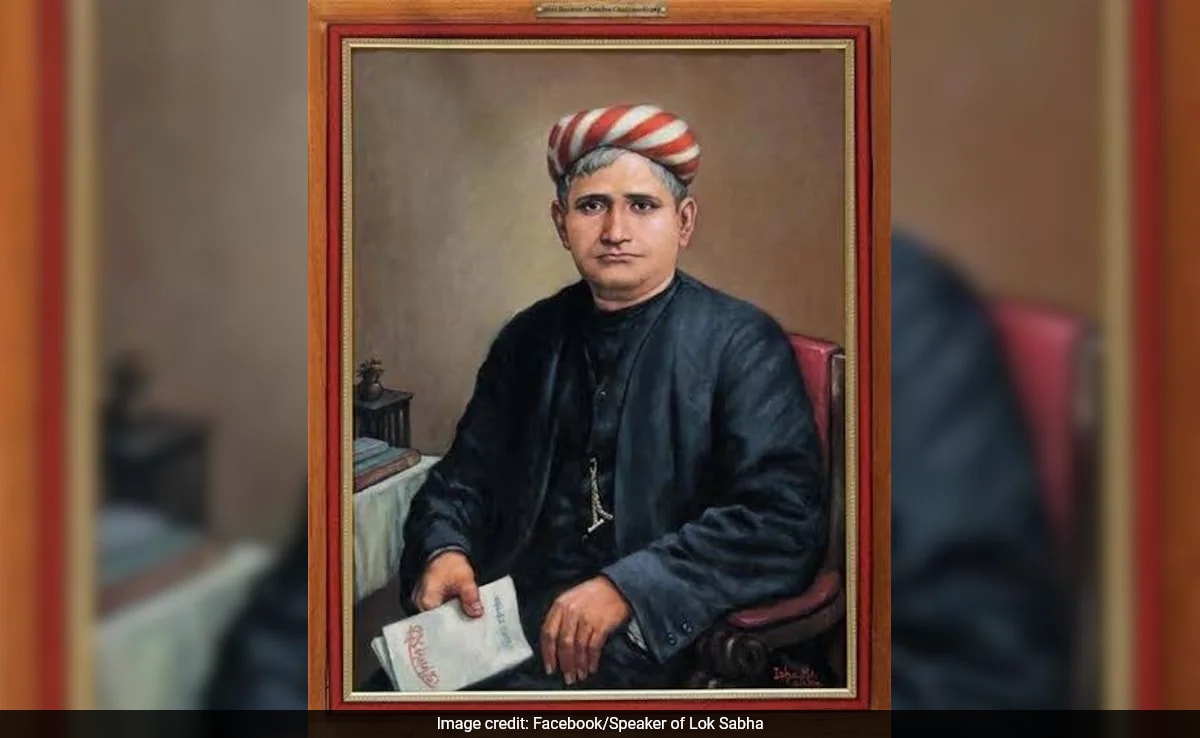
Today marks the 150th anniversary of India's national song "Vande Mataram." This iconic composition, written by Bankim Chandra Chatterjee in 1875, evolved into a powerful emblem of India's independence movement and national identity.
Crafted in Sanskrit and Bengali, "Vande Mataram" - which means "I bow to thee, Mother" - first appeared in Chatterjee's 1882 novel "Anandamath." Throughout the freedom struggle, the song became a staple at political gatherings and demonstrations.
Bankim Chandra Chatterjee didn't merely compose lyrics - he articulated a vision for India's future. He envisioned a nation awakened by devotion, motivated by purpose, and unified by pride. This vision continues to resonate today, 150 years after the song's creation.
In 1937, the Congress formally adopted the first two verses of "Vande Mataram" as the national song of India.
Born in June 1838 near Naihati in Bengal, Bankim Chandra Chatterjee established himself as a distinguished novelist, poet, and journalist. He pursued his education at Hooghly Mohsin College and Presidency College, Kolkata, before graduating from Calcutta University in 1858. Notably, he was one of only two individuals to become the university's inaugural graduates.
Following his academic achievements, Chatterjee joined the British Indian Civil Service. He served as Deputy Magistrate and Deputy Collector before becoming the first Sub-divisional Magistrate of Arambag. He further enhanced his credentials with a law degree in 1869 and continued in government service until his retirement in 1891.
The ruins of Gar Mandaran Fort inspired Chatterjee to write his first novel, "Durgeshnandini." Published in 1865, this work is recognized as the first modern Bengali romance novel and established his literary reputation. Revered as "Sahitya Samrat" (Literary Emperor) in Bengali literature, he authored fourteen novels alongside numerous serious, serio-comic, satirical, scientific, and critical treatises in Bengali.
His novel "Anandamath," published in 1882, introduced "Vande Mataram," which was later set to music by Rabindranath Tagore. The song gained significant momentum during the Swadeshi movement, sparked by the partition of Bengal, after first appearing in Chatterjee's magazine "Bangadarshan."
In recognition of his contributions, Chatterjee received the title of Rai Bahadur in 1891, an honor bestowed upon distinguished officials. Later, in 1894, he was designated a Companion of the Most Eminent Order of the Indian Empire (CMEOIE), a prestigious award acknowledging exceptional service to the nation.
Source: https://www.ndtv.com/india-news/bankim-chandra-chatterjee-the-man-who-wrote-iconic-vande-mataram-9591198