
150 Years of Vande Mataram: When Rabindranath Tagore First Sang India's National Song in 1896
- Date & Time:
- |
- Views: 98
- |
- From: India News Bull
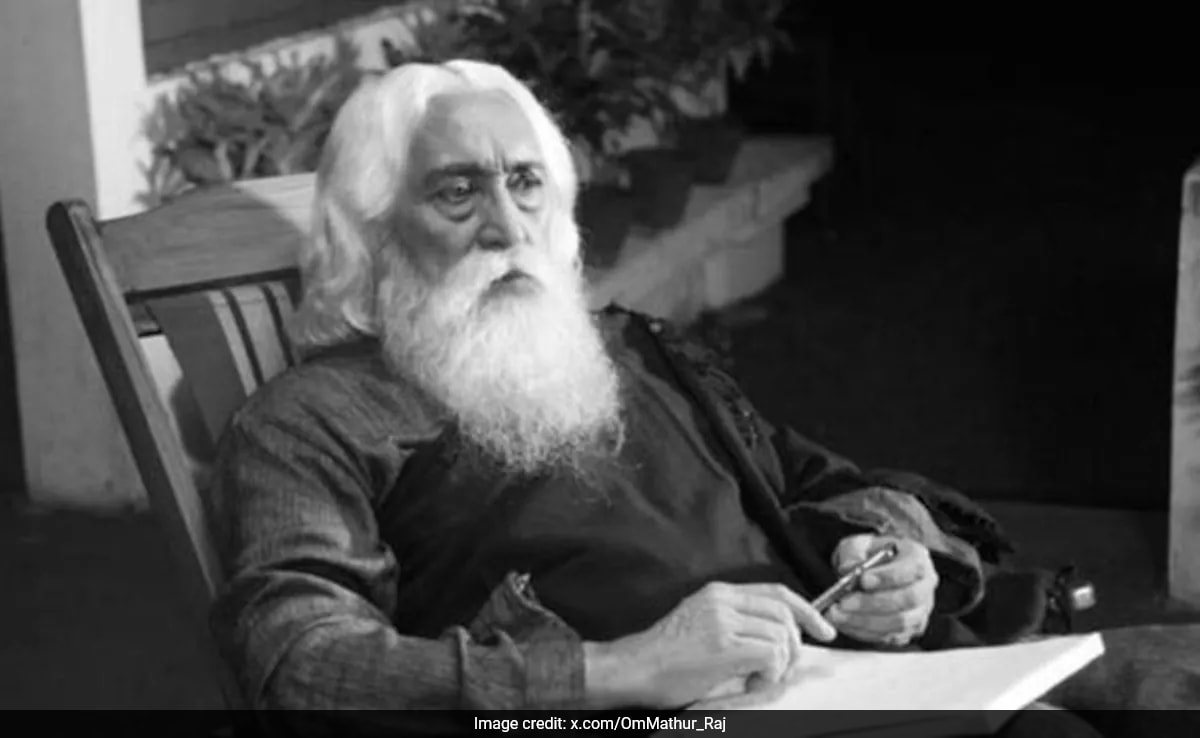
The year 2025 commemorates the 150th anniversary of India's National Song, Vande Mataram. It was a century and a half ago that Rabindranath Tagore first recited this powerful anthem, which later became India's official national song. In 1896, during the annual convention of the Indian National Congress in Calcutta (now Kolkata), Tagore's rendition of Vande Mataram became a defining moment that would inspire generations of freedom fighters.
The song was later performed at the proclamation ceremony of the provisional Government of Azad Hind, further cementing its significance in India's independence movement.
As 2025 marks the 150th anniversary of this revered National Song, it's important to note its translation: "Mother, I Bow to Thee." This hymn has endured as a profound expression of devotion to the motherland, influencing numerous nation builders across generations and standing as a powerful symbol of India's collective national spirit.
Penned by Bankim Chandra Chatterjee, Vande Mataram first appeared in the literary publication Bangadarshan on November 7, 1875. Chatterjee subsequently integrated the song into his 1882 novel Anandamath.
Rabindranath Tagore set the piece to music, and his historic 1896 rendition marked the beginning of the song's deep association with India's national movements. Since that pivotal performance, Vande Mataram has remained deeply embedded in India's civilizational, political, and cultural consciousness.
In October 1905, the Bande Mataram Sampradaya was established in North Calcutta, promoting the concept of the motherland as both a mission and a form of spiritual commitment. Members conducted Prabhat Pheris every Sunday, walking through neighborhoods while singing Vande Mataram and gathering voluntary contributions to support the motherland. Tagore himself occasionally participated in these processions.
The song's influence grew significantly in 1907 when Madam Bhikaji Cama unfurled the Indian tricolor in Stuttgart, Berlin—the first such display outside India. The phrase "Vande Mataram" was prominently inscribed on this flag. As the song and its powerful message gained momentum, British colonial authorities became increasingly alarmed and implemented strict measures to suppress its spread.
During the Swadeshi and anti-partition movements, Vande Mataram emerged as a defining expression of resistance against colonial rule. It quickly transformed into a national rallying cry. British attempts to prohibit its singing only intensified its power and meaning, turning it into a unifying force that brought together Indians across divisions of caste, creed, and language.
Leaders, students, and revolutionaries consistently drew strength from its lyrics, often reciting it during political gatherings, demonstrations, and even before being imprisoned by colonial authorities. The song transcended its role as a mere slogan to become a symbol of India's struggle for independence.
Now, 150 years later, Tagore's historic performance of Vande Mataram before the Congress in 1896 remains a defining chapter in India's journey to freedom and national identity.
Source: https://www.ndtv.com/india-news/when-rabindranath-tagore-sang-vande-mataram-at-1896-calcutta-congress-session-9591077