
The Legendary Stand: How Rifleman Jaswant Singh Rawat Single-Handedly Fought 300 Chinese Soldiers in the 1962 War
- Date & Time:
- |
- Views: 52
- |
- From: India News Bull
When the Chinese People's Liberation Army (PLA) launched their offensive against India in October 1962, numerous Indian soldiers demonstrated extraordinary courage in defending their homeland. Among these heroes, some displayed exceptional bravery that transcended normal expectations of duty.
Subedar Joginder Singh exemplified this valor when the PLA attacked through the Bum La Pass. The ensuing battle, named after this location, saw Chinese forces encountering fierce resistance from several courageous Indian soldiers who would later become legendary figures in military history.
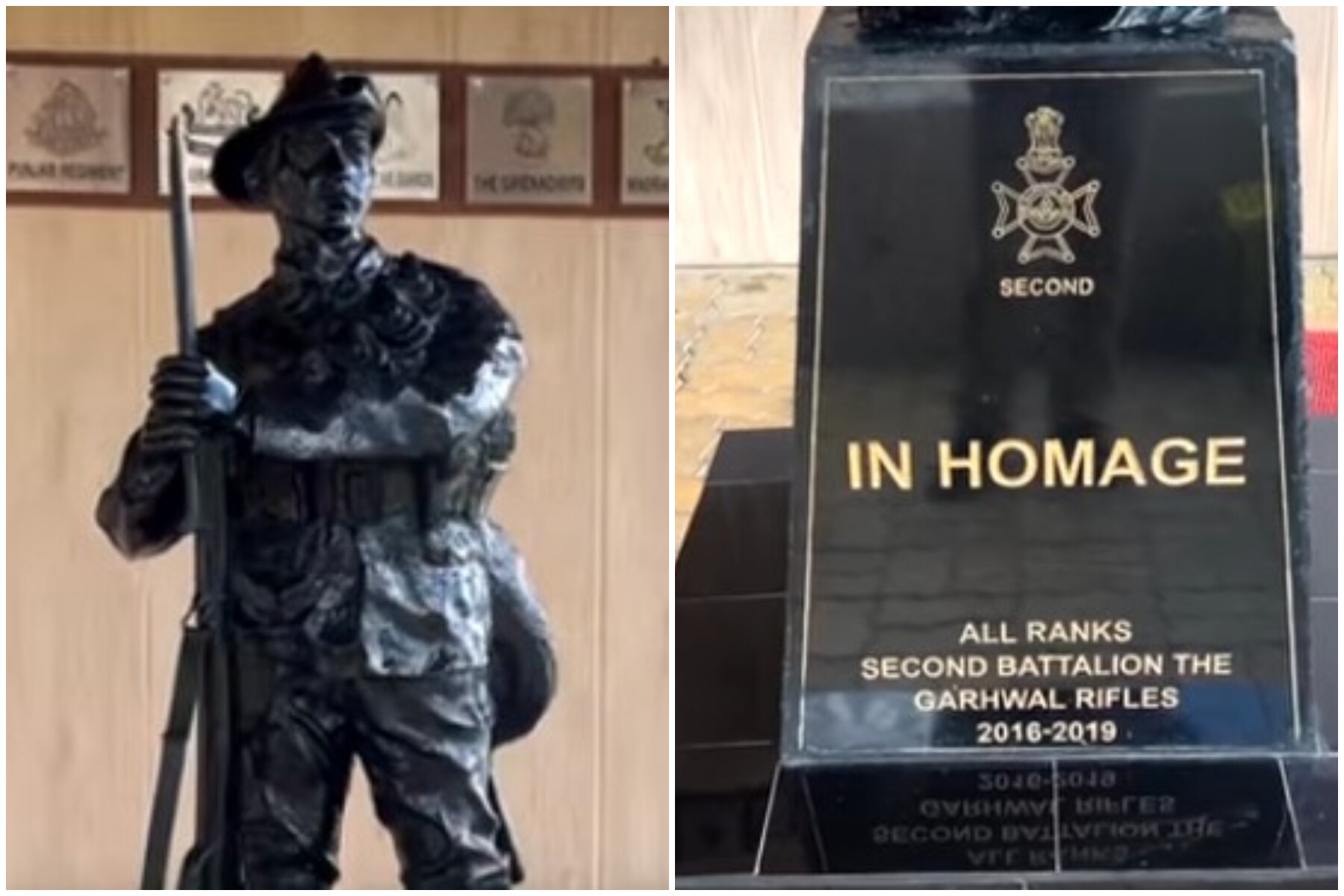
During a visit to the Jaswantgarh War Memorial in Arunachal Pradesh's Tawang district, NDTV discovered an inspiring story of heroism. This memorial stands as a tribute to Rifleman Jaswant Singh Rawat of the 4 Garhwal Rifles, who at merely 21 years of age, created the illusion of an entire Indian contingent while fighting alone against Chinese forces.
According to the memorial plaque, Rawat single-handedly engaged enemy forces for an incredible 72 hours, inflicting substantial casualties before making the ultimate sacrifice. His extraordinary courage earned him the prestigious Maha Vir Chakra posthumously.
The Ministry of Defence records that in November 1962, Rawat volunteered alongside Lance Naik Trilok Singh Negi and Rifleman Gopal Singh Gusain to neutralize a Chinese Medium Machine Gun. Navigating through intense enemy fire, they advanced using natural cover until they reached within 10-15 yards of their target. While Negi provided covering fire with his Sten gun, Rawat and Gusain successfully destroyed the machine gun position with grenades and captured the weapon.
In the subsequent conflict, Rawat steadfastly refused to abandon his position. He displayed remarkable tactical ingenuity by moving between different bunkers, creating the impression of a full battalion of Indian soldiers. His efforts were supported by two local Monpa women, Sela and Nura, who provided him with food, ammunition, and assistance in loading weapons at various positions to maintain this strategic deception.
By the conclusion of his heroic stand, Rawat had eliminated approximately 300 Chinese soldiers and delayed their advance by nearly 72 hours before falling in battle.
Today, he is reverentially remembered as Baba Jaswant Singh Rawat. His personal possessions are preserved at Jaswantgarh as treasured mementos.
The nearby Sela Pass was named in honor of Sela, while the Nurarang falls (Jang Falls) commemorates Nura, recognizing their sacrifices alongside Rawat. These locations are situated near Jaswantgarh, which features a camouflaged temple-like structure honoring the extraordinary bravery of Rifleman Jaswant Singh Rawat.
Source: https://www.ndtv.com/india-news/when-a-rifleman-fought-china-for-3-days-killed-300-soldiers-in-1962-war-india-9544072