
Delhi Airport's Terminal 2 Reopens: Advanced Technology and Airline Realignment Transform Passenger Experience
- Date & Time:
- |
- Views: 66
- |
- From: India News Bull
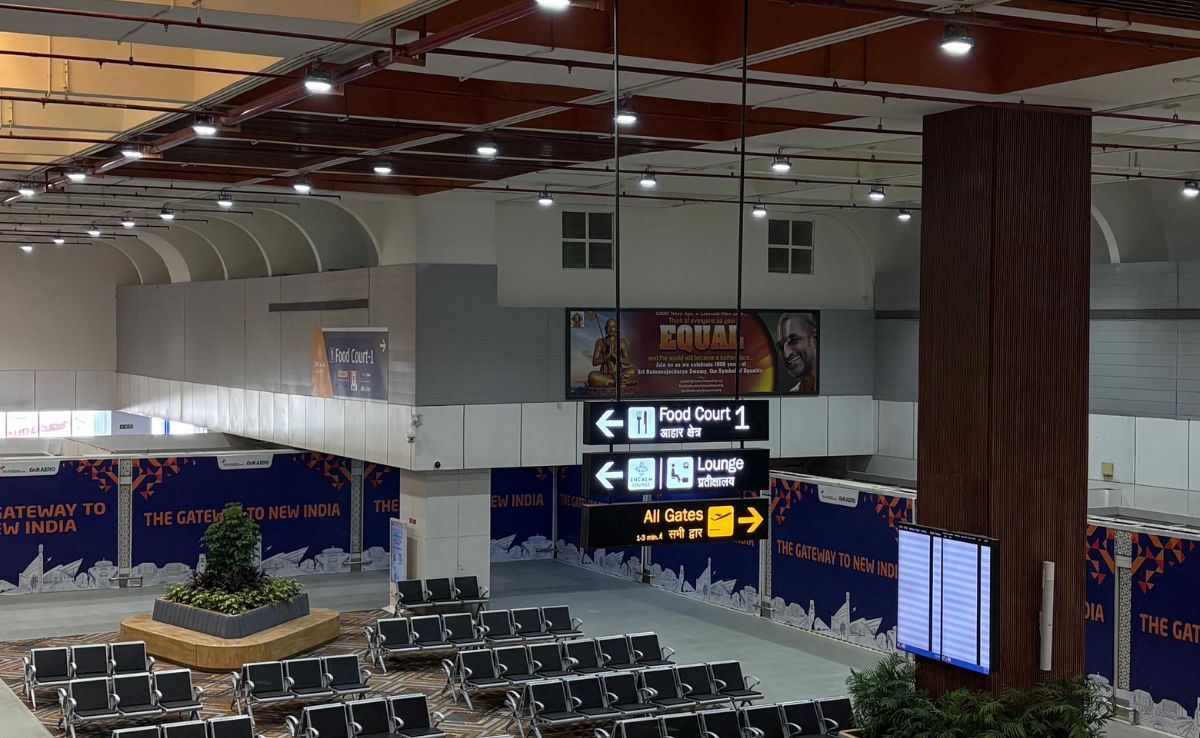
Delhi's Indira Gandhi International Airport (IGIA) is reopening its enhanced Terminal 2 (T2) on Sunday, coinciding with the winter schedule implementation. The modernized facility was officially inaugurated by Civil Aviation Minister K Rammohan Naidu, accompanied by high-ranking officials from the ministry of civil aviation, Airports Authority of India (AAI), Central Industrial Security Force (CISF), and Delhi International Airport Limited (DIAL).
The extensively renovated terminal is designed to enhance the passenger journey through improved efficiency, technological innovations, and balanced flight distribution across all terminals at the airport.
Among the notable innovations is the introduction of Self-Baggage Drop (SBD) technology, allowing passengers to independently check in their luggage, thereby reducing queue times. Six newly installed Passenger Boarding Bridges (PBBs) have been added to facilitate quicker and safer aircraft boarding processes. The terminal now features Virtual Information Desks, enhanced directional signage, and improved facilities for travelers with reduced mobility, creating a more inclusive airport environment.
Additional improvements include redesigned ceilings with skylights for enhanced natural illumination, upgraded HVAC systems delivering better air quality, and contemporary fire safety infrastructure. The reconfigured apron and airside zones will enhance aircraft movement efficiency, while an advanced high-resolution Flight Information Display System (FIDS) will provide real-time flight updates to passengers.
The reopening brings significant changes to airline operations. IndiGo will now operate across all three terminals—using Terminal 1 for existing domestic services, Terminal 2 for flights numbered 6E 2000-6E 2999, and Terminal 3 for domestic flights 6E 5000-6E 5999 and all international departures.
Air India is transferring approximately 60 domestic flights from Terminal 3 to Terminal 2, while Air India Express will relocate all domestic operations to Terminal 1. SpiceJet and Akasa Air will maintain their presence at Terminal 1.
The upgraded Terminal 2 will accommodate around 120 daily domestic flights operated by IndiGo and Air India, enhancing connectivity and passenger convenience.
During the inauguration ceremony, Minister Naidu emphasized that Indian airports are rapidly developing into world-class transportation hubs. He described the renovated T2 as "a reimagined and revitalized version" of the 40-year-old terminal, specifically designed to address contemporary travel requirements.
DIAL Chief Executive Officer Videh Kumar Jaipuriar highlighted that the refurbished T2 represents a significant achievement in the airport's transformation journey. "Designed as a future-ready, passenger-friendly terminal, T2 integrates modern technology, smart infrastructure, and improved accessibility to deliver a seamless travel experience," he stated.
Delhi Airport continues to serve as a critical transportation hub, managing nearly half of northern India's total passenger volume and facilitating approximately 50,000 daily passenger transfers.
Source: https://www.ndtv.com/india-news/delhi-airport-delhi-airport-terminal-2-self-baggage-drop-virtual-info-desks-a-look-at-delhi-airports-upgraded-t2-9514563