
India Achieves 4,946 MW Rooftop Solar Capacity Through PM Surya Ghar Yojana: Progress and Challenges
- Date & Time:
- |
- Views: 49
- |
- From: India News Bull
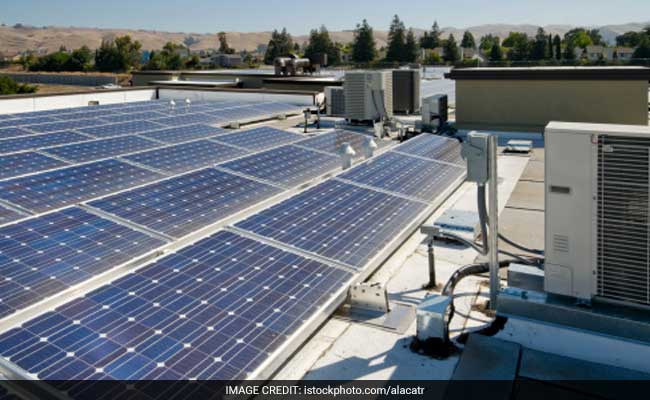
PM Surya Ghar Yojana (PMSGY) has triggered a significant boost in rooftop solar installations, reaching 4,946 MW capacity by July 2025.
As global leaders prepare to gather at COP 30 in Brazil next month to discuss implementing the $1.3 trillion annual climate finance goal by 2035 amid rising global emissions, India's rooftop solar initiative is making remarkable progress.
Imagine your neighbor's rooftop solar panels reducing their electricity expenses while contributing to India's renewable energy transition. The Pradhan Mantri Surya Ghar Yojana (PMSGY) has catalyzed a rooftop solar revolution, achieving 4,946 MW by July 2025, with INR 9,280 crore (US$1.05 billion) allocated in subsidies, according to recent findings from IEEFA and JMK Research & Analytics.
However, with only 13.1% of its target of 1 crore households achieved, low conversion rates and supply chain challenges threaten the ambitious 30 GW goal set for FY2027.
Launched just over a year ago, PMSGY has democratized solar power access for households that were previously unable to participate due to high installation costs and limited awareness. With 57.9 lakh applications submitted, public interest is evident, yet only 22.7% of these applications have resulted in completed installations. "PMSGY has established a strong foundation, but limited consumer awareness and restricted financing access remain significant challenges," notes Prabhakar Sharma, senior consultant at JMK Research.
Rural households particularly hesitate due to perceived financial burdens and maintenance concerns, while fragmented supply chains for solar panels and inverters, coupled with technical issues in grievance resolution systems, impede progress.
Gujarat leads implementation with 1,491 MW capacity and a 65% conversion rate, benefiting from its robust solar ecosystem. Kerala, Maharashtra, Uttar Pradesh, and Rajasthan follow, collectively representing 77.2% of installed capacity. States like Assam and Delhi are enhancing adoption through additional subsidies. To address remaining gaps, the report recommends plug-and-play solar kits, digital Domestic Content Requirements for local materials, and training programs for three lakh workers to strengthen the solar workforce.
"Implementing a district-level escalation matrix and state-level facilitation cells could streamline installation processes," suggests Aman Gupta, research associate at JMK Research. Vibhuti Garg from IEEFA emphasizes the necessity for clear, time-bound state targets.
Source: https://www.ndtv.com/india-news/rooftop-solar-capacity-reaches-4-946-mw-under-pm-surya-ghar-yojana-9457154