
Delhi Activates First Anti-Pollution Measures of the Season as Air Quality Deteriorates to 'Poor' Category
- Date & Time:
- |
- Views: 43
- |
- From: India News Bull
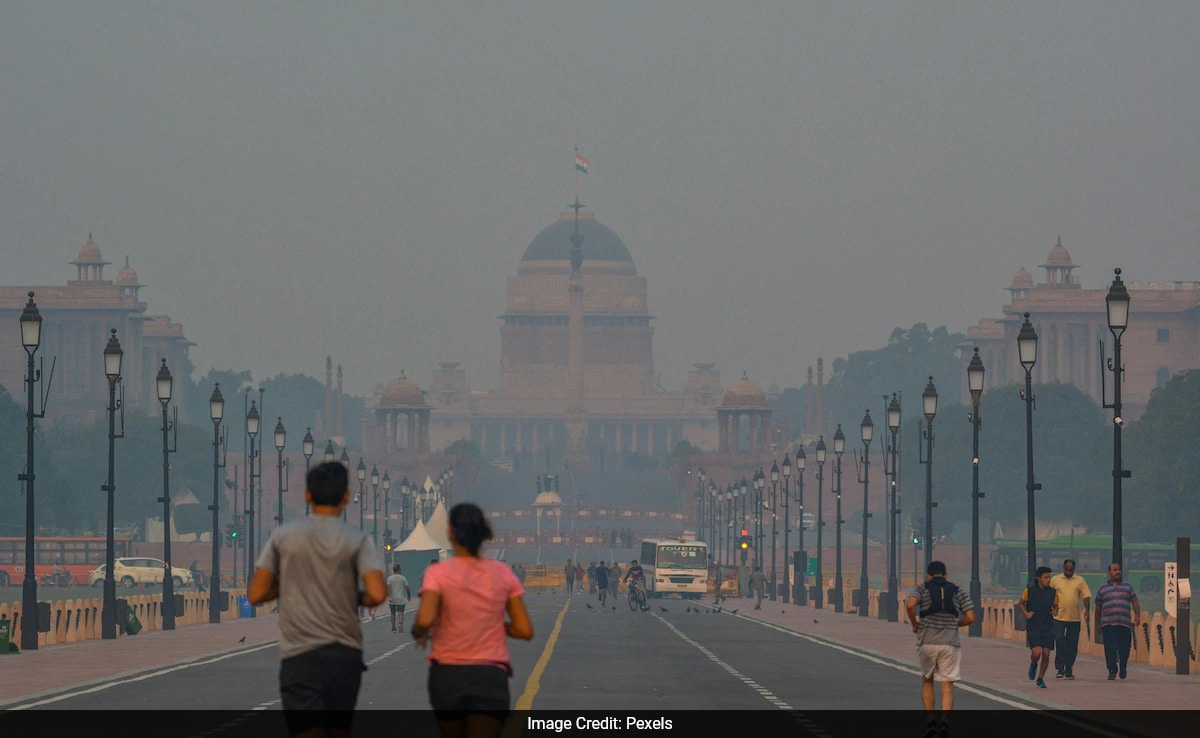
Delhi's air quality has remained comparatively clean during September, however, it typically deteriorates significantly following the Diwali festival celebrations.
New Delhi authorities have taken action as pollution levels rise in the capital. The Commission for Air Quality Management (CAQM), the central government's anti-pollution authority, has implemented restrictions under GRAP-1 throughout Delhi and the National Capital Region (NCR).
This decision was announced on Tuesday after Delhi recorded an Air Quality Index of 211, placing it in the 'Poor' category. The GRAP Sub-Committee conducted a review meeting where they analyzed real-time data from the Central Pollution Control Board (CPCB) alongside forecasts provided by the India Meteorological Department (IMD) and the Indian Institute of Tropical Meteorology (IITM).
The committee stated in its order, "The AQI has reached the 'Poor' threshold, and projections suggest these levels will persist in the coming days due to stagnant weather conditions." This represents the initial formal activation of GRAP measures for the current season.
Under Stage-I protocols (for 'Poor' Air Quality, AQI 201-300), various enforcement actions must be implemented by district administrations, pollution control boards, and municipal authorities across Delhi and NCR districts in Uttar Pradesh, Haryana, Rajasthan, and Punjab.
Key measures include strict restrictions on labor-intensive construction activities without proper dust mitigation strategies and mandatory water sprinkling at all construction sites. Industrial and vehicular regulations have been intensified with increased inspections of polluting industries and enhanced compliance requirements for CNG public transportation.
Waste management protocols now prohibit all garbage-burning activities and strengthen bio-medical waste handling procedures. For road and power sectors, black carbon emission audits will be conducted on heavy vehicles, while power plants within 10 kilometers of Delhi must transition to 100% piped natural gas usage.
The directive emphasizes thorough monitoring, instructing all agencies to "intensify measures" and maintain "strict vigilance" to prevent air quality from deteriorating to 'Very Poor' or 'Severe' categories. Citizens are encouraged to follow the GRAP Stage-I Citizen Charter, which includes voluntary actions like utilizing public transportation, avoiding outdoor activities during peak pollution periods (evenings), and reporting violations through CAQM's helpline (1800-180-1708).
Environmental specialists have welcomed this intervention but cautioned that more fundamental structural reforms are necessary. Dr. Anumita Roychowdhury, Executive Director of the Centre for Science and Environment (CSE), commented, "GRAP is a temporary solution; without addressing stubble burning and interstate coordination comprehensively, we're merely delaying the inevitable smog cover."
Data from IITM's high-resolution forecasting system, which boasts over 80% accuracy in predicting 'Very Poor' episodes, highlights that calm winds and clear skies forecasted for the upcoming week could trap pollutants, potentially raising the AQI above 250 by month-end. While September has been relatively clean this year, historical patterns demonstrate that Delhi's air quality significantly worsens after Diwali celebrations.
During the previous winter season, the region experienced more than 50 days of 'Severe' air quality, resulting in billions in healthcare costs and economic losses.
Source: https://www.ndtv.com/india-news/air-quality-worsens-anti-pollution-curbs-under-grap-1-imposed-in-delhi-9454213