
Madras High Court Rules on Thiruparankundram Hill Dispute: Name Upheld and Religious Practices Regulated
- Date & Time:
- |
- Views: 47
- |
- From: India News Bull
Chennai:
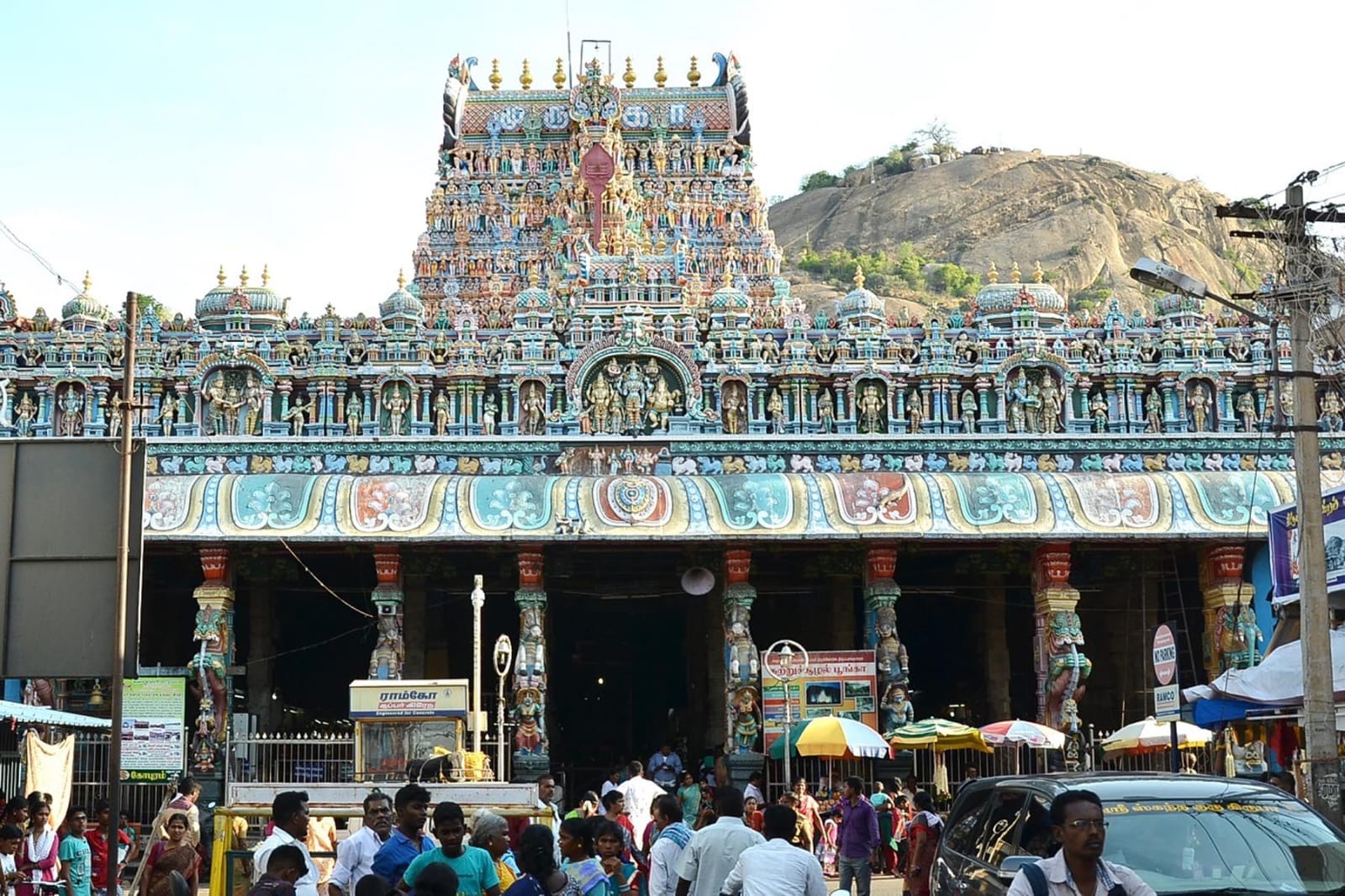
The Madurai Bench of the Madras High Court has issued its third-judge ruling on the Thiruparankundram Hillock controversy, resolving the split verdict delivered earlier this year in June. Justice GR Vijayakumar, appointed as the third judge to settle the matter, primarily agreed with Justice S Srimathy's views, confirming that the hillock's name shall continue to be Thiruparankundram Hill rather than Sikkandar Malai.
This judgment addresses three disputed issues - the hillock's official name, animal sacrifice practices at the Sikkandar Badusha Dargah, and Muslim prayer rights in the Nellithoppu area.
Regarding the naming controversy, Justice Vijayakumar highlighted that both revenue and archaeological records, including gazette notifications from 1908 and 1923 under the Ancient Monuments Preservation Act, identify the area as Thiruparankundram Rock. These notifications designated 172.2 acres of the hill as protected monuments under the Archaeological Survey of India. Citing these historical documents and a 1920 civil court decree, the judge determined that referring to the hill as Sikkandar Malai was "mischievous" and constituted an attempt to alter its historical designation.
The court also recognized that Arulmigu Subramaniaswamy Temple at the foothills owns the entire Thiruparankundram Hill, with only two exceptions - the Sikkandar Badhusha Avuliya Dargah at the southern peak and the Nellithoppu area midway up the hill. Previous civil court decrees had acknowledged these areas as belonging to the Muslim community. Together, these two areas comprise only a small portion of the 172-acre hill, with Nellithoppu measuring approximately 33 cents.
On the matter of animal sacrifice, Justice Vijayakumar prohibited the practice on the hillock, noting the absence of documentary evidence establishing animal sacrifice as a longstanding or essential religious practice at the Dargah. The court ruled that if the dargah administration claims animal sacrifice as a religious custom, they must prove this before a competent civil court. Until such a determination is made, animal sacrifice, cooking, or serving non-vegetarian food will not be permitted anywhere on the hill.
Regarding prayer rights, the court allowed Muslims to offer prayers in the Nellithoppu area, but only during Ramzan and Bakrid, subject to strict conditions. While acknowledging that the 33-cent Nellithoppu area belongs to the Muslim community, the court clarified that the traditional footsteps leading to it are temple property. These steps, which also lead to the Kasi Vishwanathar Temple atop the hill, must remain unobstructed and undefiled.
The order explicitly prohibited cooking, animal sacrifice, or carrying non-vegetarian food at Nellithoppu until the civil court determines the rights of all parties involved. The judge noted, "There are no permanent structures in Nellithoppu, and any large gatherings could disrupt access to temple devotees," directing officials to maintain peace and ensure compliance with the court's instructions.
Source: https://www.ndtv.com/india-news/thiruparankundram-hillock-case-madras-high-court-upholds-original-name-restricts-sacrificial-practices-9435767