
Dangerous Diethylene Glycol Contamination Found in 'Coldrif' Cough Syrup: Health Ministry Confirms Safety Risk
- Date & Time:
- |
- Views: 54
- |
- From: India News Bull
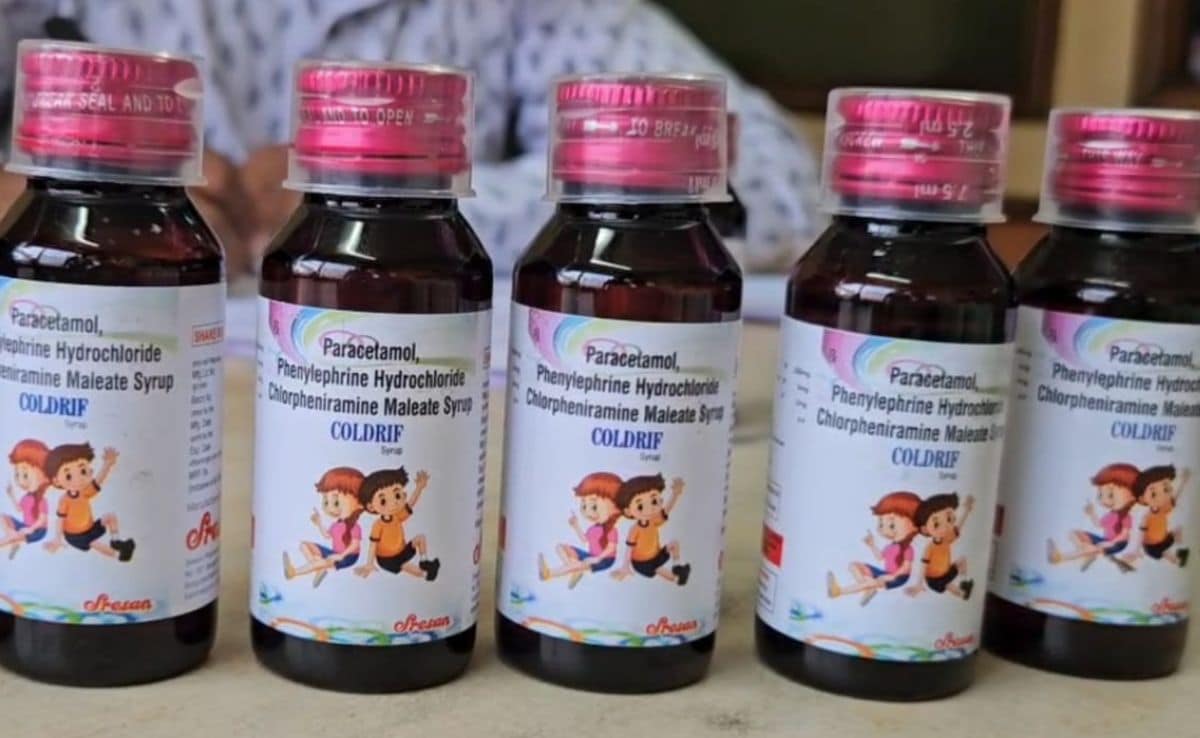
DEG and EG metabolize into toxic compounds when consumed by humans.
New Delhi:
The Health Ministry has confirmed that while cough syrup samples from Madhya Pradesh tested negative for contamination, a batch of 'Coldrif' cough syrup manufactured in Tamil Nadu contained diethylene glycol (DEG) exceeding permissible limits.
According to official reports, the Central Drugs Standard Control Organisation (CDSCO) collected six samples from Chhindwara in Madhya Pradesh - all testing negative for DEG and ethylene glycol (EG). The state drug regulator's testing of three out of 13 samples also showed no contamination. However, when Tamil Nadu FDA collected 'Coldrif' samples directly from Sresan Pharma's manufacturing facility in Kanchipuram at the Madhya Pradesh government's request, results released on October 3 confirmed DEG contamination beyond safety thresholds.
Both Madhya Pradesh and Tamil Nadu have implemented bans on the cough syrup. The Centre has now mandated risk-based inspections at 19 drug manufacturing facilities across six states to identify quality control deficiencies. A multidisciplinary investigation team comprising experts from NIV, ICMR, NEERI, CDSCO, and AIIMS Nagpur continues to investigate the causes behind child deaths reported in and around Chhindwara.
Diethylene Glycol (DEG) and Ethylene Glycol (EG) are industrial solvents primarily used in antifreeze, paints, brake fluids, and plastics manufacturing. These chemicals are not intended for medicinal products. They sometimes contaminate pharmaceutical ingredients like glycerine, often due to inadequate quality oversight or suppliers substituting cheaper industrial-grade materials.
DEG has a colorless, syrupy consistency that makes it difficult to distinguish from legitimate pharmaceutical excipients without proper laboratory testing.
When consumed, DEG and EG break down into toxic metabolites that cause severe damage to kidneys, liver, and the nervous system. Initial symptoms in children typically include nausea, abdominal pain, and decreased urination. Severe cases rapidly progress to acute kidney failure, seizures, and potentially death.
Children face particularly high risk because even small amounts relative to their body weight can prove fatal.
Previous incidents demonstrate the deadly potential of these contaminants: in 2022, at least 70 children died in Gambia after consuming contaminated cough syrups.
The discovery of DEG in 'Coldrif' syrup from Tamil Nadu raises significant concerns. It confirms the medication is unsafe for human consumption and should not have been distributed. Regulatory authorities will likely issue product recalls and investigate the manufacturer for regulatory violations.
The World Health Organisation (WHO) has issued multiple warnings about cough syrups contaminated with DEG and EG, linking these chemicals to over 300 child deaths globally since 2022. To assist regulators, WHO has developed new two-tier testing protocols, including thin-layer chromatography (TLC) for initial screening, followed by gas chromatography for confirmation.
WHO continues to urge governments worldwide to strengthen surveillance systems, remove substandard medications from circulation, and implement rigorous checks throughout pharmaceutical supply chains.
Source: https://www.ndtv.com/india-news/explained-what-is-diethylene-glycol-found-in-coldrif-cough-syrup-at-tamil-nadu-unit-9394916