
ISIS Modules Planned To Attack Religious Sites, Carry Out Targeted Killings
The two modules were reportedly working on the Khilafat model and the Ghazwa-e-Hind agenda.
- Date & Time:
- |
- Views: 55
- |
- From: India News Bull
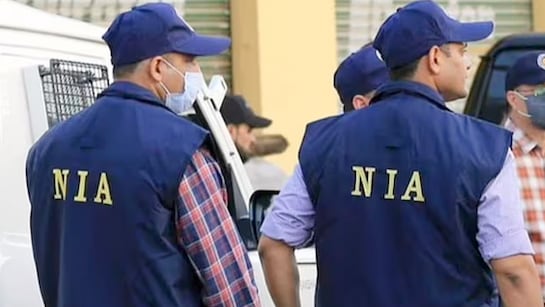
Digital evidence discovered by investigators connected these ISIS modules to terrorists operating from Pakistan.
New Delhi:
Investigators have achieved a significant breakthrough by dismantling two pan-India ISIS modules within one week. These modules had allegedly been preparing for targeted killings and attacks on religious sites, with recovered materials including weapons and chemical bomb-making components. Digital evidence linked these operations to Pakistani terrorists. The modules were reportedly operating under the "Khilafat" model, which involves occupying territory before conducting "jihad," and following the Ghazwa-e-Hind agenda.
First ISIS Module Uncovered
The Delhi Police Special Cell exposed the first module through coordinated raids across Jharkhand, Telangana, Bengaluru, Maharashtra, and Madhya Pradesh.
Authorities arrested five members: Ashar Danish, Aftab Qureshi, Sufian Abubakar Khan, Mohammad Huzaif Yaman, and Kamran Kamran Qureshi. Sources indicate they confiscated substantial quantities of weapons and chemical bomb-making materials. According to intelligence sources, the terrorists were planning targeted killings and attacks against religious sites.
Second Module Based in Andhra Pradesh
The second ISIS module was traced to Vizianagaram in Andhra Pradesh. The National Investigation Agency (NIA) conducted raids across 16 locations spanning eight states - Andhra Pradesh, Telangana, Tamil Nadu, Jharkhand, Uttar Pradesh, Bihar, Maharashtra, and Delhi. These operations yielded numerous digital devices, documents, and chemical bomb-making materials.
Digital evidence revealed that two suspects, Siraj and Sameer, were radicalizing youth through multiple social media platforms including Instagram, Facebook, Telegram, and Signal. A Pakistani handler shared radical videos within these online groups.
Both suspected terrorists have been apprehended in Vizianagaram.
The first suspect in this case, Arif Hussain (alias Abu Talib), was arrested on August 27 while attempting to escape to Riyadh, Saudi Arabia.
Investigations revealed that Hussain and his associates were conspiring to smuggle weapons through the Nepal border.
Operational Methods of These Modules
These modules, directed by Pakistani handlers, connect with young people through various Signal app groups. Recruits are told that Muslims face oppression in India and that remaining silent will lead to dire consequences.
Extremist videos are shared within these groups, and Pakistani handlers initiate private conversations with any members showing interest in the inflammatory content.
According to investigators, four key figures whose speeches are used to radicalize Indian youth are Masood Azhar, Tariq Masood, Tariq Jameel, and Zakir Naik.
Masood Azhar leads Jaish-e-Mohammed. Tariq Masood is a Pakistani Deobandi scholar and preacher.
Tariq Jameel is recognized as a Pakistani Islamic cleric and Tablighi Jamaat member.
Zakir Naik is an Indian Islamic preacher who serves as president of the Islamic Research Foundation.