
Tibetan Leader Lobsang Sangay Warns India Of China's Big Arunachal 'Game Plan'
- Date & Time:
- |
- Views: 55
- |
- From: India News Bull
Former Tibetan Government in Exile President (Sikyong) Lobsang Sangay has issued a stark warning about China's ongoing expansionist agenda, highlighting Arunachal Pradesh as Beijing's next major target and cautioning that India "simply cannot trust" Chinese intentions.
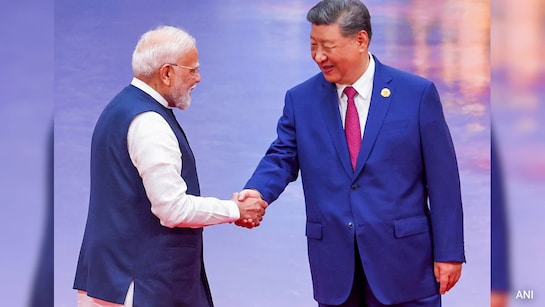
Mr Sangay's alert comes amid China's continued efforts to rename Arunachal Pradesh villages, develop military infrastructure near the Line of Actual Control (LAC), and support Pakistan against India.
Examining the historical pattern of India-China relations, the Tibetan leader emphasized how every diplomatic reset attempt by New Delhi has ultimately resulted in betrayal.
"The Panchsheel agreement was signed in 1954, only to be followed by war in 1962. When Foreign Minister Atal Bihari Vajpayee visited China in 1979, the Vietnam conflict was ongoing. Xi Jinping's 2015 India visit was followed by the Doklam standoff within two years. In 2019, both nations celebrated 70 years of diplomatic relations, only for the Galwan clash to occur in 2020," Mr Sangay explained to NDTV.
He compared India's persistent trust in China to a relationship destined for failure.
"Couples typically end relationships after two betrayals. Yet after 14 instances of betrayal, India continues returning with calls for 'reset, reset.' It's like having your heart shattered and attempting to repair it with scotch tape," he observed.
The former Sikyong also highlighted China's concerning military developments along the Himalayan border.
"China is constructing high-speed railways, highways, and military airfields directly opposite Arunachal Pradesh. They're preparing for invasion. In Beijing's strategic vision, Tibet represents the palm, while the five fingers are Ladakh, Nepal, Bhutan, Sikkim, and Arunachal. Having already occupied Tibet, they're now targeting these five fingers, as controlling the Himalayas means dominating both South Asia and India," he warned.
"Genuine mutual trust requires sincerity. While India speaks of peace, China stays two steps ahead by building 300 villages along the border, encroaching beyond the LAC, and establishing helipads and military installations in Doklam. They repeat 'Hindi-Chini Bhai Bhai' rhetoric while consistently betraying India," he stated.
Mr Sangay made a pointed linguistic comparison regarding the slogan "Hindi-Chini Bhai Bhai": "Chini also means sugar, which is harmful to health. It causes diabetes, dementia, and fatty liver disease. In every sense, Hindi (India) should completely avoid Chini (China)."
According to the Tibetan leader, China's ultimate objective is unmistakable - regional supremacy.
"To achieve global dominance, China must first control Asia. This requires ensuring India remains subordinate and incapable of competing," he explained.
Mr Sangay's warning emerges as Beijing continues its campaign of renaming Arunachal villages, expanding military infrastructure near the LAC, and supporting Pakistan against Indian interests.
The Tibetan politician delivered a straightforward message: India must abandon any illusions of friendship. "Every declaration of 'Hindi-Chini Bhai Bhai' has ended in betrayal. How many heartbreaks is India willing to endure?" he asked.