
Chief Justice Kant Shares Powerful Story About Judicial Delays and Their Impact on Ordinary Citizens
- Date & Time:
- |
- Views: 33
- |
- From: India News Bull
New Delhi:
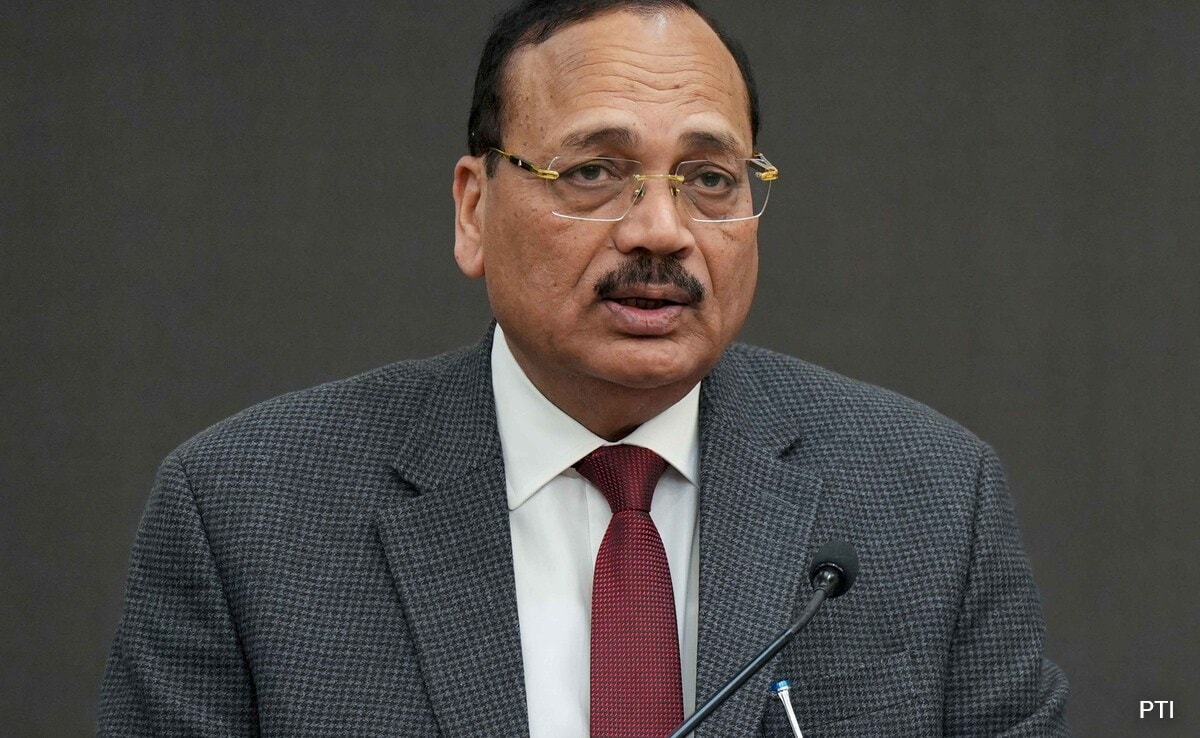
Chief Justice of India Surya Kant shared a moving personal story today highlighting the human impact of judicial delays, drawing from his early legal career to demonstrate how pending cases and litigation expenses quietly undermine the dignity of ordinary citizens seeking justice.
Speaking at the Orissa High Court Bar Association's symposium titled "Ensuring Justice for the Common Man: Strategies for Reducing Litigation Costs and Delays," CJI Kant revealed that his most profound lessons about justice came not from his constitutional position but from experiences in district courtrooms.
He recalled noticing an elderly farmer sitting patiently outside a courtroom with a weathered file. The man's case was listed as number 104, and by late afternoon, it was clear to experienced attorneys that the matter wouldn't be heard that day.
"Concerned, I asked why he continued waiting," the Chief Justice recounted. "When I informed him his case likely wouldn't be heard, he responded with a sad smile, 'If I leave early, my opponent will think I've surrendered.'"
This exchange profoundly impacted the then-young lawyer. Even decades later, Justice Kant explained that this brief interaction continues to influence his justice philosophy. "For him, delay wasn't merely a statistic in court records. It represented a quiet erosion of personal dignity," he observed, adding that litigation costs become a "financial winter" that plaintiffs endure for years.
Using this anecdote as foundation, the Chief Justice emphasized that the judicial system's true effectiveness must be measured through the common citizen's experience.
He noted that case backlogs affect the entire judicial framework—from trial courts to constitutional courts—creating pressure throughout the system and transforming justice-seeking into an endurance test.
CJI Kant stressed that reforms must address both delays and costs to maintain courts' relevance and humanity. He mentioned ongoing high-level efforts to resolve long-pending matters involving settled or repetitive issues, bringing legal certainty while easing lower court burdens.
The Chief Justice also highlighted alternative dispute resolution's transformative potential, particularly mediation, citing examples where long-standing family conflicts, commercial disputes, and even international disagreements were resolved through dialogue rather than extended litigation. Settlement, he emphasized, should be viewed as strategic and dignified resolution rather than surrender.
Concluding his address, Justice Kant returned to the elderly farmer waiting outside the courtroom. "When justice is delayed or made unaffordable, dignity suffers in small, unseen ways," he remarked. "Our collective responsibility—as judges, lawyers and institutions—is ensuring no citizen must demonstrate perseverance simply to be heard."
The symposium brought together judges, senior advocates, and Bar members to discuss practical approaches for making justice faster, more affordable, and more accessible for ordinary citizens.
Source: https://www.ndtv.com/india-news/on-judicial-delay-and-its-effect-on-common-man-cji-kants-poignant-anecdote-9808112