
Delhi Air Quality Crisis: GRAP-3 Restrictions Implemented as AQI Reaches Severe Levels
- Date & Time:
- |
- Views: 35
- |
- From: India News Bull
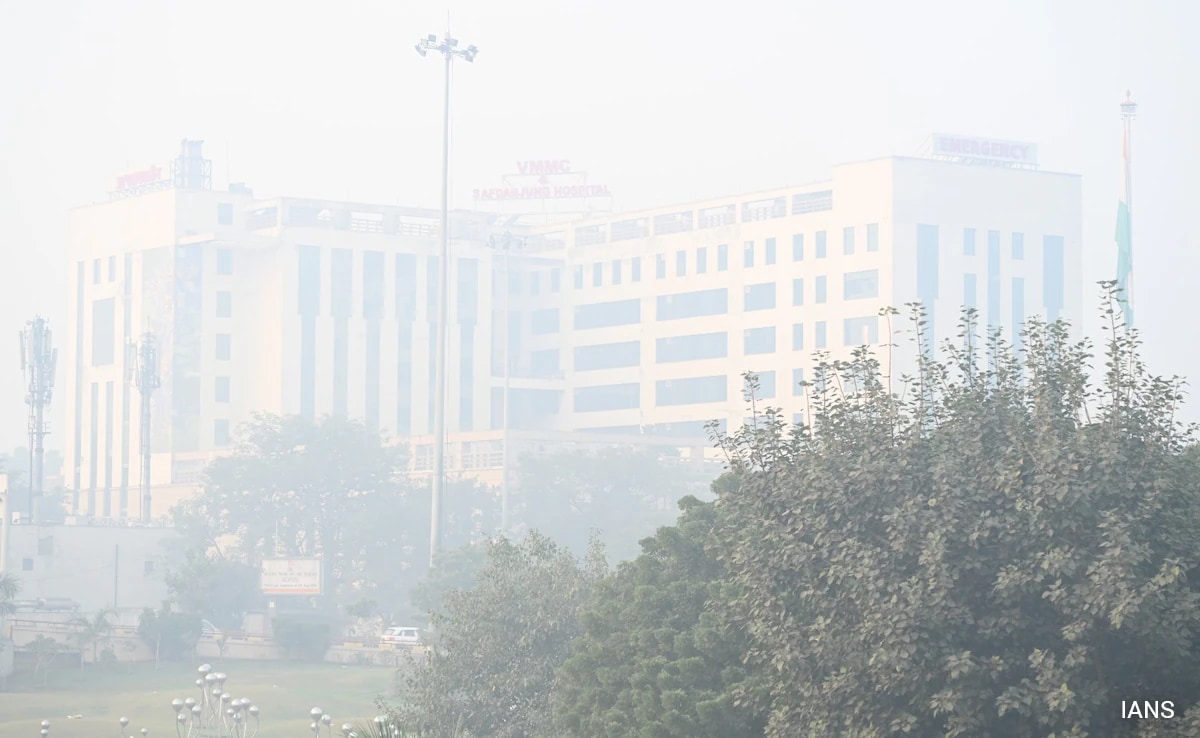
Delhi's AQI has deteriorated to the severe category, prompting immediate action from authorities.
New Delhi:
On Saturday, Delhi authorities implemented anti-pollution restrictions under GRAP-3 as the city's air quality deteriorated to the 'severe category.' According to data from the Central Pollution Control Board (CPCB), the national capital registered an Air Quality Index (AQI) of 405 by noon, having climbed from approximately 390 in the early morning hours.
During winter months, Delhi and the surrounding National Capital Region (NCR) enforce a graduated response system known as GRAP, which classifies air quality into four progressive stages: Stage 1 (Poor, AQI 201-300), Stage 2 (Very Poor, AQI 301-400), Stage 3 (Severe, AQI 401-450), and Stage 4 (Severe Plus, AQI exceeding 450).
The GRAP-3 restrictions include prohibitions on non-essential construction and demolition activities, stone crushing operations, and mining work. Additionally, older diesel commercial vehicles are banned from Delhi's roads, schools up to Class 5 must transition to hybrid learning models, and offices throughout Delhi-NCR are advised to operate with only 50 percent of their staff on-site.
Wazirpur emerged as Delhi's most polluted area early Saturday, recording a concerning AQI of 443. Jahangirpuri followed closely with an AQI of 439, while Vivek Vihar registered 437. Other severely affected areas included Anand Vihar (AQI 435), Burari Crossing (AQI 415), Chandni Chowk (AQI 419), Ghazipur (AQI 435), Jahangirpuri (AQI 442), RK Puram (AQI 404), and Rohini (AQI 436).
Dangerously high AQI levels have become increasingly commonplace across numerous Delhi districts during the winter season. According to a report by IANS citing environmental specialists, this deterioration stems from a combination of stagnant air conditions, emissions from vehicles, industrial activities, and seasonal factors, particularly the burning of crop residue in adjacent states.
Health professionals caution that extended exposure to these elevated pollution levels may exacerbate asthma conditions, diminish lung function, increase cardiovascular stress, and cause irritation to the eyes and throat.
Delhi Airport has issued an advisory on social platform X, stating that while all flight operations currently remain normal, low visibility procedures have been activated. "Passengers are requested to contact the airline concerned for updated flight information," the advisory noted.
On Friday, Delhi was similarly enveloped in a thick blanket of smog with an AQI of 386. Areas such as Ghazipur and Anand Vihar experienced particularly dense haze, resulting in severely reduced visibility.
Source: https://www.ndtv.com/india-news/delhi-aqi-anti-pollution-curbs-under-grap-3-invoked-in-delhi-as-air-turns-severe-9802314