
PM Modi Praises Amit Shah's Parliament Speech on Electoral Integrity: Countering Opposition Claims with "Concrete Facts"
- Date & Time:
- |
- Views: 59
- |
- From: India News Bull
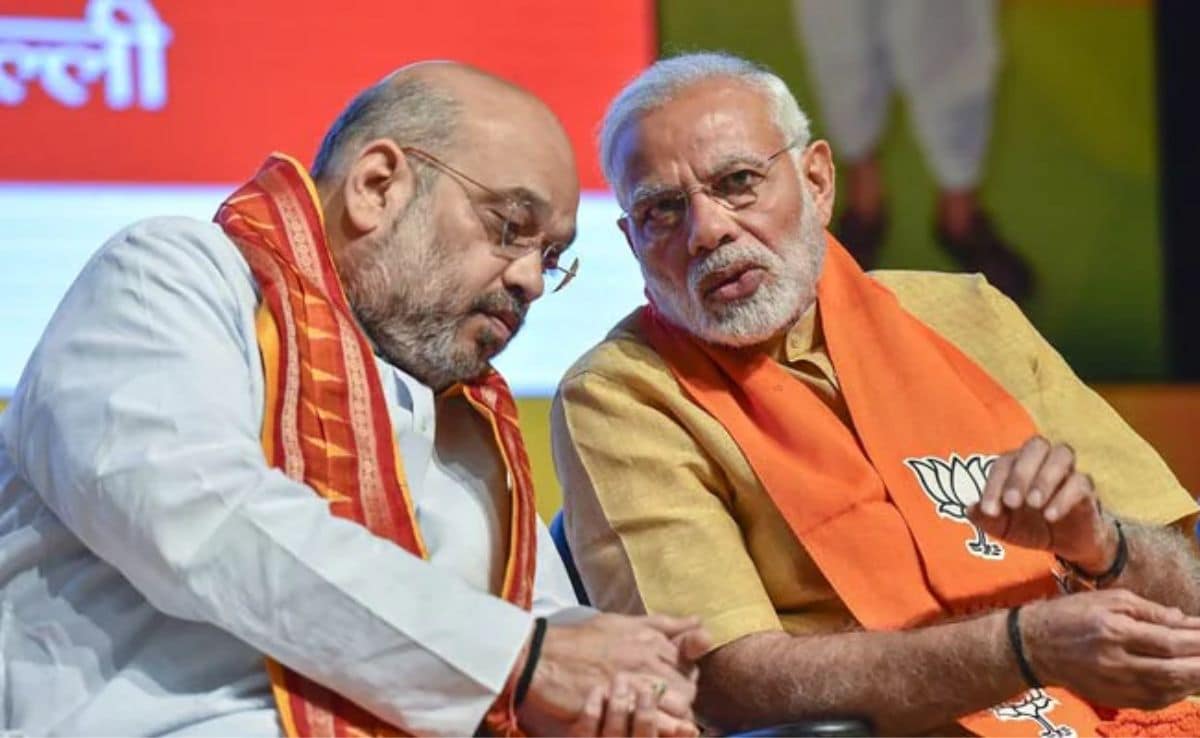
New Delhi: Prime Minister Narendra Modi commended Home Minister Amit Shah on Wednesday for his "outstanding" parliamentary address, in which Shah effectively countered Opposition claims regarding electoral processes and responded to Congress MP Rahul Gandhi's "vote theft" allegations.
Taking to social media platform X, PM Modi highlighted that HM Shah presented "concrete facts" while addressing Opposition concerns about the electoral system. The Prime Minister added that the Home Minister effectively demonstrated the strength of India's democratic processes while exposing falsehoods circulated recently.
"An outstanding speech by Home Minister Shri Amit Shah Ji. With concrete facts, he has highlighted diverse aspects of our electoral process, the strength of our democracy and also exposed the lies of the Opposition," PM Modi stated on X.
HM Shah's address emerged amid intense debate over election integrity, where he dismissed manipulation allegations as "baseless" and accused Opposition parties of attempting to undermine public confidence in democratic institutions. He provided detailed explanations of procedural safeguards, historical precedents, and legal frameworks to affirm the security and transparency of India's electoral system.
This exchange represented one of the more contentious confrontations during the current parliamentary session, with government benches supporting Shah's comprehensive rebuttal while Opposition members maintained that concerns raised by Rahul Gandhi required further examination.
During Wednesday's Lok Sabha discussion on election reforms, Union Home Minister Amit Shah systematically refuted points raised in Rahul Gandhi's "vote theft" allegations and highlighted instances of electoral manipulation by Opposition parties themselves.
Shah delivered his statement despite frequent interruptions from Opposition benches, occasionally being forced to pause as Speaker Om Birla attempted to maintain order in the House.
The Home Minister criticized the Congress leader's "nuclear bomb" press conference and identified inconsistencies in his allegations. He addressed Gandhi's claim about over 500 voters allegedly registered at a single address in Haryana by citing the Election Commission of India's clarification that the residence "House No. 265" spans a one-acre ancestral plot with multiple families living in separate dwellings.
Shah explained that separate numbers had not been assigned to individual houses on the property. "There could be three generations of family members living in a house," the BJP leader noted, referencing the election body's explanation before adding, "they would have exercised their franchise even in Congress's regime in Haryana."
His 'counter bombshell' startled the Opposition when he claimed a Bihar voter had been pressured by Congress to provide false statements regarding voter list irregularities. The Home Minister also cited instances where Congress leaders themselves allegedly engaged in "vote theft," provoking loud protests from Opposition benches.
Shah referenced post-Independence politics, claiming, "When the Congress decided on a mandate from regional chiefs to decide who should be the Prime Minister, Jawaharlal Nehru got two votes to Sardar Vallabhbhai Patel's 28. Yet, Nehru became the Prime Minister."
He also mentioned the June 1975 Allahabad High Court judgment that invalidated Indira Gandhi's victory from Rae Bareli constituency after Opposition leader Raj Narain challenged alleged electoral malpractice—a ruling that contributed to political upheaval and the subsequent Emergency declaration.
Responding to Gandhi's question about the NDA government enacting legislation protecting Election Commissioners from legal proceedings, Shah reminded him how Congress had established similar immunity for Prime Ministers.
The Home Minister defended the Special Summary Revision (SIR) as necessary for "purifying" voter rolls, tracing its precedent to Jawaharlal Nehru's government. He described it as a process to "clean and purify electoral rolls" by removing deceased individuals, migrants, transferred voters, and foreign nationals while including new eligible voters.
Shah emphasized the historical context, noting that the first three such exercises occurred during Nehru's administration, with subsequent revisions under Prime Ministers Lal Bahadur Shastri, Indira Gandhi, Rajiv Gandhi, and Narasimha Rao—all during Congress governments. Only once was a non-Congress government involved under Atal Bihari Vajpayee, but the process was halted when Manmohan Singh formed a coalition government in 2004.
"There has never been any complaint or protest till it resumed when our government is in power," Shah observed, noting the absence of SIR between 2004 and 2025. He explained that returning officers previously could remove names of deceased individuals and duplicate entries, but "in 2010, the Chief Election Commissioner decided against it," making SIR necessary for proper electoral roll maintenance.
When repeatedly interrupted during his address, Shah asserted control, stating, "I will decide the order of my speech," emphasizing parliamentary decorum and his extensive legislative experience.
Source: https://www.ndtv.com/india-news/presented-concrete-facts-pm-modi-praises-amit-shahs-parliament-speech-9788165