
H-1B Visa Could Be Up For Negotiation Once Trade Deal Signed: US Ex-Envoy
- Date & Time:
- |
- Views: 63
- |
- From: India News Bull
New Delhi:
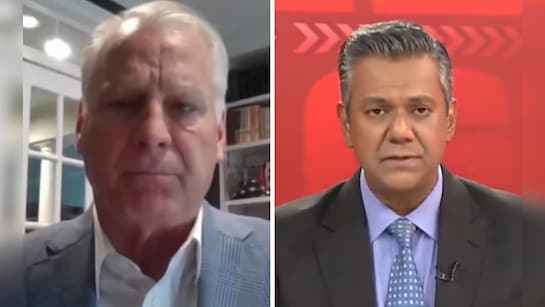
Former US Ambassador to New Delhi Tim Roemer indicated to NDTV that President Donald Trump's proposed substantial fee on new H-1B visa applicants from India might return to negotiations after the completion of the US-India trade agreement.
The extensive reform of the H-1B visa program comes during increased immigration restrictions and is anticipated to significantly impact Indian tech companies and skilled workers. The newly proposed $100,000 visa fee, exceeding the existing 50 percent tariff, is expected to negatively affect both Indian students' aspirations for opportunities in America and broader US-India relations. Currently, India has stated it is evaluating the potential implications of this proposed measure.
Mr. Roemer admitted that this policy "causes a hiccup in the relationship" but expressed optimism that "hopefully once we get through these trade negotiations, which are going to be maybe promising... then this H-1B visa issue can be revisited."
When questioned about whether the visa fee might serve as a negotiation point, the former ambassador suggested that President Trump's imposition of the additional 25 percent tariff—related to India's Russian oil purchases—was likely "a negotiating point to get people back to the table, to get the negotiations back on track, to try to make progress on a trade deal."
He noted India's successful trade agreements with the UK, Israel, and Australia, adding: "Certainly the United States, with all we have in trade and interests and technology, chip manufacturing, clean energy, this is something we can get to. Then the president will probably look again at this H1B visa."
If negotiations don't resolve the issue, Mr. Roemer outlined two potential scenarios: "The courts could weigh in. The courts may say that the President has overextended on this H-1B visa. And the second thing is that Congress could weigh in and say, this is our purview. We are the ones that set the number of H-1B visas... We want to take back our power, and we are going to have something to say about US-India relations."
Mr. Roemer emphasized that granting H-1B visas to Indians benefits the United States as well, as students who obtain PhDs, employment, and visas become job multipliers, creating "hundreds, if not thousands of US jobs."
Referencing a 15-year-old study by Duke and the University of California, he pointed out that approximately 25 percent of new technology jobs are created by these international students who later become CEOs.
"They develop Unicorns. They create business that then creates hundreds, if not thousands, of US jobs. So that's something I hope President Trump will understand, that this is a good thing not just for US-India relations. It is a great thing for US job creation," he stated.
He further elaborated: "Manufacturing jobs are created in America by those H-1B visa people getting their Master's and PhDs and staying in America, and it creates stronger links in the diaspora between our two great countries." New Delhi has already highlighted this aspect, noting that both nations have interests in "innovation and creativity" regarding H-1B visa holders and that the countries can be expected to "consult on the best path forward."
India's Foreign Ministry emphasized how talent mobility and exchanges have benefited both countries in technology development, innovation, economic growth, and wealth creation, stating: "Policy makers will therefore assess recent steps taking into account mutual benefits, which include strong people-to-people ties between the two countries."