
Delhi's Winter Crisis: Understanding the Temperature-Pollution Relationship in November-December
- Date & Time:
- |
- Views: 48
- |
- From: India News Bull
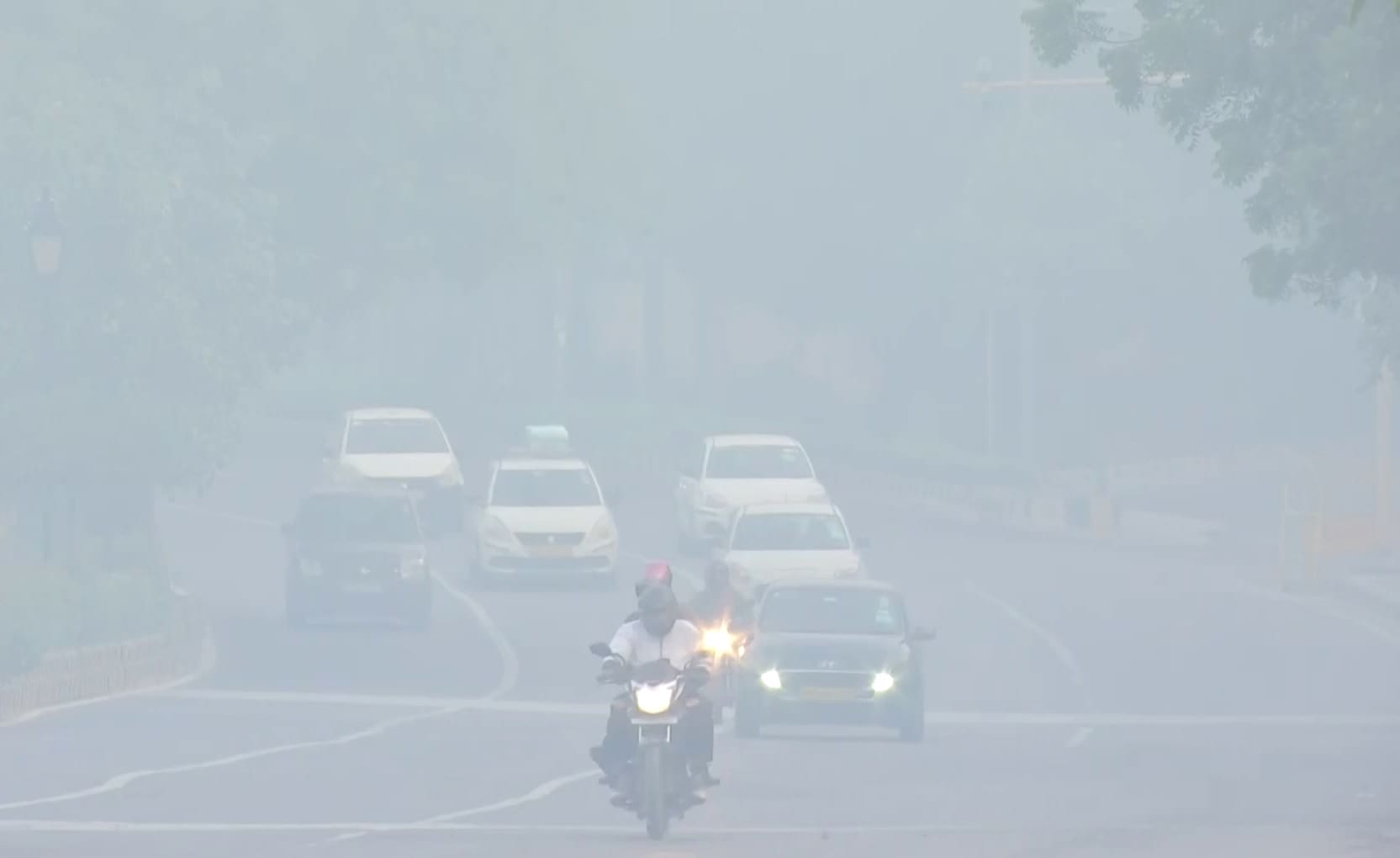
AQI levels have consistently registered between 300 and 370 throughout this month.
New Delhi:
Delhi experiences toxic air quality every winter, and this year follows the same pattern. While pollution levels increase after monsoon season, the true crisis emerges when temperatures drop significantly. Currently, a thick haze envelops the city, with Air Quality Index (AQI) readings frequently exceeding 400 - a level classified as 'severe' that poses health risks even to individuals without pre-existing conditions.
The ongoing smog has triggered demonstrations throughout the capital, from India Gate to Jantar Mantar. Citizens, students, and environmental activists have gathered with signs stating "We Can't Breathe" and donned gas masks to emphasize the critical nature of the situation. Some protests have escalated, with allegations of police detaining participants and deploying pepper spray.
Temperature's Role in Pollution Intensification
As December begins, Delhi is experiencing one of its most dramatic winter pollution surges. With temperatures plummeting to approximately 5 degrees Celsius, the AQI remains above 300, falling within the 'very poor' to 'severe' categories. This annual winter phenomenon occurs because cold air creates an inversion layer that traps pollutants close to the ground. As temperatures continue their downward trend, the smog situation will likely persist.
Analysis from the Central Pollution Control Board (CPCB) and India Meteorological Department (IMD) reveals a distinct inverse correlation between temperature and AQI from October 1 through December 5, 2025. The data demonstrates that as temperatures fall from around 20 degrees Celsius to single digits, air quality progressively deteriorates. October begins with moderately polluted mornings, November experiences hazardous pollution levels, and by December, the cold, stagnant air mass prevents pollutant dispersal, creating severe conditions.
The Data Evidence
October transitions Delhi from mild autumn with relatively low pollution to the initial signs of smog. Early October temperatures typically range between 22-25 degrees Celsius, with AQI readings between 80-150, indicating moderate pollution. By mid-to-late October this year, as temperatures decreased to 18-20 degrees Celsius, AQI levels rose dramatically to between 230-310. On October 30, the AQI reached 373, marking the season's first severe pollution spike. This establishes a clear pattern - once temperatures drop below 20 degrees Celsius, air quality rapidly deteriorates. Additionally, stubble burning becomes widespread during October before gradually declining by mid-November, further impacting pollution levels.
November marks a significant worsening in Delhi's air quality. Early November temperatures typically range from 16-19 degrees Celsius, with AQI climbing to 290-360. By mid-month, temperatures fall to 10-12 degrees Celsius, resulting in some of the year's highest pollution readings: 428 on November 11, 418 on November 12, and 404 on November 13. Late November experiences temperatures between 8-10 degrees Celsius while AQI remains elevated at 350-390.
With December's arrival and temperatures dropping to 5-6 degrees Celsius in the first week, AQI has consistently registered between 300 and 370. This confirms that once winter fully establishes itself, pollution becomes trapped with minimal dispersal opportunity, and conditions are likely to deteriorate further as December progresses.
Source: https://www.ndtv.com/india-news/delhi-pollution-aqi-cold-wave-toxic-air-why-delhis-pollution-peaks-in-november-december-9758456