
IndiGo's Massive Flight Cancellations: How the Airline Still Operates and Why Fares Have Skyrocketed
- Date & Time:
- |
- Views: 35
- |
- From: India News Bull
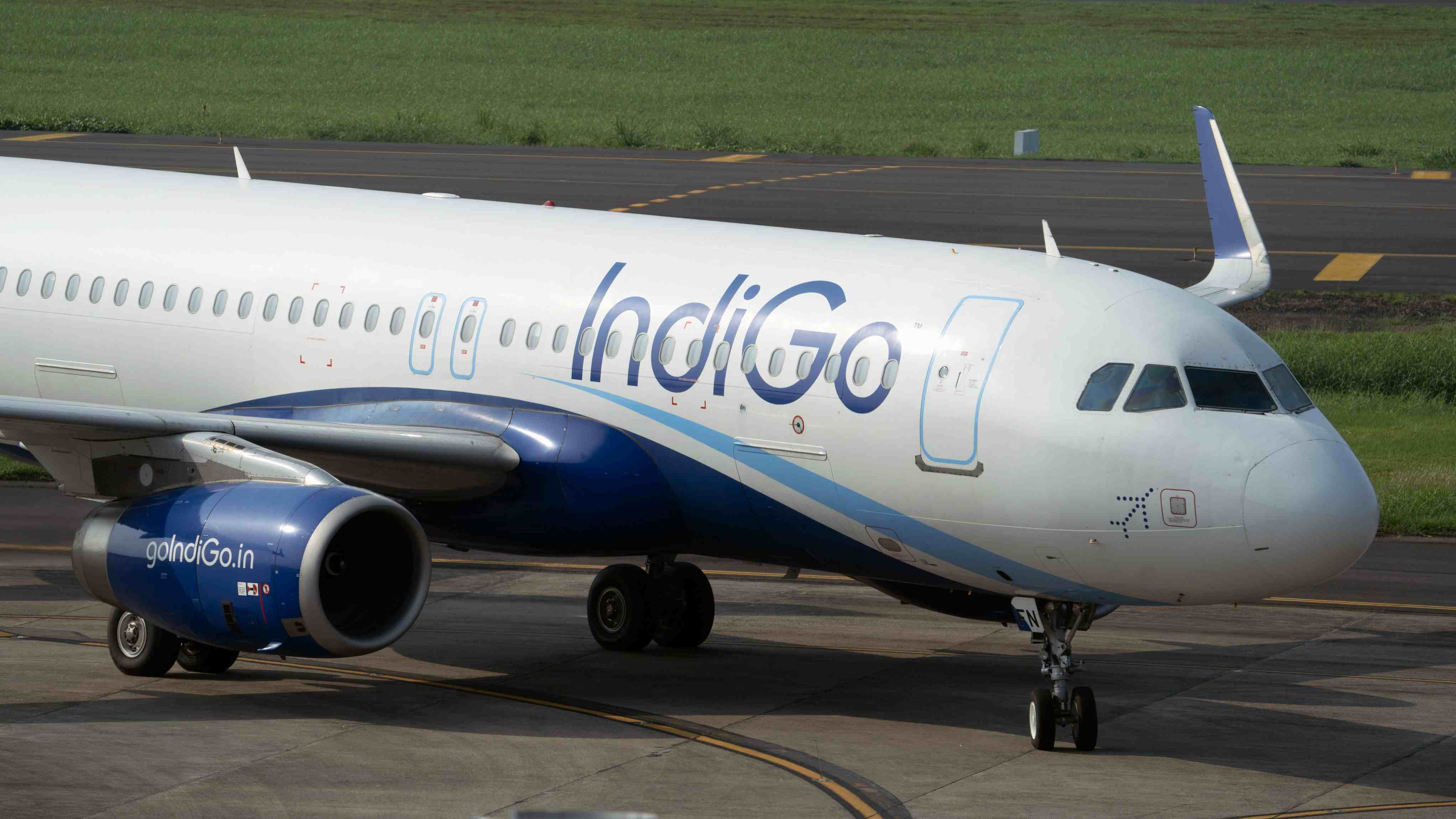
While IndiGo faces substantial operational disruptions, many travelers wonder: how can the airline continue selling tickets amid hundreds of daily cancellations, and why are fares exceptionally high even on routes plagued by cancellations?
The explanation is straightforward - despite the unprecedented wave of cancellations, IndiGo hasn't grounded its entire fleet or cancelled all of its 2,200+ daily flights across domestic and international routes.
What's actually occurring is a large-scale schedule disruption concentrated around specific airports and dates. Friday experienced the worst impact with over 1,000 flight cancellations, including all domestic IndiGo services departing from Delhi throughout the entire day.
While a significant portion of IndiGo's network operates in crisis mode, other segments remain functional. Routes such as Kolkata-Guwahati and Chennai-Coimbatore, along with connections between non-metropolitan cities, continue to operate, though with delays and reduced frequencies.
Since the entire schedule remains partially operational, IndiGo, as India's largest airline, continues selling seats on flights expected to operate over the coming days.
Airlines rarely cancel flights weeks in advance unless facing a complete shutdown. IndiGo's disruptions are being managed day by day, meaning while today's flights might be cancelled, those scheduled two or three days from now remain available for booking, assuming operations will stabilize.
IndiGo has stated that today's cancellations are part of a one-time 'system reboot' designed to reposition aircraft and crew to resume regular schedules. The airline expects operations to improve progressively, targeting near-normal conditions between December 10 and 15.
Regarding skyrocketing fares, IndiGo controls over 60% of India's domestic commercial aviation market. Its mass cancellations instantly reduce the total available seats across all airlines, while demand remains unchanged.
This extreme supply-demand imbalance activates 'dynamic pricing algorithms' used by airlines and flight ticket aggregators, resulting in alarmingly expensive fares since the IndiGo crisis began.
In the last 24 hours, Delhi-Mumbai one-way fares surged to Rs 50,000, with return tickets reaching Rs 60,000. Delhi-Bengaluru tickets cost up to Rs 1 lakh depending on connections. Bengaluru-Mumbai tickets, normally capped at Rs 7,000, were listed for Rs 40,000.
This situation prompted many online observations that Delhi-London tickets were actually cheaper! The IndiGo crisis has caused fares across all airlines to skyrocket.
A critical question emerges: should these pricing algorithms be disabled during crises or emergencies, rather than extracting more money from already inconvenienced customers who have paid for services?
Regarding why tickets appear available on flights that end up cancelled, during disruptions an airline may continue offering seats until crew reassignments are finalized or aircraft rotation fails. Only then is the flight marked as 'cancelled'.
This represents standard operating protocol worldwide. The airline's system keeps future flights available unless there's certainty they cannot operate. Complete ticket sales suspension would only occur if IndiGo grounded itself entirely or if aviation authorities ordered a complete suspension - neither of which has happened.
Passengers should check flight status before leaving for the airport and arrive with extra time to spare. Expect elevated fares across all airlines until supply normalizes. IndiGo anticipates improvements starting Saturday, though complete stabilization may take until mid-December.
Source: https://www.ndtv.com/india-news/indigo-is-cancelling-hundreds-of-flights-so-how-is-it-still-selling-tickets-9758391