
20 Years in Darkness: The Devastating Story of Lisa's Imprisonment and Journey to Recovery
- Date & Time:
- |
- Views: 37
- |
- From: India News Bull
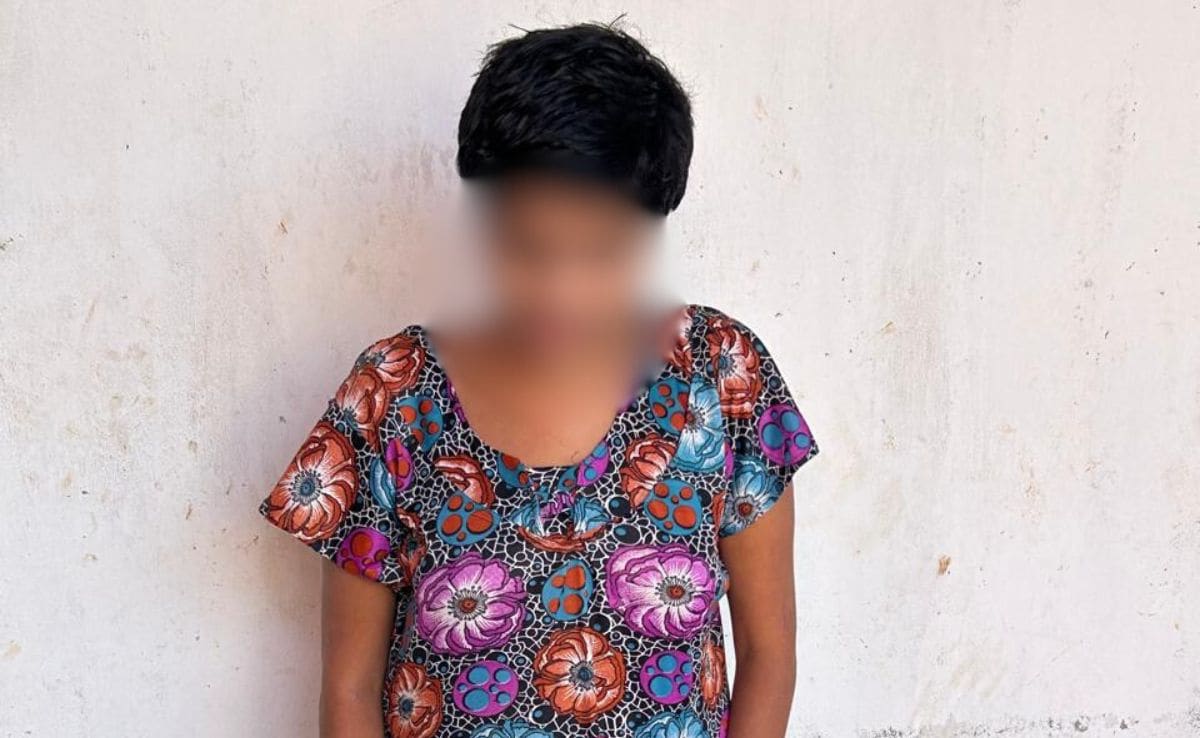
Confined to a single room for two decades, Lisa's mental development has been profoundly impaired.
Bastar, Chhattisgarh:
While other children experienced normal lives, Lisa remained trapped in darkness. Imprisoned from age 6, she emerged 20 years later with her vision severely compromised.
Some narratives reveal themselves as deep wounds. Some childhoods never truly begin. Lisa's story exemplifies a life silenced prematurely, a girl erased by circumstances, a woman discovered only after darkness had become her constant reality.
When most children were mastering basic literacy, Lisa, from Bakawand village in Chhattisgarh's Bastar district, was learning only fear. At six years old, she was cut off from the world's sounds. Her home's door opened merely for food delivery, not for living. When authorities finally discovered her two decades later, she possessed only darkness—not just visually, but in her memories as well.
Her identity formed within shadows. Her interactions consisted merely of the sounds of dishes pushed through a doorway. After twenty years of isolation, she struggles to recognize her own name when called.
Lisa's imprisonment began not with physical restraints but with terror.
In 2000, while attending Class 2, a village resident threatened to kill her. This threat terrified her so completely that she retreated into silence. Having lost her mother and with a vulnerable farmer father, no support network existed. Without protection resources for his daughter, her father made a decision that would define her next twenty years.
He confined her inside their mud house, believing isolation would protect her from danger. A windowless room became her entire world.
No sunlight. No conversation. No human contact. Just food delivered at the door, and the echo of a diminishing existence day after day.
What began as protection ultimately consumed her entirely.
When Social Welfare Department officials entered the dwelling, they discovered a woman whose eyesight had deteriorated beyond recovery. Medical experts indicate that extended isolation without natural light exposure has made vision restoration highly unlikely. Her cognitive development has been severely compromised as well. She behaves significantly younger than her chronological age.
She could not identify herself by name. Standing comfortably proved difficult.
Every sound frightened her. Every touch was met with resistance.
After rescue, she was transferred to Jagdalpur's medical college hospital for comprehensive physical and psychological evaluation. Initial medical findings highlight development arrested by trauma and adulthood shaped by sensory deprivation.
The Social Welfare Department has initiated a formal investigation. Officials are interviewing family members and neighbors to understand her 20-year confinement and whether it constitutes unlawful detention.
District administration representatives stated, "Action will commence once the investigation report is submitted."
Authorities are also examining whether her father, acting from fear and ignorance, failed to seek assistance from schools, panchayat organizations, or health services despite clear signs of dangerous withdrawal from society.
Lisa now resides at Gharaunda Ashram, where support staff and counselors help her rediscover life. In this environment filled with voices, movement, and gentle guidance, she's gradually learning to smile again, trust human presence, move forward without flinching, eat, bathe with assistance, and respond to communication.
Medical professionals and caregivers remain cautiously optimistic. While her vision may not return, they believe emotional, cognitive and behavioral recovery remains possible, though requiring years of intervention.
"We learned about this girl in Bakawand block. She exhibited some mental disturbance. We rescued her and placed her in appropriate shelter," explained Suchitra Lakra, Deputy Director, Social Welfare Department.
"Solitude took everything from her. Upon rescue, she feared people. Her elderly father had kept her locked in a room to protect her from view. She's safe now. At the shelter, she eats, bathes, and communicates independently," Lakra continued, adding, "Lisa's brother and sister-in-law lived next door but neglected her care. Her mother passed away years ago. Initially she developed normally, attending school through second grade. At that time, a man threatened to kill her. Afterward, she stopped attending school and ceased social interaction. Her father approached us saying, 'I've grown old, please help care for her.' That's how we discovered her situation."
Her story reveals childhood frozen by trauma and a woman now gradually returning to life.
They say even profound wounds can heal with compassion. Lisa may never see the world again. She may never fully reclaim her lost two decades. But her future need not mirror her past—not if society, governmental institutions, and human compassion stand with her.
Source: https://www.ndtv.com/india-news/a-death-threat-locked-her-in-room-for-20-years-she-has-nearly-lost-her-sight-9755471