
Indian Rupee Falls to Historic Low: Chief Economic Adviser Remains Optimistic About FDI Growth Despite Currency Depreciation
- Date & Time:
- |
- Views: 41
- |
- From: India News Bull
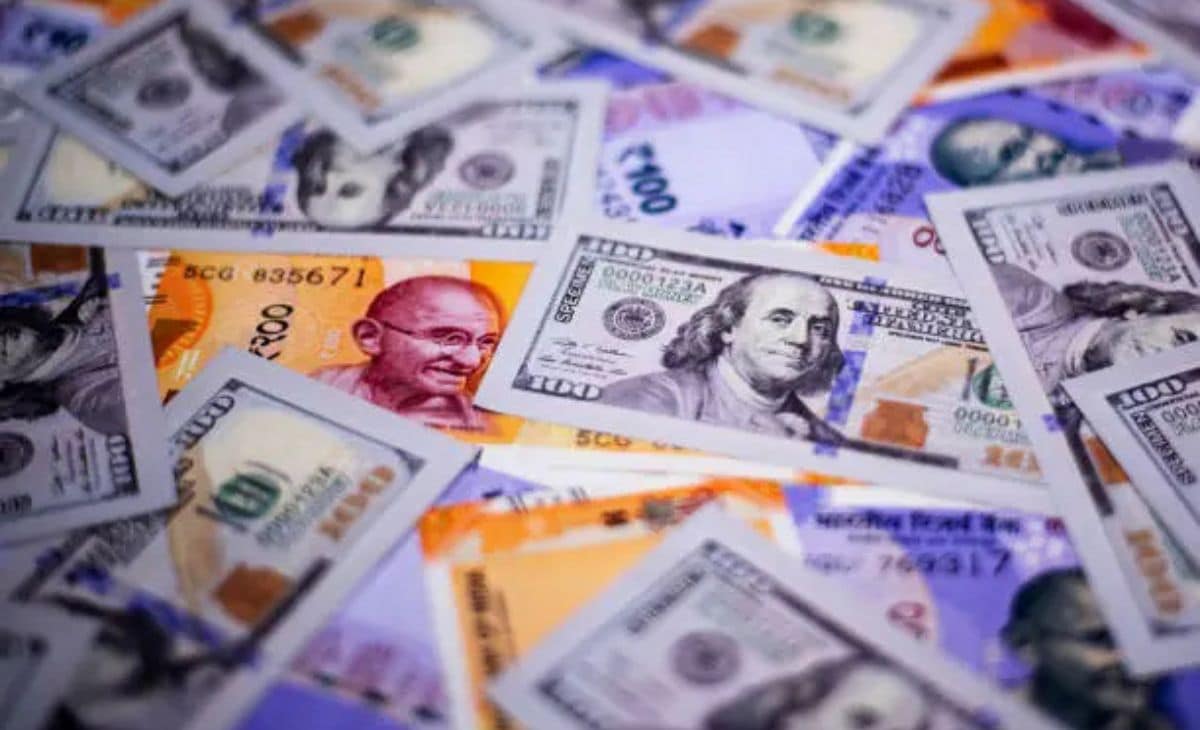
In 2025, the Indian rupee has experienced approximately 5 percent depreciation against the US dollar.
The Chief Economic Adviser V Anantha Nageswaran stated on Wednesday that the government isn't concerned about the rupee's decline, which has now surpassed the 90-level against the US dollar.
On Wednesday, the rupee reached a historic low of 90.21 (provisional) against the US dollar, sparking inflation concerns.
During a CII event, Nageswaran mentioned that the weakening rupee isn't impacting inflation or exports.
While a depreciating rupee typically benefits outbound shipments, it makes imports more expensive. Sectors reliant on imports such as gems and jewelry, petroleum, and electronics may experience reduced benefits due to increasing input costs, potentially driving up inflation expectations.
Nevertheless, Nageswaran expressed optimism that the situation would improve in the coming year.
The rupee breached the 90-per-dollar threshold for the first time, settling at an all-time low of 90.21 (provisional) on Wednesday, declining 25 paise from its previous close amid persistent foreign fund outflows and elevated crude oil prices.
According to forex traders, uncertainty regarding the India-US trade deal and the apparent lack of Reserve Bank of India (RBI) intervention to halt the local currency's slide contributed to additional pressure on the rupee.
Regarding gross foreign direct investment (FDI) targets, Nageswaran expressed confidence, stating, "We may cross USD 100 billion this year." During the first half of the current fiscal year, total FDI—including equity inflows, reinvested earnings, and other capital—increased to approximately USD 50 billion compared to USD 42.3 billion during the same period in 2024-25.
India's gross FDI inflows for the financial year 2024-25 reached approximately USD 81.04 billion, representing a 14 percent increase over the previous fiscal year.
Nageswaran noted that the gradual increase in net FDI figures after 2014 and until the COVID-19 pandemic has now encountered geopolitical and geo-economic challenges.
"That explanation should not stop there. We are aware that we have to crank up our game," he emphasized.
The government needs to address tax and non-tax issues, infrastructure-related concerns, and last-mile connectivity problems to boost FDI into India, according to the CEA.
He also observed that the FDI landscape has shifted significantly over the past few years.
Following COVID-19, certain countries began focusing on localizing production rather than completely relying on foreign nations, prompting many companies to redirect their investments to those jurisdictions.
Source: https://www.ndtv.com/india-news/not-losing-sleep-chief-economic-adviser-on-falling-rupee-against-dollar-9746555