
Supreme Court Mandates UPSC to Allow Scribe Changes 7 Days Before Exams and Implement Screen-Reader Software for Visually-Impaired Candidates
- Date & Time:
- |
- Views: 31
- |
- From: India News Bull
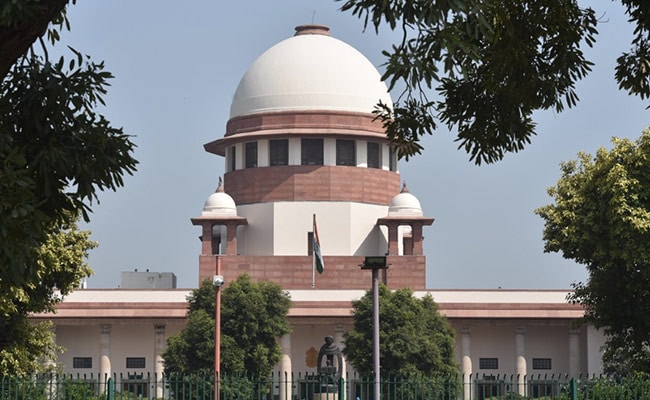
The Supreme Court has mandated the Union Public Service Commission (UPSC) to incorporate provisions allowing eligible candidates to request scribe changes up to seven days before examinations. The bench has scheduled a follow-up hearing for February 16 next year to review the UPSC's compliance affidavit.
In a significant ruling delivered on Wednesday, the Supreme Court directed the UPSC to modify its examination notification policy, ensuring candidates can request scribe changes at least one week prior to test dates. Additionally, the commission must submit a comprehensive compliance affidavit within two months outlining their implementation plan for screen-reader software for visually-impaired candidates.
Justices Vikram Nath and Sandeep Mehta emphasized that rights guaranteed to differently-abled individuals represent constitutional promises of equality, dignity, and non-discrimination rather than acts of benevolence. The bench stated, "The true measure of inclusivity in governance lies not merely in the formulation of progressive policies but in their faithful and effective implementation."
This verdict addresses a petition filed by Mission Accessibility, an organization advocating for differently-abled people's rights, which sought modifications to the scribe registration timeline for Civil Services Examinations and requested permission for eligible candidates to use laptops equipped with screen-reader software alongside accessible digital question papers.
The court mandated that all UPSC examination notifications must clearly state that candidates eligible for scribes can request changes up to seven days before the examination date. Such requests must be considered objectively and resolved through reasoned orders within three working days of application receipt.
Furthermore, the UPSC must file a detailed compliance affidavit specifying their action plan, timeline, and implementation methods for screen-reader software deployment for visually-impaired candidates. The affidavit should detail steps for testing, standardizing, and validating the software across examination centers while indicating the feasibility of making this facility operational by the next examination cycle.
The bench directed the UPSC to collaborate with the Department of Empowerment of Persons with Disabilities and the National Institute for the Empowerment of Persons with Visual Disabilities to develop uniform guidelines for screen-reader software and other assistive technologies, ensuring standardization, accessibility, and examination security.
The Central Government, through relevant departments, must provide necessary administrative and technical support to expedite implementation and facilitate coordination with states and examination authorities when required.
The court emphasized that these measures must be implemented in a manner ensuring full accessibility while maintaining examination integrity, confidentiality, and fairness. These directives aim to meaningfully implement the constitutional mandates of equality, non-discrimination, and dignity as enshrined in Articles 14 and 21, aligned with provisions of the Rights of Persons with Disabilities Act, 2016.
As the premier recruitment body upholding merit and fairness values, the UPSC must ensure its processes remain accessible, transparent, and responsive to all segments of society. The bench stressed that these directives must be carried out with earnestness, sensitivity, and expedition to transform the constitutional vision of equal opportunity into a tangible reality rather than a distant aspiration.
The justices concluded that a truly inclusive society is measured not merely by proclaimed freedoms but by opportunities provided to all citizens to realize their potential. "Equality, in its truest sense, demands not uniformity but the removal of barriers that prevent individuals from standing on equal footing," the bench observed, adding that law must move beyond formal equality to ensure substantive inclusion, transforming written promises into lived realities.
Source: https://www.ndtv.com/india-news/top-court-directs-upsc-to-allow-scribe-change-up-to-7-days-before-exam-9746552