
Delhi's Air Pollution Crisis: Over 200,000 Respiratory Cases Reported in Major Hospitals Within Three Years
- Date & Time:
- |
- Views: 50
- |
- From: India News Bull
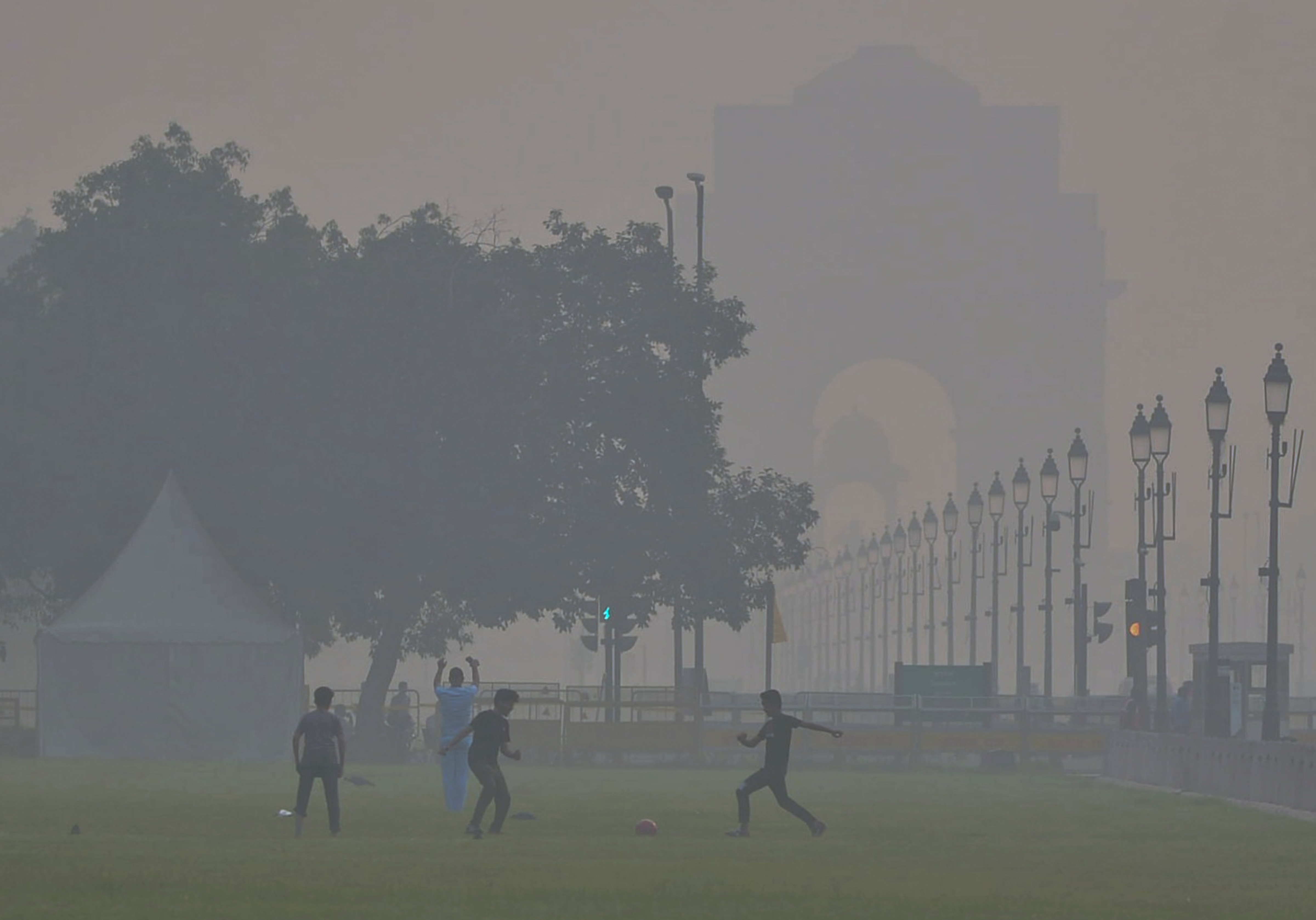
The Union Ministry of Health and Family Welfare has revealed in Parliament that six major central government hospitals in Delhi documented 2,04,758 cases of acute respiratory illness (ARI) in emergency departments between 2022 and 2024. Among these patients, 30,420 required hospitalization, representing nearly 15% of cases, highlighting the severe health impact of Delhi's persistent air pollution crisis.
Minister of State for Health and Family Welfare, Prataprao Jadhav, presented this information in response to Rajya Sabha MP Dr. Vikramjit Singh Sahney's inquiry about the relationship between air pollution and respiratory diseases in urban areas.
Dr. Sahney specifically requested information on whether the Ministry had studied the correlation between rising air pollution and respiratory illnesses in urban centers, details regarding increases in outpatient and hospital admissions for asthma, COPD, and lung infections in metropolitan cities (particularly Delhi) from 2022-2025, and whether the Ministry planned policy interventions to better understand air pollution's role in respiratory conditions.
The year-by-year breakdown from the six hospitals (AIIMS, Safdarjung, LHMC group, RML, NITRD, VPCI) shows: 67,054 emergency cases with 9,874 admissions in 2022; 69,293 emergency cases with 9,727 admissions in 2023; and 68,411 emergency cases with 10,819 admissions in 2024.
Despite a slight decrease in total emergency visits in 2024, the number of patients requiring admission increased significantly, suggesting that cases arriving at hospitals are becoming more severe.
The government acknowledged that "air pollution is one of the triggering factors for respiratory ailments and associated diseases," while noting that health effects are influenced by multiple factors, including diet, occupation, socio-economic status, and pre-existing conditions.
An Indian Council of Medical Research (ICMR) multi-city study across five locations found that increases in pollution levels directly correlated with higher emergency room visits for respiratory complaints. Among more than 33,000 patients analyzed, a clear association was observed between deteriorating air quality and respiratory morbidity, though the study did not establish direct causation.
The National Centre for Disease Control (NCDC) has expanded digital surveillance of air pollution-related illnesses through the Integrated Health Information Platform (IHIP) since August 2023, covering over 230 sentinel sites across 30 States/UTs, including six in Delhi.
Each year, the Health Ministry issues a comprehensive health advisory to all states under the National Programme on Climate Change and Human Health (NPCCHH). The 2025 advisory, released in April, encourages states to strengthen healthcare preparedness, train staff, maintain essential drug supplies, and distribute public awareness messages when the Air Quality Index (AQI) reaches "poor" levels or worse.
Nevertheless, Delhi's residents continue to suffer from winter smog, agricultural burning, vehicle emissions, and construction dust with little noticeable reduction in emergency respiratory cases year after year.
As the national capital prepares for another toxic winter, the recent parliamentary data serves as a sobering reminder that Delhi is literally choking, and the documented two lakh emergency visits in just three years represents only the visible portion of this ongoing crisis.
Disclaimer: This content including advice provides generic information only. It is in no way a substitute for a qualified medical opinion. Always consult a specialist or your own doctor for more information. NDTV does not claim responsibility for this information.
Source: https://www.ndtv.com/india-news/government-reveals-data-on-delhis-toxic-air-crisis-over-2-lakh-acute-respiratory-cases-in-6-major-hospitals-in-just-3-years-9744299