
Indian Rupee Hits Historic 90-Mark Against US Dollar: Economic Impact and Consequences for Overseas Students
- Date & Time:
- |
- Views: 44
- |
- From: India News Bull
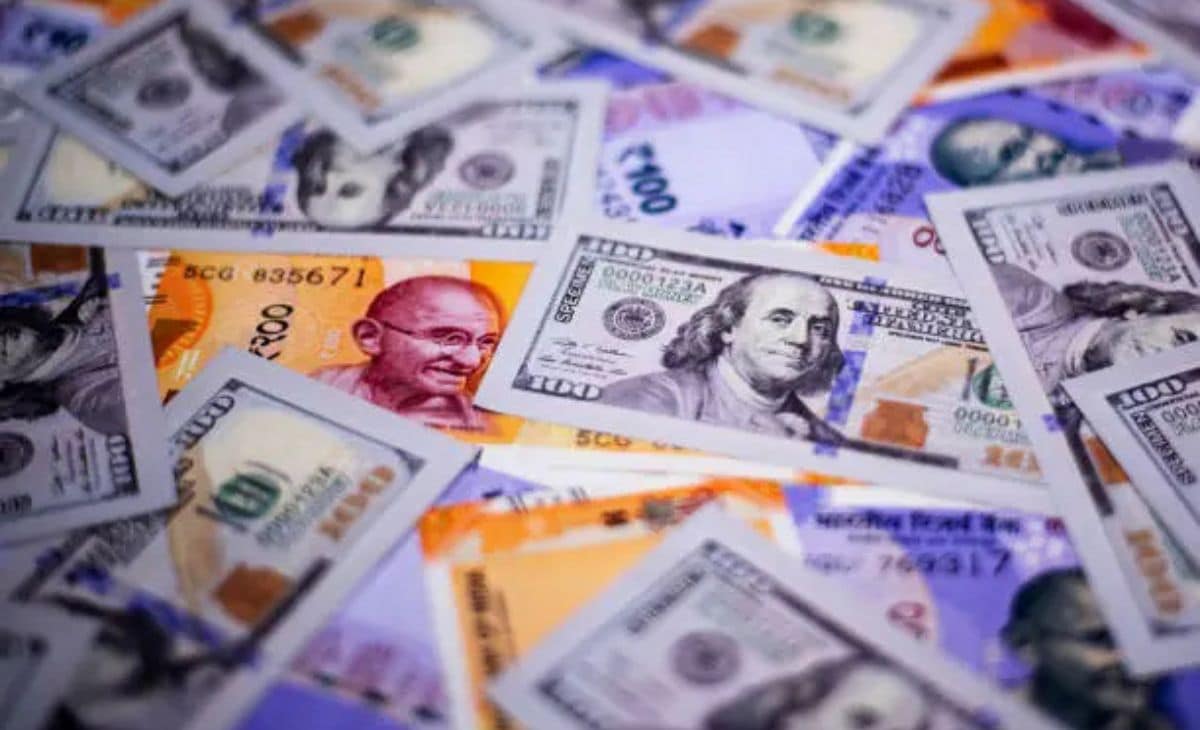
The Indian rupee plunged to an unprecedented low of 90.13 against the US dollar on Wednesday, breaking the previous day's record of 89.9475 and extending its downward trajectory for the fifth consecutive session.
This significant depreciation occurred amid weak trade and portfolio flows, consistent importer demand, and uncertainty regarding the India-US trade agreement.
The currency's sharp decline immediately affected domestic markets, with the Nifty index dropping below 26,000 and the Sensex falling nearly 200 points in early trading. Investors grew increasingly concerned about inflation risks and potential continued outflows from foreign institutional investors (FIIs).
The Reserve Bank of India, which had been actively intervening earlier, appeared to permit greater currency flexibility in recent weeks, further intensifying market anxiety.
Several factors are driving the rupee's decline, including sustained demand for dollars from importers, weak capital flows, subdued foreign portfolio investor activity, speculative positioning and short-covering, uncertainty surrounding the India-US trade deal, and pressure from broader weakness across Asian currencies.
A weakening rupee makes imports more expensive, affecting everything from crude oil to electronics, potentially fueling inflation. This depreciation impacts sectors dependent on foreign currency payments, including aviation, automobiles, and pharmaceuticals. One significant but often overlooked casualty is education abroad.
Over 7.6 lakh Indian students moved overseas for higher education in 2024. With the rupee weakening from approximately Rs 84 in early 2025 to over Rs 90 currently—nearly a 7 percent decline—the cost of studying abroad has increased substantially.
Higher education is globally classified as an exported service, meaning every aspect of studying overseas becomes more expensive when the home currency weakens, including tuition, accommodation, visas, consultancy services, and daily living expenses.
The impact is substantial: tuition fees increase by lakhs of rupees, living expenses rise significantly, education loans grow larger with borrowers repaying more in rupee terms, and families supporting students abroad face heavier monthly remittances.
Students in the United States experience the most significant effects, but those studying in the United Kingdom, Canada, Australia, and Eurozone countries are also affected. Only countries with tightly managed currencies, such as Singapore, offer minimal relief.
Decisive intervention by the Reserve Bank of India could potentially halt this downward trend.
Source: https://www.ndtv.com/india-news/rupee-breaches-90-mark-for-first-time-what-the-record-fall-means-for-markets-students-9742666