
Fact Check: Did Nehru Want to Use Public Funds for Babri Masjid? Congress Refutes Rajnath Singh's Claims
- Date & Time:
- |
- Views: 36
- |
- From: India News Bull
New Delhi:
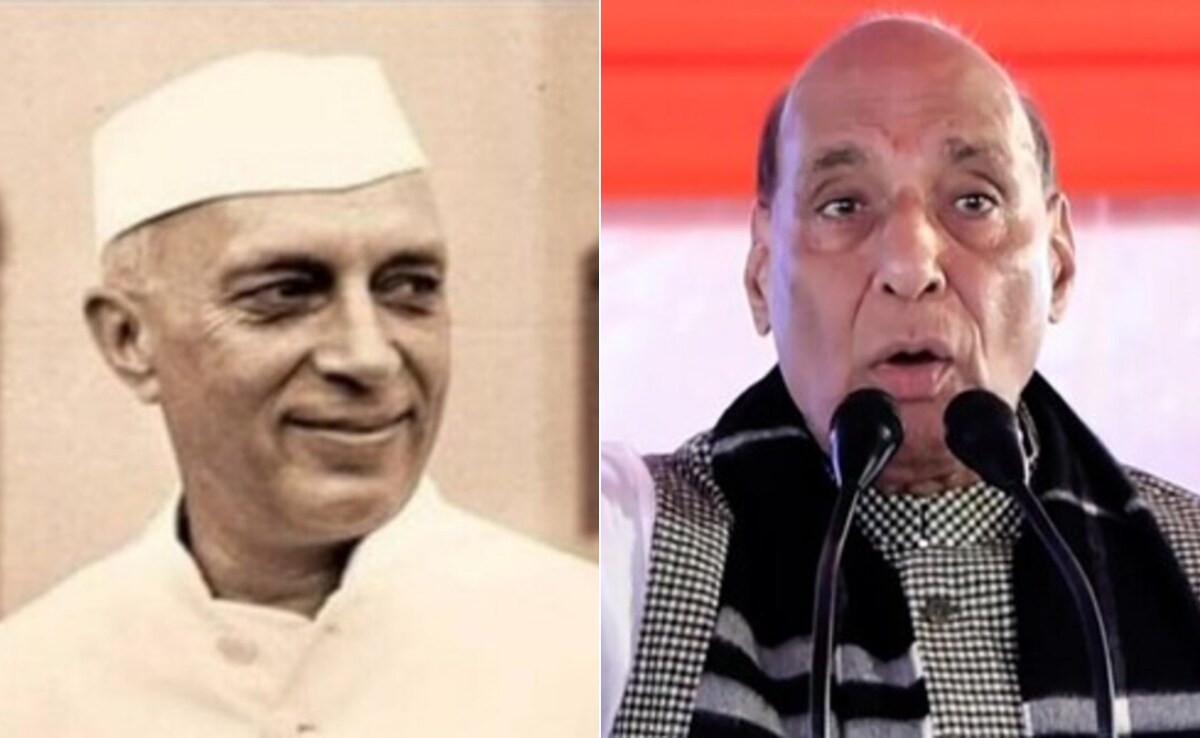
Congress has responded forcefully to Defence Minister Rajnath Singh's claim that Jawaharlal Nehru intended to rebuild the Babri Masjid using public funds. The controversy erupted after Singh's remarks during an event commemorating Sardar Vallabhbhai Patel's 150th birth anniversary.
On Wednesday, Congress leader Manickam Tagore took to X (formerly Twitter) to challenge this assertion, stating there exists "zero archival or documentary evidence" supporting such claims about India's first Prime Minister.
Tagore emphasized that Nehru consistently opposed utilizing government finances for religious establishments, including temple reconstruction. "He insisted it should be funded through public contributions, not the state," Tagore wrote in his post.
The Congress representative questioned the logic behind Singh's narrative: "If Nehruji refused public funds even for Somnath - a symbol revered by millions - why would he propose spending taxpayer money on Babri?"
During his speech near Vadodara, Rajnath Singh had claimed, "Pandit Jawaharlal Nehru wanted to rebuild the Babri Masjid using public funds. If anyone opposed this proposal, it was Sardar Vallabhbhai Patel, born to a Gujarati mother. He did not allow the Babri Masjid to be built using public funds."
Singh further asserted that temple construction was instead carried out through public donations. "A trust had been established. Not a single penny of government money was spent on this work. Similarly, the government didn't give a single rupee to construct the Ram temple in Ayodhya. The entire cost was borne by the people. This is called real secularism," the BJP leader stated.
Tagore firmly rejected these claims, suggesting they were politically motivated rather than historically accurate. "Rajnathji's statements aren't about history. They're about politics - rewriting the past to divide the present. The BJP's strategy is simple: insult our founders, invent stories, fuel polarisation."
Singh had also criticized "some forces" for allegedly attempting to erase Patel's legacy, claiming that Nehru had suggested using memorial funds collected for Patel to build wells and roads instead.
"What a farce! Building wells and roads is the government's responsibility. The suggestion of using memorial funds for that was absurd," Singh remarked during his speech.
In his rebuttal, Tagore emphasized the cordial relationship between Nehru and Patel, explaining that "Pandit Nehru's logic was simple: public money should not be spent on mosques, temples, churches, or gurudwaras. It should be people's contribution..."
Source: https://www.ndtv.com/india-news/jawaharlal-nehru-babri-masjid-gir-somath-temple-rajnath-singh-manickam-tagore-this-is-a-lie-congress-responds-to-rajnath-singh-9741946