
Bihar Election Likely After Chhath Puja, Diwali, Dates Out After Dussehra
- Date & Time:
- |
- Views: 50
- |
- From: India News Bull
New Delhi:
The Election Commission is expected to announce the 2025 Bihar Assembly election schedule after Dussehra, which falls on October 2 this year, according to sources who spoke to NDTV on Monday. Voting will likely occur across two phases during the first and second weeks of November, a departure from the three-phase approach used in the 2020 election, which was held on October 28, November 3, and November 7, with results declared on November 10.
Sources indicated that Chief Election Commissioner Gyanesh Kumar and the two Election Commissioners will soon visit Bihar to assess election preparations.
The election schedule will reportedly be planned around the important festivals of Chhath and Diwali, which collectively span from October 18 to October 28 this year.
With the current Assembly's term ending on November 22, a new Assembly must be elected and sworn in before this deadline.
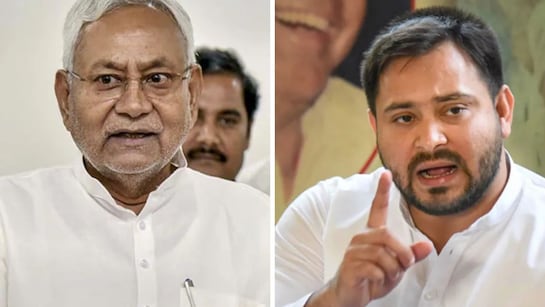
The 2025 Bihar election will pit the ruling coalition led by the Bharatiya Janata Party and Janata Dal United against the Mahagathbandhan alliance headed by the Congress and Rashtriya Janata Dal.
The election process will unfold amid a contentious political and legal controversy surrounding the Election Commission's 'special intensive revision' of Bihar's voter rolls.
Opposition parties have criticized this revision, alleging it aims to disenfranchise hundreds of thousands of voters from marginalized communities who might support them, adding to their existing complaints about 'voter fraud' in previous elections, including the Lok Sabha poll.
The Election Commission has defended the revision, stating it ensures only eligible Indian citizens can vote, citing the discovery of Nepali and Bangladeshi nationals on Bihar's voter lists. The revision reduced registered voters in Bihar from 7.9 crore to less than 7.24 crore.
According to the Election Commission, the 65 lakh voters removed included 22 lakh deceased individuals who remained on the lists, 36 lakh who had either permanently relocated from Bihar or could not be located, and approximately seven lakh who were found to be registered twice.
This voter roll revision has sparked intense debates and legal challenges in the Supreme Court, which recently ruled that while the process could potentially be revoked if illegality is proven, the court would not halt the revision, affirming the Election Commission's constitutional authority to revise voter lists as deemed necessary.
The 2020 election resulted in a narrow victory for the BJP-led alliance, which secured 125 seats (BJP 74, JDU 43, others eight) against the Mahagathbandhan's 110 seats (RJD 75, Congress 19, others 16).
JDU leader Nitish Kumar began his seventh term as Chief Minister aligned with the BJP but later switched to the Mahagathbandhan midway through his term. After helping establish the INDIA bloc to unite non-BJP parties, Nitish Kumar reversed course again two years later, returning to alliance with the BJP.
The 2025 Bihar election will initiate a series of significant Assembly polls over the next two years, with elections in Assam, Bengal, and Tamil Nadu scheduled for 2026, followed by Punjab, Uttar Pradesh, and other states in 2027, marking the extended build-up to the 2029 Lok Sabha election.