
Delhi's Comprehensive Winter Action Plan: Expanding Shelter Capacity and Protection for Vulnerable Citizens
- Date & Time:
- |
- Views: 41
- |
- From: India News Bull
Delhi experienced its coldest day of the season on December 1, with temperatures plummeting to 5.7 degrees Celsius. Though the mercury rose slightly to 9.6 degrees Celsius on Tuesday, it remained below normal seasonal averages.
In response to the falling temperatures, the Delhi government has enhanced its Winter Action Plan, expanding shelter capacity and implementing new guidelines for hospitals, schools, and Anganwadis.
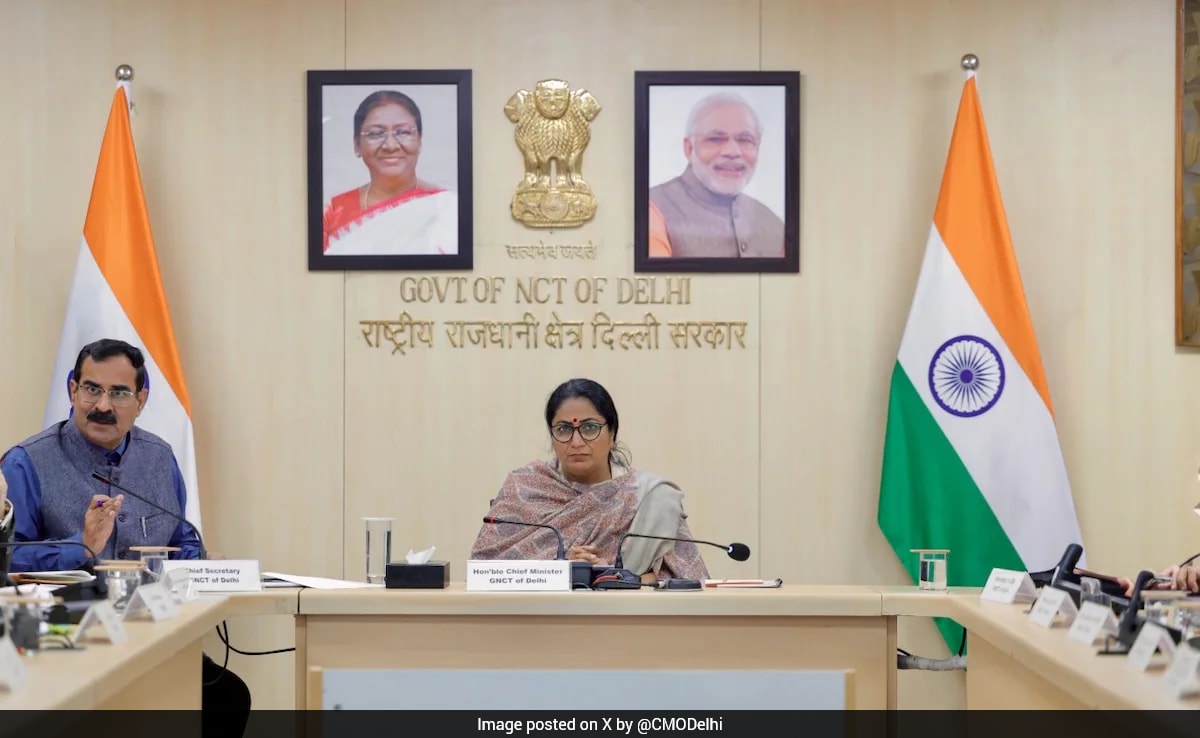
Chief Minister Rekha Gupta conducted a preparedness assessment at the Delhi Secretariat, instructing departments to address any deficiencies immediately.
"No citizen should be forced to endure winter nights under the open sky," she emphasized, noting that night shelters "represent dignity and security" for those most vulnerable.
The city has activated 197 permanent night shelters with capacity for approximately 18,000 individuals. Of the 250 temporary shelters planned for this winter season, 204 are already operational with essential amenities.
Every shelter has been equipped with blankets, mattresses, electricity, CCTV surveillance, mosquito prevention devices, and separate accommodations for women. The Rain Basera application continues to provide live updates on bed availability.
These shelters will undergo daily monitoring until March 15 to ensure no one remains exposed to the cold.
The health department has received instructions to prevent blanket shortages in hospitals and provide essential winter protection for patients. Officials have been directed to give priority to vulnerable populations including senior citizens, newborns, and emergency cases.
The Chief Minister also instructed officials to implement robust winter arrangements in schools and Anganwadi centers. Departments have been encouraged to develop CSR partnerships for winter supplies and implement localized measures to minimize children's exposure to cold conditions.
Security personnel stationed at government buildings, many of whom work extended outdoor shifts, will receive heaters and winter protection equipment.
Officials noted that this year's action plan encompasses a wider range of vulnerable groups compared to previous winters. Beyond homeless citizens, the government is monitoring conditions at hospitals, schools, Anganwadis, and public offices to prevent cold-related health issues.
Source: https://www.ndtv.com/india-news/more-beds-new-shelters-heaters-inside-delhis-winter-action-plan-9739249