
astronomy

NASA Prepares to Release New Images of Ancient Interstellar Comet 3I/ATLAS
Nov 19, 2025 09:04 pm CST
NASA is set to unveil new images of 3I/ATLAS, an interstellar comet estimated to be over 8 billion years old - predating our own solar system. Discovered in July by an ATLAS telescope in Chile, this is only the third confirmed interstellar object observed passing through our solar system. While some have speculated about potential alien origins, scientists confirm its behavior is consistent with a natural comet. The object poses no threat to Earth and is now exiting our solar system.
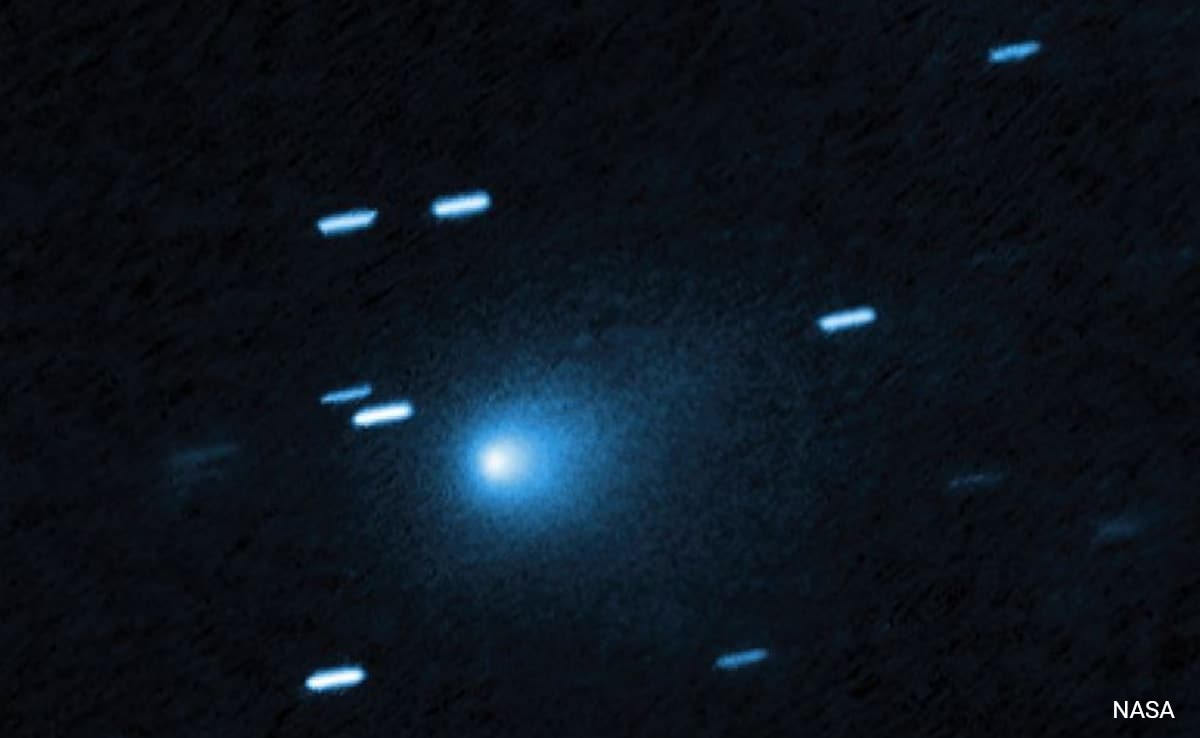
Is 3I/ATLAS an Extraordinary Interstellar Object? Harvard Astronomer Challenges Conventional Classification
Nov 18, 2025 08:31 pm CST
Harvard astronomer Avi Loeb questions the conventional classification of interstellar visitor 3I/ATLAS as a standard comet, highlighting its unusual chemical composition, massive size, and extraordinary jets extending toward the Sun. As it approaches Earth on December 19, scientists and amateur astronomers prepare for unprecedented observation opportunities that may reveal more about this mysterious object's true nature.
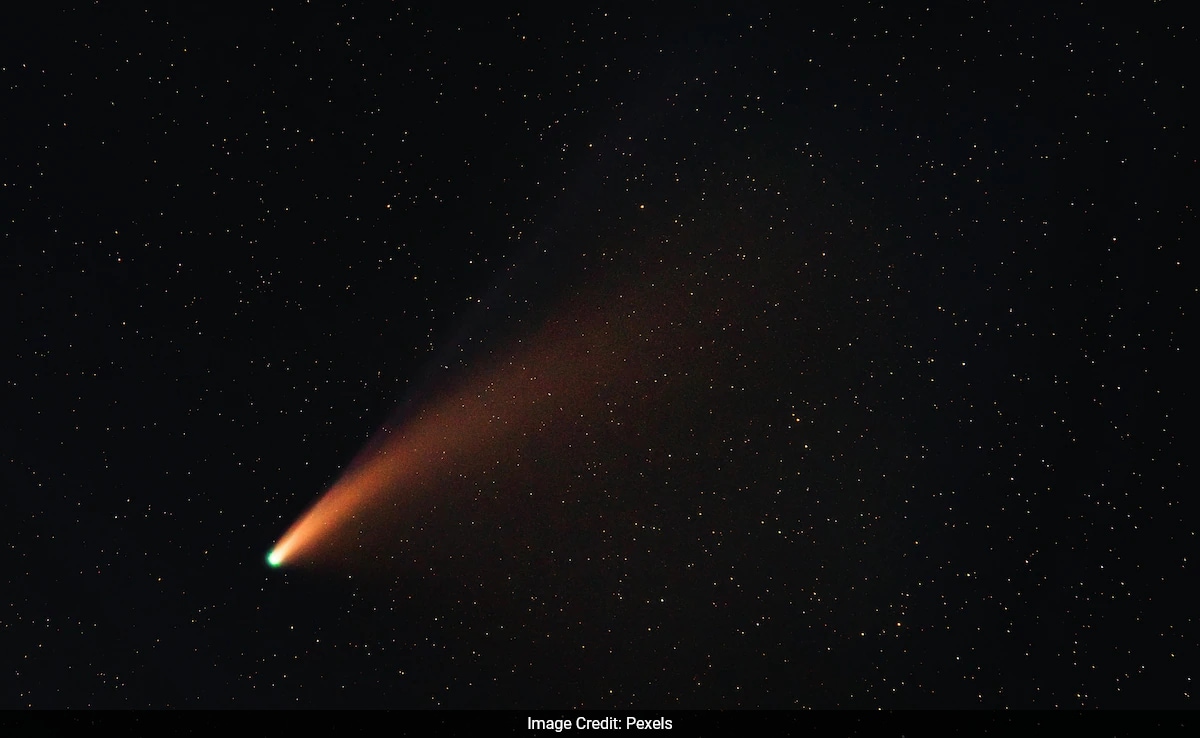
Mysterious Comet C/2025 V1 Approaches Earth: Similarities and Differences to Interstellar Object 3I/ATLAS
Nov 12, 2025 03:25 pm CST
A newly discovered comet, C/2025 V1 (Borisov), is racing through our solar system toward Earth and the Sun, exhibiting minor similarities to the interstellar object 3I/ATLAS. First spotted by amateur astronomer Gennadiy Borisov, the comet will make its closest approach to Earth on November 11 at a safe distance of 64 million miles. Harvard astrophysicist Avi Loeb describes it as "nearly interstellar" due to its highly inclined trajectory, though experts believe it originated within our solar system.

November's Closest Supermoon: A Spectacular Celestial Event You Won't Want to Miss
Nov 02, 2025 12:40 am CST
This Wednesday night presents a rare opportunity to witness the closest supermoon of the year, with our lunar neighbor approaching just under 222,000 miles from Earth. This celestial phenomenon will make the moon appear 14% larger and 30% brighter than its faintest state, creating a spectacular viewing experience visible without special equipment. Learn when and how to best observe this impressive astronomical event.
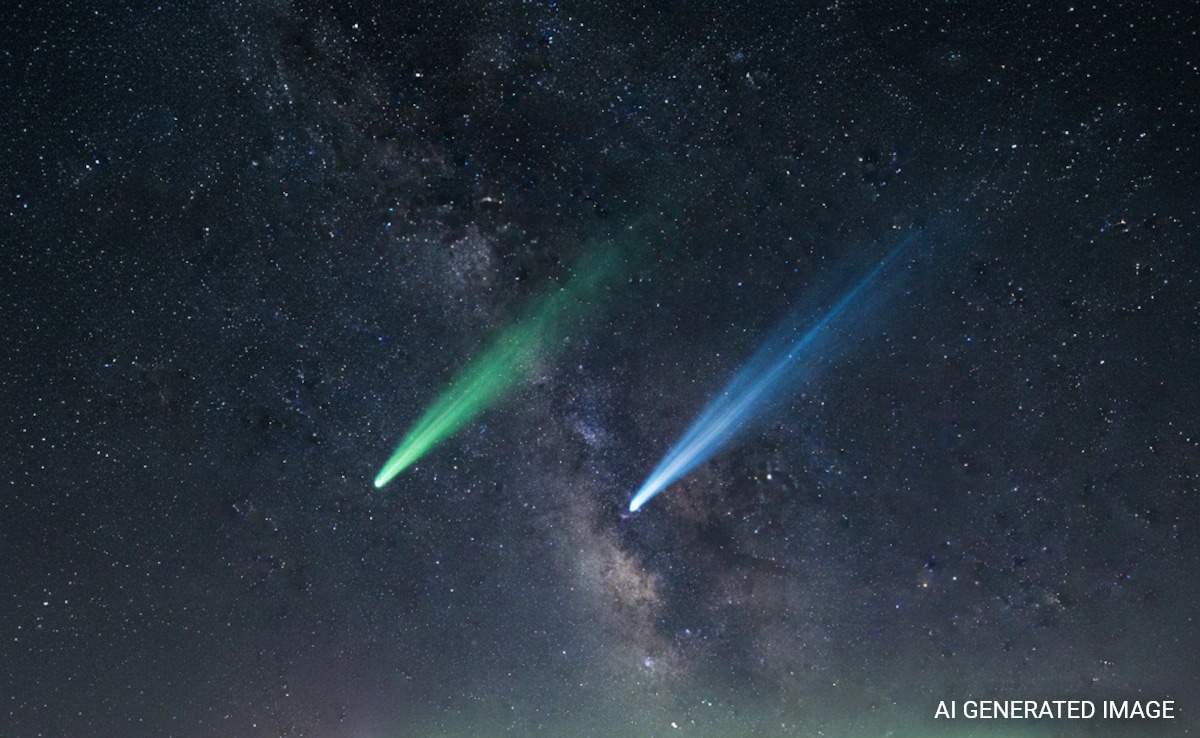
Double Green Comets Now Visible in Northern Hemisphere Skies: When and How to View This Rare Astronomical Event
Oct 16, 2025 11:01 pm CST
Two bright green comets, Lemmon and SWAN, are currently visible in the Northern Hemisphere night sky. These rare celestial visitors from the outer solar system can be observed simultaneously with binoculars through the end of the month. Learn when and where to look for these glowing cosmic snowballs as they make their closest approaches to Earth.

Evidence Points to Mysterious 'Planet Y' Lurking in Our Solar System's Outer Regions
Oct 04, 2025 02:21 pm CST
Astronomers have discovered compelling evidence suggesting the existence of a previously unknown celestial body dubbed 'Planet Y' in the distant regions of our solar system. This hypothetical planet, likely between Mercury and Earth in size, was inferred from the unusual 15-degree tilt observed in the orbits of approximately 50 Kuiper Belt objects beyond Neptune. While not yet directly observed, researchers believe Planet Y could coexist with the previously hypothesized Planet Nine, with the Vera C. Rubin Observatory potentially providing definitive evidence in its upcoming survey.

Not Like Venus Or Mars, Distant Exoplanet May Have Atmosphere Like Earth's
Sep 19, 2025 03:45 pm CST
A distant exoplanet might have an atmosphere similar to Earth's, early observations from the James Webb Space Telescope (JWST) suggest. It is part of a group of planets orbiting a star called TRAPPIST-1, about 40 light-years away from Earth.