
Navigating Trump's America: How Latin American Leaders Adapt to US Power Dynamics
- Date & Time:
- |
- Views: 64
- |
- From: India News Bull
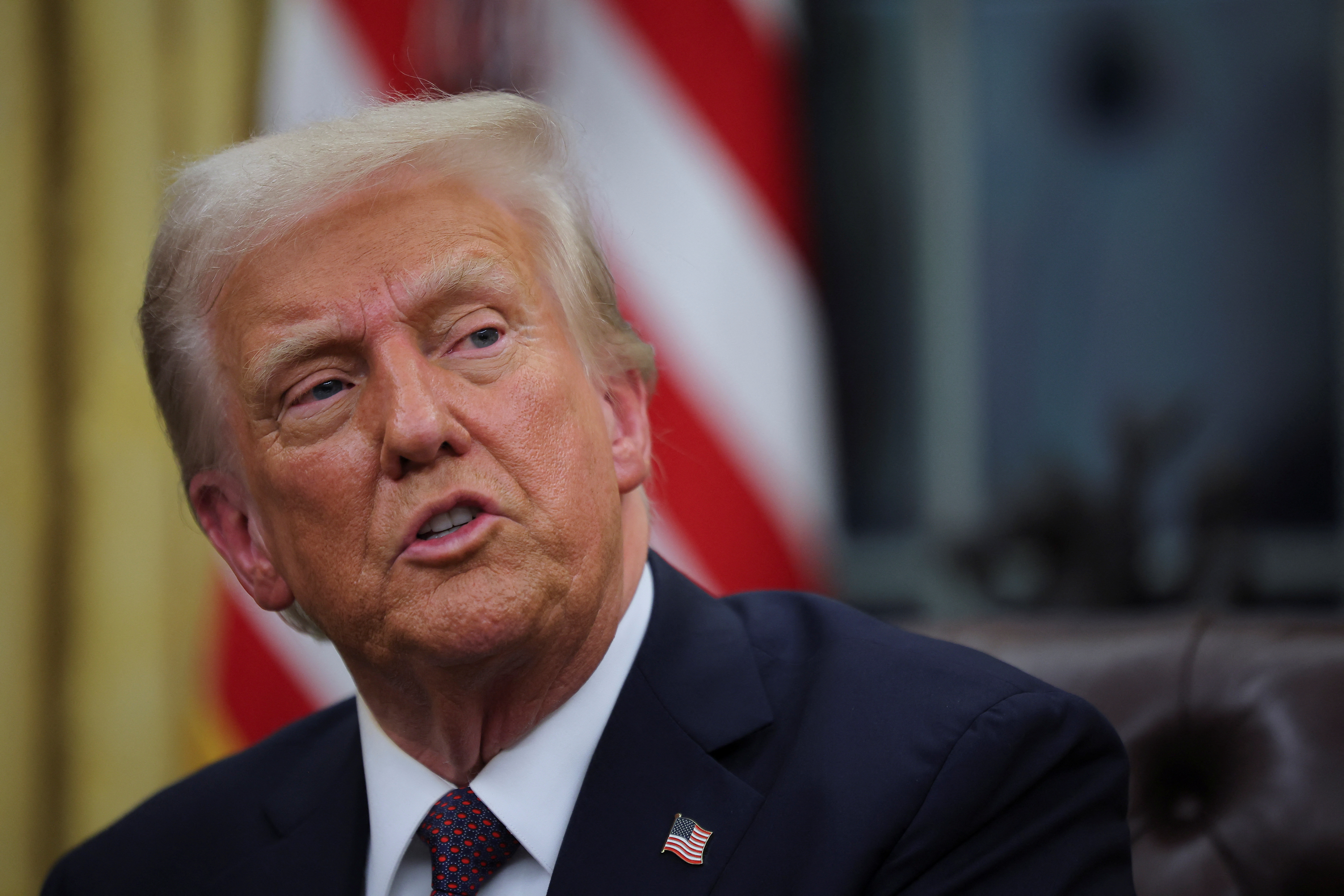
Latin American nations have employed diverse strategies to manage relations with Donald Trump's administration, which many perceive as returning to interventionist policies in what Trump officials call "our hemisphere."
The asymmetrical power relationship between the United States and Latin American countries has required varied diplomatic approaches across the region, according to Alejandro Frenkel, international relations professor at Argentina's San Martin University.
Argentina's President Javier Milei has positioned himself as an enthusiastic Trump ally. Seeking support for his economic revival plans, Milei offered preferential market access to US manufacturers. In return, Trump lifted restrictions on Argentine beef imports and provided significant financial assistance.
El Salvador's President Nayib Bukele has similarly aligned with Trump, accepting hundreds of deported migrants despite allegations of human rights abuses. This cooperation secured temporary protected status for over 200,000 Salvadorans in the US who send vital remittances home.
Ecuador's President Daniel Noboa praised Trump's military actions against suspected drug traffickers and agreed to accept deportees, gaining enhanced cooperation in Ecuador's anti-gang efforts.
In contrast, Colombia's leftist leader Gustavo Petro has openly challenged Trump, denouncing his migration policies and military strikes on alleged drug boats. Petro has pivoted toward China by joining its Belt and Road Initiative. The US responded with drug trafficking accusations and sanctions, though stopped short of more severe measures, possibly anticipating a right-wing government after Colombia's 2026 elections.
Brazil's President Lula da Silva has maintained a "pragmatic and firm" stance according to Oliver Stuenkel of the Getulio Vargas Foundation. When Trump imposed tariffs on Brazil over the coup trial of his ally Jair Bolsonaro, Lula condemned foreign "interference" but faced less pressure to make concessions than he might have decades ago, as China has surpassed the US as Brazil's top trading partner.
Mexico's President Claudia Sheinbaum has employed "silent diplomacy," addressing contentious issues privately while increasing intelligence sharing and drug enforcement cooperation. With over 80% of Mexican exports destined for the US, Sheinbaum has limited options but has resisted suggestions of "subordination" to US interests.
Panama's President Jose Raul Mulino withdrew from China's Belt and Road Initiative under US pressure and permitted the sale of Hong Kong-owned ports along the Panama Canal after Trump threatened American intervention.
Venezuela's President Nicolas Maduro faces unique challenges with a major US naval deployment in the Caribbean perceived as a potential threat to his regime. Despite releasing American prisoners and allowing Chevron to maintain operations, Venezuela remains cautious, with Guillaume Long of the Center for Economic and Policy Research noting they are "trying hard not to provoke the US."
Source: https://www.ndtv.com/world-news/from-flattery-to-silent-diplomacy-how-latin-america-is-tackling-trump-9700986