
Religious Extremism Rising: Bangladesh's 'Baul' Singer Arrest Sparks Fears of Emerging Fascism
- Date & Time:
- |
- Views: 70
- |
- From: India News Bull
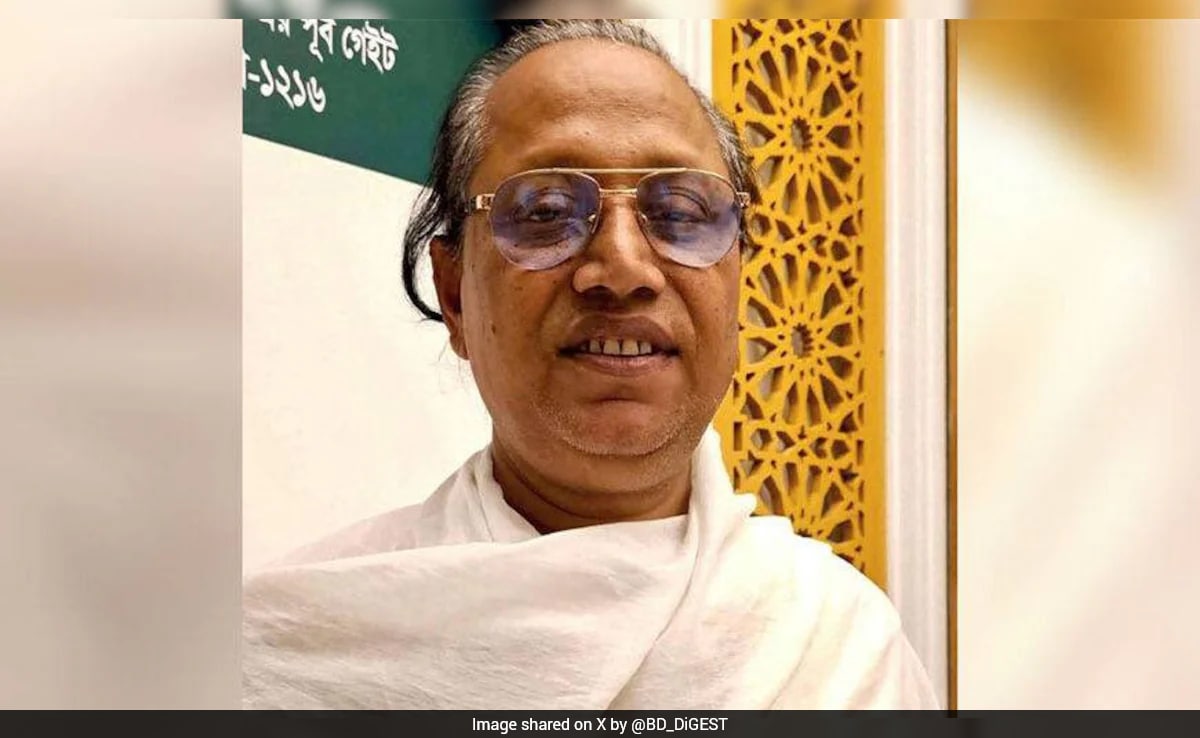
Since last year, mobs operating under the Tawhidi Janata banner have systematically disrupted cultural gatherings across Bangladesh.
Bangladesh faces fresh political turmoil following the arrest of prominent 'baul' singer Abul Sarkar on blasphemy charges related to alleged derogatory remarks during a performance. This arrest has triggered widespread protests and condemnation from civil society members, particularly students and artists, who warn that a new form of 'religious fascism' is taking root in Bangladesh following Sheikh Hasina's government removal.
On Monday, numerous distinguished Bangladeshi civil society figures united in denouncing Sarkar's arrest and subsequent Islamist attacks on fellow mystic minstrels. They claim religious tensions have escalated significantly under Muhammad Yunus's interim regime.
'Baul' singers represent mystic minstrel traditions from Bangladesh and West Bengal who utilize music and poetry to explore spiritual themes and seek liberation. The community is characterized by their unconventional lifestyle, influenced by both Hindu Vaishnavism and Islamic Sufism, with emphasis on finding divinity within oneself.
Sarkar, a celebrated Bangladeshi 'baul' performer, was arrested on November 20 during a music show in western Madaripur. The charges against him include "deliberately" inciting riots or violence and hurting religious sentiment. The action followed a criminal case filed by an imam and four others who claimed his performance insulted Islamic beliefs.
Two days after his arrest, Islamist mobs representing Tawhidi Janata attacked fellow singers during a street rally demanding Sarkar's release on Dhaka's northern outskirts, leaving four performers seriously wounded.
'Tawhidi Janata', meaning 'people following monotheism', has become increasingly active since Hasina's removal. These groups have disrupted cultural gatherings, demolished multiple Sufi saint shrines that represented moderate Islam, and carried out attacks targeting minority communities, particularly Hindus.
Academics and cultural experts note that 'bauls' like Lalan Shah, with their syncretic and liberal worldview, have existed in what is now Bangladesh far longer than the modern "puritan movements" represented by Tawhidi Janata.
On Monday, approximately 250 distinguished Bangladeshi citizens signed a statement declaring, "In the period following the July mass uprising (that toppled prime minister Sheikh Hasina's Awami League regime in 2024), religious extremism has surged."
The statement identified that a particular group has positioned itself as the 'sole agent' of Islam, embarking on a nationwide purge using the "weapon of choice" - inflaming public sentiment to create a "suffocating situation."
"Demolishing more than 200 shrines, declaring countless individuals murtad-kafir-shatim, exhuming and burning bodies, forcibly cutting the hair of 'bauls' and fakirs on the street, harassing women over movement and attire, and disrupting programmes involving dance, music, theatre, and even sports and fairs -- eradication of people of different opinions and practices appears to be their objective," stated these prominent public figures.
The statement, signed predominantly by academics who opposed the previous regime, including economist Professor Anu Mohammad and Professor Salimullah Khan, highlighted that authorities responsible for maintaining law and order were failing to take effective measures against "mob terror or vigilantism."
"Rather, from the outset they have encouraged it (mob violence) by maintaining silence -- trying to downplay incidents by calling them 'pressure groups' and even detaining victims or attacking survivors in fabricated cases," the statement continued.
Rights organization Ain o Salish Kendra (ASK) expressed "deep concerns" regarding the attacks on Sarkar's followers and admirers following his arrest.
The Bangladesh chapter of Berlin-based watchdog Transparency International stated that these developments reflect an alarming increase in hostility toward religious harmony.
Poet and activist Farhad Mazhar warned of emerging "religious fascism" in Bangladesh while participating in a protest rally in the capital, declaring, "Arresting him (Sarkar) means arresting me. I will not accept this." Notably, Mazhar is married to an advisory council member of interim government chief Professor Muhammad Yunus.
Left-leaning student groups and cultural activists organized separate torch marches in Dhaka and suburban Jahangirnagar University on Sunday evening to condemn attacks on singers.
Additionally, 'baul' singers and artists staged a demonstration outside the National Press Club in Dhaka on Sunday, protesting Sarkar's arrest. He is affectionately called "Moharaj" by his admirers.
Since last year, Tawhidi Janata mobs have systematically disrupted cultural events, demolished Sufi shrines representing moderate Islam, and attacked minority communities, particularly Hindus.
"I think the government's position here is problematic. They should be taking action against groups that resort to violence against others. And there is also a question of why such cases are being accepted so easily," lawyer Sara Hossain told The Business Standard newspaper.
She noted that over the past year, much has been said about freedom of expression, questioning "what it means, how it was suppressed, and how it was enforced."
Cultural affairs adviser Mostofa Sarwar Farooki, effectively a minister in the interim government, stated on Facebook that the "Ministry of Home Affairs is trying to handle this 'extremely delicate and sensitive matter' with the utmost responsibility."
He added that persecution of 'bauls' was not unprecedented and had occurred under multiple previous governments, including the ousted Awami League.
"You will find numerous instances where 'bauls' were attacked – their hair cut off, their instruments destroyed." Yunus's press secretary, Shafiqul Alam, described the attack as "deplorable," adding that the administration was working to identify those involved.
The Business Standard newspaper commented, "Condemnation without action rings hollow – especially when attackers operate publicly and with apparent impunity." The publication specifically called Farooki's statement a "rather poor defence for a government which came on the promises of undoing all ills of Awami League."
Source: https://www.ndtv.com/world-news/bangladesh-news-fascism-emerging-chorus-in-dhaka-after-baul-singer-maharaj-abul-sarkars-arrest-9696108