
Japan's First Female Prime Minister Confronts Historical Ban on Women in Sumo Ring
- Date & Time:
- |
- Views: 88
- |
- From: India News Bull
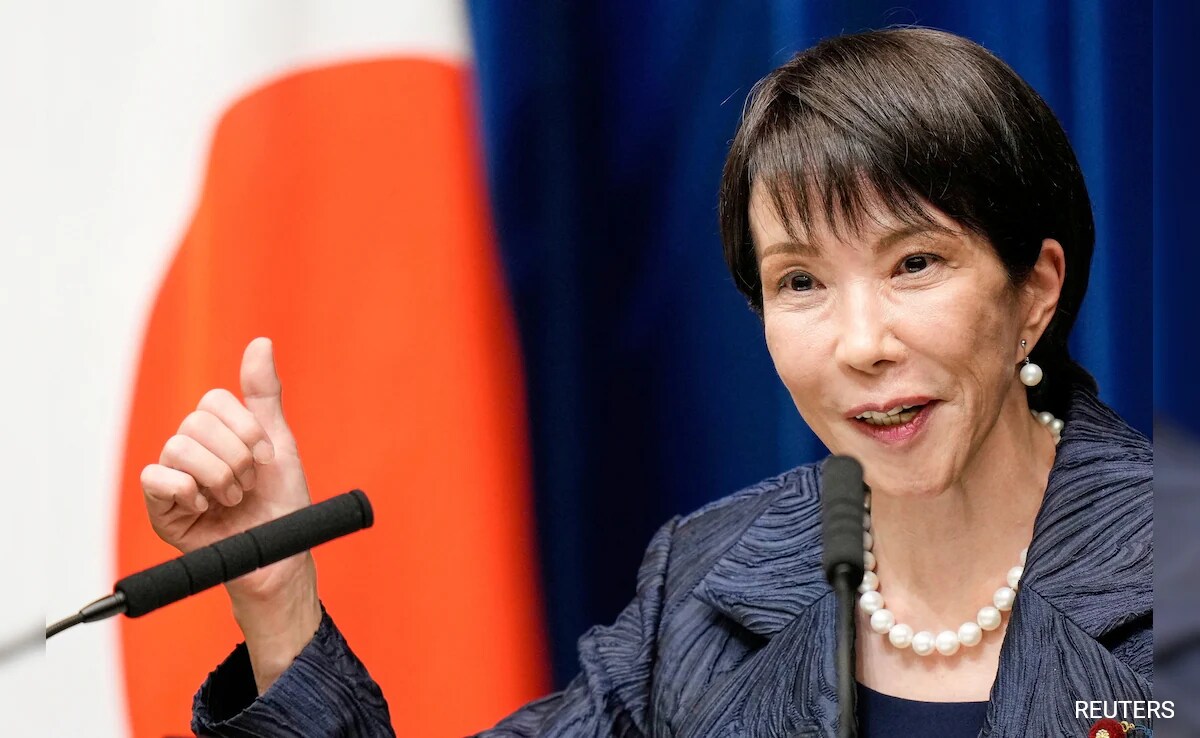
Top government spokesperson has indicated Sanae Takaichi is not considering stepping into the sumo ring.
As Japan's first female prime minister, Sanae Takaichi made history in October 2025. Now she faces another potential milestone: whether to challenge the traditional taboo that prohibits women from entering the sacred sumo ring.
The winner of the Kyushu Grand Sumo Tournament will receive the Prime Minister's Cup, which male predecessors like Junichiro Koizumi have personally presented inside the ring. However, Takaichi will not face this decision immediately as she returns from the G20 summit in South Africa after the tournament concludes.
Takaichi, known for her conservative stance supporting Japan's traditional gender roles, will have her first opportunity to address this issue at the New Year's tournament in Tokyo. Chief Cabinet Secretary Minoru Kihara has suggested she will "respect the tradition of sumo culture," indicating she may not challenge the ban.
The debate around female exclusion has intensified with a woman now leading Japan. Critics argue that such prohibitions in sumo and other religious contexts are increasingly out of step with women's evolving role in Japanese society.
The controversy extends beyond sumo. For centuries, Japanese women have been barred from certain holy mountains, religious training sessions, temples, shrines, and festivals. According to Naoko Kobayashi, an expert on religion and gender at Aichi Gakuin University, these restrictions stem from beliefs about female "impurity" associated with menstruation and childbirth, as well as misogynistic Buddhist perspectives.
While many of these prohibitions have been eliminated over time, they persist in certain shrines and festivals. Most of these bans originated during or after the 19th century Meiji era and have endured partly because women were historically excluded from religious and political decision-making.
Sumo's deep connection to Shinto, Japan's indigenous religion, is central to the controversy. Dating back 1,500 years, sumo began as a ritual dedicated to kami (spirits), including prayers for good harvests. The dohyo (sumo ring) is considered a sacred space, with its rice-straw boundary separating the pure inner sanctuary from the outside world.
The Japan Sumo Association denies the ban is based on notions of female impurity. Association chief Nobuyoshi Hakkaku stated in 2018 that sumo rituals are connected to folk beliefs about harvest gratitude rather than rigid religious principles. "The rule that makes the dohyo a serious battleground for men is only natural for wrestlers," he said, describing it as "a male-only world."
Historical records challenge this perspective. According to the "Ancient Chronicles of Japan," female court members were actually the first to perform sumo at an emperor's request, and 16th-century documents record female sumo wrestlers.
Modern challenges to the ban began in 1978 when labor ministry bureaucrat Mayumi Moriyama protested after a girl who won a local children's sumo competition was barred from advancing to finals in a real sumo ring. In 1990, as government spokesperson, Moriyama was denied her request to enter the ring for the Prime Minister's Cup presentation.
A 2018 incident brought renewed attention to the issue when female medical professionals rushing to help a collapsed mayor inside the ring were ordered to leave. Days later, Tomoko Nakagawa, then-mayor of Takarazuka city, was forced to give her speech from outside the ring at an exhibition tournament.
Although the sumo association apologized and formed a panel to examine the female ban, seven years later, a decision remains pending. Professor Kobayashi notes that "excluding women under the premise of male-centered traditions and customs can be no longer justified under the values of the times."
Takaichi herself is not known as a feminist. She supports traditional family values and male-only succession for Japan's monarchy. She also opposes changing a 19th-century law that would allow married couples to maintain separate surnames.
As Takaichi seeks to maintain support from conservative voters, challenging sumo's traditions could potentially damage her standing with this base. While she has not directly addressed how she will handle future trophy presentations, her government's statements suggest she will likely honor the male-only tradition.
Source: https://www.ndtv.com/world-news/japans-1st-female-leader-faces-a-taboo-over-entering-male-only-sumo-ring-9681486