
New Drugs, Early Diagnosis: The Progress Against Alzheimer's Disease
- Date & Time:
- |
- Views: 63
- |
- From: India News Bull
Billions have been invested in finding treatments for Alzheimer's disease, a leading cause of dementia and mortality among elderly populations.
Recent breakthroughs have offered new hope to patients battling this debilitating condition - two novel medications and an innovative blood test have emerged after decades of research setbacks, though questions persist about their efficacy.
The path to a complete cure remains distant for Alzheimer's, which constitutes approximately 70 percent of worldwide dementia cases and ranks among the primary causes of death in older adults.
As Alzheimer's Day approaches this Sunday, here's an overview of recent advancements in prevention, diagnosis, and treatment of the disease.
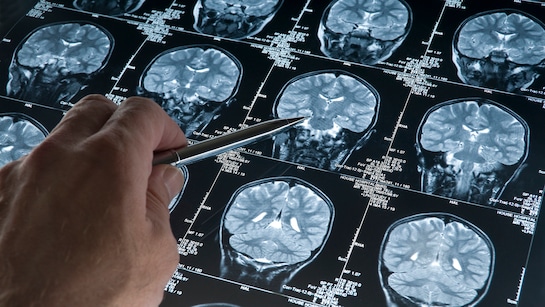
Despite decades of substantial financial investment in Alzheimer's research with limited success, recent developments have finally shown promise.
Donanemab by Eli Lilly and lecanemab from Biogen and Eisai represent the first treatments demonstrably capable of significantly decelerating Alzheimer's progression.
However, these costly medications offer only moderate effectiveness and are suitable exclusively for early-stage patients. They also carry risks of serious adverse effects, including potentially fatal brain hemorrhages.
This risk-benefit profile has sparked controversy, resulting in varying positions from health regulatory bodies across different countries.
Lecanemab, marketed as Leqembi, has received approval in numerous countries including the United States.
French health authorities, however, have advised against state insurance reimbursement for the medication.
Similarly, the UK's national health service watchdog determined earlier this year that both new Alzheimer's drugs failed to demonstrate sufficient benefits relative to their cost.
Another contentious area in Alzheimer's research - which has highlighted growing differences between European and American approaches - concerns diagnostic methodologies.
Traditionally, diagnosing Alzheimer's has required an invasive and expensive lumbar puncture procedure, which some high-risk patients cannot undergo.
Recently, a simple blood test detecting "biological markers" of the disease has been developed.
While US authorities have permitted this test since May, European regulators haven't yet approved any Alzheimer's blood tests, though one is currently undergoing a national clinical trial in Britain.
The fundamental question remains whether blood testing alone can provide sufficient diagnostic certainty.
The US-based Alzheimer's Association modified its criteria last year to indicate that biomarkers independently could be adequate for diagnosis.
In contrast, most European specialists maintain that comprehensive clinical examination remains necessary to confirm cognitive and functional decline.
Many patients "with abnormal biomarkers never develop dementia," Dutch neurologist Edo Richard told AFP.
Richard also expresses skepticism regarding the two new Alzheimer's medications.
These issues are interconnected, as advocates for the medications believe that early diagnosis, before noticeable symptoms appear, could enhance treatment effectiveness.
There is broad consensus regarding factors that increase Alzheimer's and dementia risk.
Nearly half of all cases are associated with factors such as obesity, smoking, alcohol consumption, physical inactivity, and hearing impairment, according to an expert review published in The Lancet last year.
Growing research aims to determine whether programs promoting exercise and improved nutrition effectively combat Alzheimer's.
However, randomized controlled trials "targeting these risk factors have shown limited to no effects on cognitive decline or dementia," according to Richard.
A recent JAMA study revealed slight deceleration in cognitive decline among Alzheimer's patients who underwent two years of intensive support for healthier lifestyle practices.
For Alzheimer's patients and their families, such progress may seem modest, acknowledged French epidemiologist Cecilia Samieri at a conference this month.
However, compared to the situation just a few years ago, "it's already huge," Samieri noted.
She expressed belief that only extended trials lasting 10-15 years could truly demonstrate the effectiveness of such interventions against slowly developing conditions like Alzheimer's.