
Utqiagvik, Alaska Enters 64-Day Polar Night: How Residents Live Without Sunlight Until 2026
- Date & Time:
- |
- Views: 38
- |
- From: India News Bull
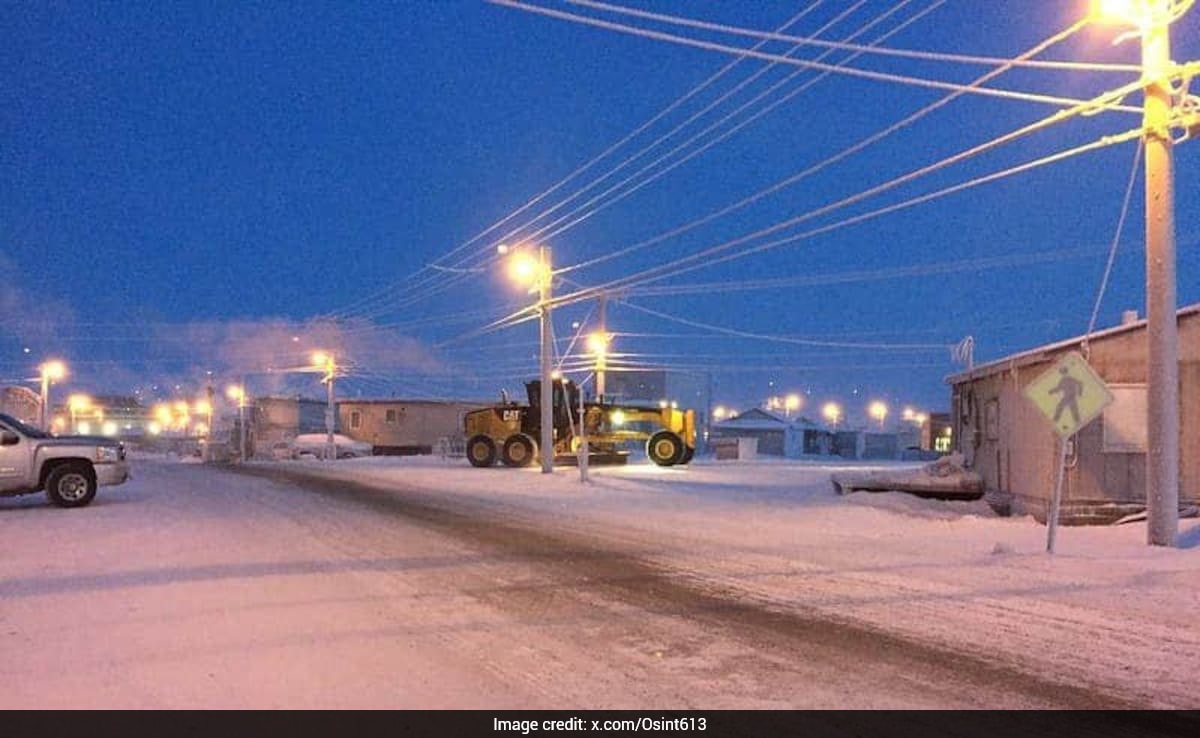
The American city of Utqiagvik, Alaska is entering its annual Polar Night period, during which residents will not see the sun for 64 consecutive days. This remarkable phenomenon is caused by Earth's axial tilt, resulting in the northernmost U.S. settlement being plunged into extended darkness until January 22, 2026.
Located approximately 500 miles northwest of Fairbanks on Alaska's North Slope near the Arctic Ocean, Utqiagvik (formerly known as Barrow) is home to around 4,400 people who are accustomed to such extreme conditions. While direct sunlight will be absent, residents will experience several hours of civil twilight daily—a soft blue illumination that typically appears before dawn.
The absence of sunlight significantly impacts local temperatures, which drop dramatically without daytime heating. This Polar Night plays a fundamental role in forming the polar vortex, a circulation of cold air over the North Pole that influences weather patterns across the Northern Hemisphere. Occasionally, this frigid air descends from the stratosphere and moves southward over the continental United States.
Utqiagvik's location at 71.17 degrees north latitude places it well within the Arctic Circle, making it subject to this extreme seasonal darkness. The phenomenon occurs because areas within 23.5 degrees of the North Pole are blocked from receiving sunlight by Earth itself near the winter solstice.
The harsh climate is evident in local temperature patterns—approximately 25% of all days never rise above zero degrees, while sea temperatures exceed freezing only 37% of the time. However, the community has adapted to these conditions and maintains a rich cultural heritage, with archaeological sites dating back to 500 CE.
In stark contrast to its dark winters, Utqiagvik experiences nearly three months of continuous sunlight during summer. Life in the community continues despite the darkness, with residents maintaining normal activities—the town even hosts America's northernmost high school football team at Barrow High School.
When the long night finally ends, Utqiagvik's next sunrise will occur at approximately 1:23 p.m. local time on January 26, 2026, concluding this extended period of darkness.
Source: https://www.ndtv.com/world-news/as-polar-night-begins-this-city-wont-see-sun-for-next-64-days-9674315