
UK Prime Minister Keir Starmer Faces Leadership Crisis: Analysis of Labour's Political Turmoil
- Date & Time:
- |
- Views: 70
- |
- From: India News Bull
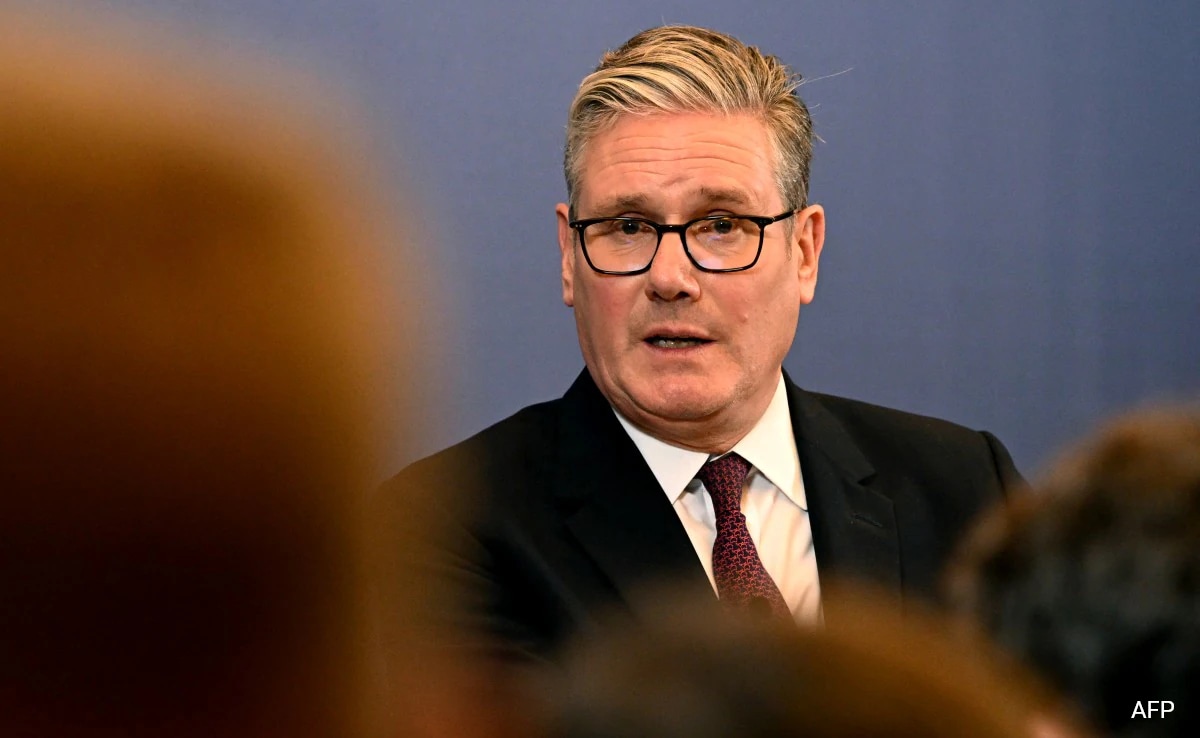
In July 2024, Keir Starmer led the Labour Party to a landslide victory, securing power with overwhelming parliamentary numbers.
The British Labour Prime Minister is now facing significant challenges despite his recent electoral success. After sweeping to power in July 2024, Starmer's government won an impressive 411 out of 650 parliamentary seats, establishing a formidable 174-seat majority.
Elected on a promise of "change," the ironic reality is that the most likely transformation ahead could be Starmer himself being removed from office.
Several factors explain this rapid political deterioration. Firstly, Starmer's majority contains an inherent paradox. While Labour commands a strong parliamentary presence, they secured only 33.7% of the popular vote—a record low. The Conservatives performed even worse with 23.7%, while Reform UK and the Liberal Democrats gained 14.3% and 12.2% respectively, indicating a fragmented political landscape.
This electoral arithmetic means many Labour MPs hold seats with extremely thin margins. Current polling suggests Labour could be reduced to just over 100 seats in a future election, leaving many parliamentarians with little to lose by challenging their leader.
Secondly, the government has stumbled through numerous policy missteps and reversals that have eroded public confidence. A particularly controversial welfare reform targeting Personal Independence Payments provoked internal rebellion, with over 120 MPs signing a "wrecking amendment" to the government's flagship welfare legislation.
This proposal, against the backdrop of increased defense spending commitments, was widely perceived as targeting vulnerable citizens. Similarly, Chancellor Rachel Reeves, who cultivated an image of fiscal discipline, was forced to backtrack on cuts to winter fuel payments for pensioners.
Labour had promised not to increase several key taxes during the 2024 election campaign. Now, Reeves indicates she may break this pledge in the upcoming budget. The government has also been forced to shift positions on other contentious issues including gender identity policies and addressing historical "grooming gangs."
Thirdly, personnel problems have compounded Starmer's difficulties. The resignation of popular Deputy Leader Angela Rayner damaged the administration, especially as her replacement, Lucy Powell, was not Starmer's preferred choice. While attempting to stabilize his leadership by bringing in New Labour veterans, his appointment of Peter Mandelson as US ambassador backfired due to Mandelson's connections to Jeffrey Epstein.
Fourthly, structural economic challenges require patient recalibration. Government debt as a share of GDP has skyrocketed from 35% when Tony Blair took office in 1997 to 96% by 2024. Critics argue that Starmer and Reeves have exacerbated these difficulties through excessive fiscal conservatism, particularly by maintaining the National Insurance tax cuts implemented by their Conservative predecessors, limiting flexibility for new spending initiatives.
According to Labour Party rules, challenging Starmer requires 20% of Labour MPs (currently 81) to support an alternative leader. While no sitting Labour prime minister has ever been removed as party leader, the current situation appears increasingly precarious.
British MPs are likely mindful of Australia's Labor Party turmoil between 2007-2013, when leadership changed from Kevin Rudd to Julia Gillard and back again, prompting rule changes that established higher thresholds for leadership challenges.
Potential challengers must carefully weigh their options. A new leader might enjoy a brief honeymoon period but would quickly need to demonstrate substantive results to have any chance at the 2029 general election. Unless they shift from the current fiscal approach and pursue deeper structural reforms, they would merely present a new face confronting identical problems.
Westminster is rife with speculation about maneuvers from both left and right factions. Briefings against Health Secretary Wes Streeting appear to have backfired; Streeting would likely secure right-wing support within the party and is considered more articulate than Starmer. Former Deputy Leader Angela Rayner has been suggested as a potential "stop Wes" candidate.
Manchester Mayor Andy Burnham is frequently mentioned as a possible leader, though he would need to secure a parliamentary seat first. Home Secretary Shabana Mahmood has been identified as a potential "stalking horse" candidate. With Nigel Farage's Reform Party rising and the prospect of a single-term government looming, challengers might consider the risk worthwhile.
For Starmer to survive, he needs Reeves to deliver a robust budget, establish stronger discipline within Downing Street, and hope for improved results in the May 2026 local elections.
Source: https://www.ndtv.com/world-news/keir-starmers-prime-ministership-is-in-danger-decoding-what-went-wrong-9667865