
India's Legal Options: Can Sheikh Hasina Be Extradited to Bangladesh Under Bilateral Treaty Provisions?
- Date & Time:
- |
- Views: 66
- |
- From: India News Bull
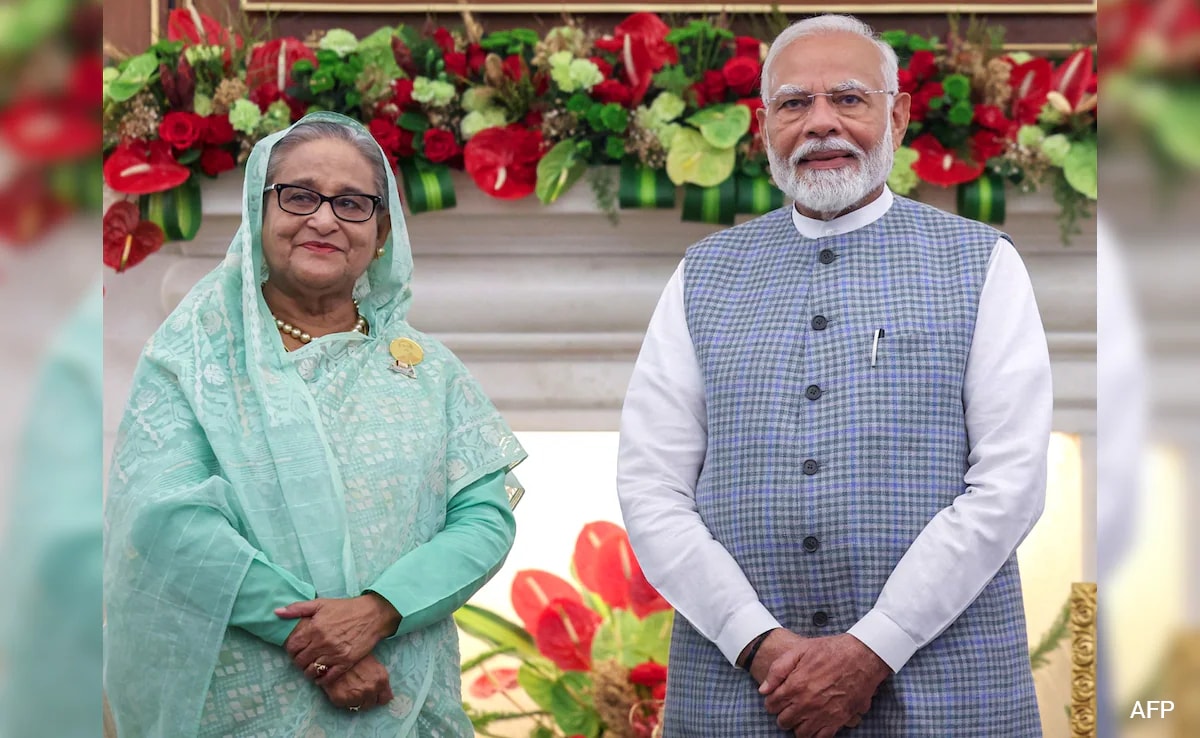
Sheikh Hasina, Bangladesh's ousted prime minister, cannot appeal her death sentence verdict unless she surrenders or is arrested within 30 days of the judgment.
Following Sheikh Hasina's sentencing to death in absentia for "crimes against humanity," Bangladesh's interim government has formally requested India to extradite the deposed leader. Hasina has been residing in exile in India since August 5 last year, when she fled Bangladesh amid a student-led uprising that ended her 15-year tenure.
Both Hasina and her former home minister Asaduzzaman Khan Kamal, also believed to be in India, were previously declared fugitives by the court.
Hasina was convicted on five charges of crimes against humanity and sentenced to imprisonment until natural death for making inflammatory remarks and ordering the suppression of student protesters through lethal means including helicopters, drones, and weapons.
The death penalty was specifically imposed for her role in the shooting and killing of six protesters in Dhaka's Chankharpul area on August 5 last year. Chief prosecutor Tajul Islam described Hasina as "the nucleus around whom all the crimes were committed" during the uprising.
In response, Hasina maintained that the charges were unjustified, stating that she and Khan "acted in good faith and were trying to minimize the loss of life." She further explained, "We lost control of the situation, but to characterize what happened as a premeditated assault on citizens is simply to misread the facts." Her statement denounced the verdict as "biased and politically motivated."
Her Awami League party called for a national shutdown to protest the verdict. At 78 years old, Hasina cannot appeal unless she surrenders or is arrested within 30 days of the judgment.
Bangladesh's Foreign Ministry issued a statement urging the Indian government to "immediately hand over these two convicted individuals to the Bangladeshi authorities." The statement emphasized that the existing bilateral extradition agreement makes transferring the convicts a "compulsory responsibility" for New Delhi, and warned that sheltering individuals convicted of crimes against humanity would be considered an "unfriendly" act and disregard for justice.
India's Ministry of External Affairs acknowledged the verdict, stating: "India has noted the verdict announced by the 'International Crimes Tribunal of Bangladesh' concerning former prime minister Sheikh Hasina." The statement continued, "As a close neighbour, India remains committed to the best interests of the people of Bangladesh, including peace, democracy, inclusion and stability in that country. We will always engage constructively with all stakeholders to that end." Notably, India did not directly address Bangladesh's extradition request.
Despite extradition requests generally being honored in good faith between nations, it seems unlikely that New Delhi will extradite Hasina. Both Indian law and the bilateral treaty provide India with significant discretion, particularly in cases that could be deemed politically motivated or unjust.
The India-Bangladesh Extradition Treaty, signed in 2013 and amended in 2016, requires dual criminality—meaning the offense must be punishable under both countries' laws. This provision gives Delhi room to potentially deny extradition if Hasina's charges don't align with India's domestic legal framework.
Article 8 of the treaty permits refusal if the accused can demonstrate the extradition would be "unjust or oppressive." This could apply if the accusation lacks good faith or if the person might face political persecution.
While Article 6 allows refusal if the offense is of a "political nature," it specifically excludes serious crimes like murder, terrorism, and kidnapping from this exemption. Since most charges against Hasina involve murder, enforced disappearance, and torture, this provision likely won't support refusing extradition.
Article 7 provides another potential basis for refusal if India can prosecute the accused instead.
India's Extradition Act of 1962 further empowers the government to deny extradition requests that appear trivial, politically motivated, made in bad faith, or contrary to the interests of justice. Section 29 specifically grants the Central Government authority to stay proceedings "at any time," cancel warrants, or discharge the individual sought for extradition.
Source: https://www.ndtv.com/world-news/can-india-deny-dhakas-request-to-extradite-sheikh-hasina-what-rules-say-9656265