
Trump Confirms Sale of Advanced F-35 Fighter Jets to Saudi Arabia Ahead of Crown Prince's Visit
- Date & Time:
- |
- Views: 54
- |
- From: India News Bull
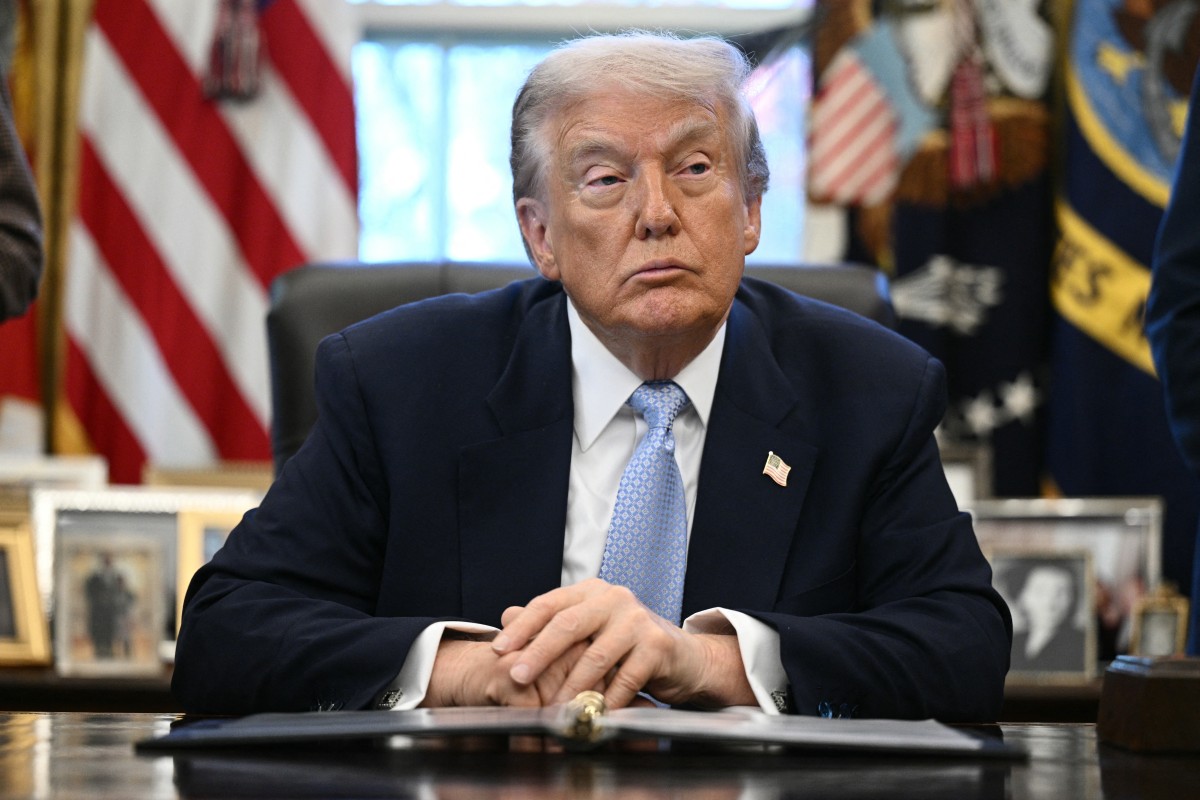
President Donald Trump announced on Monday that the United States will proceed with selling F-35 fighter jets to Saudi Arabia, despite concerns within his administration about potential Chinese access to the advanced weapons technology.
The declaration came just before Saudi Crown Prince Mohammed bin Salman's highly anticipated visit to Washington, his first trip to the United States in over seven years.
"I will say that that we will be doing that," Trump confirmed when questioned about selling the jets to Saudi Arabia. "We'll be selling F-35s."
This fighter jet deal represents one of several major agreements between the two nations expected to be announced during the Crown Prince's visit.
Saudi Arabia is anticipated to reveal a multibillion-dollar investment in American artificial intelligence infrastructure. Additionally, both countries will outline details regarding new cooperation in the civil nuclear energy sector, according to a senior Trump administration official speaking on condition of anonymity.
The Crown Prince reportedly arrived with specific requests, including formal assurances defining the scope of U.S. military protection for Saudi Arabia, alongside the agreement to purchase the F-35 fighter jets, considered among the world's most advanced aircraft.
Trump's Republican administration has expressed caution about disrupting Israel's qualitative military edge over neighboring countries, particularly as Trump relies on Israeli support for his Gaza peace plan.
Another significant concern that previously halted a similar sale to the United Arab Emirates involves the risk of F-35 technology being transferred to China, which maintains close relationships with both the UAE and Saudi Arabia, according to three administration officials who discussed internal deliberations anonymously.
Saudi Arabia and China conducted joint naval exercises hosted by the kingdom last month. Beijing also helped mediate a 2023 agreement between Saudi Arabia and Iran to restore diplomatic relations amid ongoing tensions.
While China surpassed the United States last year as Saudi Arabia's primary trade partner, America remains Riyadh's preferred nation for arms purchases.
Bradley Bowman, senior director at the Foundation for Defense of Democracies' Center on Military and Political Power, suggested Congress might press the administration to detail Saudi assurances regarding its relationship with China. He added that the White House likely faces questions about maintaining Israel's qualitative military edge.
Trump's announcement coincides with his efforts to persuade Saudi Arabia and Israel to normalize diplomatic relations.
He has emphasized his intention to extend the Abraham Accords—the initiative that established formal commercial and diplomatic ties between Israel and several Arab nations during his first term—as essential for bringing lasting stability to the Middle East, particularly as the fragile Gaza ceasefire continues.
"I hope that Saudi Arabia will be going into the Abraham Accords very shortly," Trump told reporters aboard Air Force One on Friday while traveling to Florida.
Despite Trump's optimism about a potential U.S.-brokered deal, internal assessments remain more cautious.
Saudi officials have clearly stated that a guaranteed path to Palestinian statehood remains a condition for joining the accords—a proposition Israel strongly opposes.
On Monday, the U.N. Security Council approved an American plan for Gaza authorizing an international stabilization force and envisioning a possible path toward an independent Palestinian state.
Officials acknowledge Saudi Arabia is unlikely to join the accords imminently, though cautious optimism exists that an agreement might be reached by the end of Trump's second presidential term.
"Let's hope that President Trump makes clear that the first F-35 will not be delivered until Saudi Arabia normalizes relations with Israel," Bowman commented. "Otherwise, the president will undercut his own leverage."
The Trump administration formally notified Congress in November 2020 about plans to sell 50 stealth F-35 fighter jets to the United Arab Emirates as part of a broader $23 billion arms deal aimed at deterring potential Iranian threats, despite concerns raised by Israel.
That announcement followed Trump's 2020 election loss to Joe Biden and the signing of the Abraham Accords with the UAE. Biden subsequently placed a hold on the sale after taking office in January 2021.
Trump's current move will likely draw scrutiny from human rights organizations as Prince Mohammed's visit represents his first to Washington since 2018.
During his previous visit, the Crown Prince conducted a three-week American tour aimed at improving Saudi Arabia's perception among Americans concerned about the kingdom's conservative social policies, treatment of women, and the fact that 15 of the 19 hijackers in the September 11, 2001, attacks were Saudi citizens.
The kingdom's reputation suffered further damage months after Prince Mohammed's last Washington visit with the killing and dismemberment of Washington Post columnist Jamal Khashoggi at the Saudi consulate in Turkey—an operation that U.S. intelligence agencies later determined the Crown Prince likely directed, though he has denied involvement.
Seven years later, Trump has seemingly cleared away these tensions in the U.S.-Saudi relationship, strengthening his embrace of the 40-year-old Crown Prince whom he views as an indispensable player in shaping the Middle East's future.
"They have been a great ally," Trump stated.
Source: https://www.ndtv.com/world-news/donald-trump-says-us-will-sell-f-35-fighter-jets-to-saudi-arabia-ahead-of-saudi-crown-prince-mohammed-bin-salman-white-house-visit-9653517