
The Dangerous Revival: How Southeast Asia Is Rehabilitating Its Authoritarian Past
- Date & Time:
- |
- Views: 53
- |
- From: India News Bull
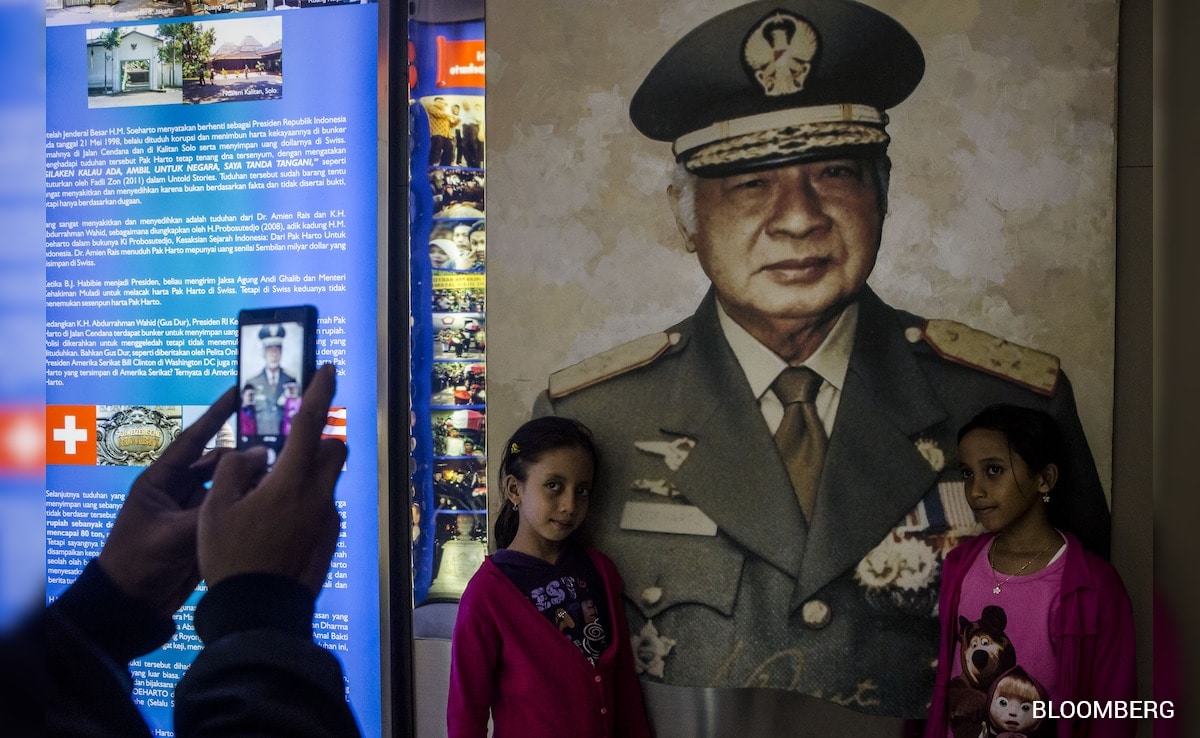
The widespread tendency to rewrite history reflects a concerning pattern across Southeast Asia.
Indonesia's recent decision to bestow hero status on former dictator Suharto highlights the persistent appeal of authoritarian leadership in Southeast Asia. This troubling development is partly facilitated by younger generations who may lack full understanding of autocratic governance's dangers, creating a collective amnesia that jeopardizes democratic progress.
President Prabowo Subianto, who was once Suharto's son-in-law, posthumously conferred the title of National Hero—Indonesia's highest civilian honor—on November 10. This prestigious recognition is typically reserved for citizens who have made exceptional contributions to the nation. Previous presidents, including Susilo Bambang Yudhoyono and Joko Widodo, had contemplated but ultimately refrained from this controversial action.
This historical revisionism exemplifies a broader regional pattern.
Human rights organizations expressed outrage at the announcement, but perhaps more noteworthy was the relatively subdued public response. Despite Indonesia's reputation for street demonstrations, no mass protests materialized. This stands in stark contrast to the student-led rebellion that toppled Suharto's regime (known as Orde Baru or New Order) in 1998, and the recent Generation Z protests regarding economic slowdown and political privileges.
The dictator presided over three decades of military-backed governance, characterized by rapid economic development alongside corruption, cronyism, and human rights violations. His administration, supported by a ruthless military, restricted press freedom and imprisoned or disappeared political opponents.
His rehabilitation today is extraordinary. State Secretary Prasetyo Hadi explained, "This is part of how we honor our predecessors—especially our leaders who, despite everything, made extraordinary contributions to the nation."
Indonesia has precedent for historical revisionism. Having grown up in Jakarta during the dictatorship, I witnessed how thoroughly historical sanitization had been implemented. Suharto's government minimized the 1965-66 anti-communist massacres, portraying them as killings perpetrated by ordinary citizens rather than military forces. Restive provinces like Papua and Aceh were depicted as rebellious territories rather than victims of military suppression.
In that dominant narrative, Suharto was celebrated not as a dictator but as Bapak Pembangunan, the father of development. Admittedly, he did generate significant economic growth, but it was built on unstable foundations undermined by nepotism and profiteering. By 1998, the Asian Financial Crisis revealed the system's fragility, leading to his downfall and plunging the country into economic and political upheaval.
The subsequent chaos partially explains why many Indonesians view the Suharto era as a period of stability, despite its numerous problems. Citizens across generations recall his era favorably, according to a 2024 study on authoritarian nostalgia. They may also demonstrate less support for democratic institutions.
Prabowo has capitalized on this sentiment. A former special-forces commander accused of human rights abuses (allegations he denies), he rebranded himself during his presidential campaign as an endearing grandfather figure, an image that resonated with younger voters born after the dictatorship ended. Since taking office, Prabowo has displayed elements of the New Order approach: centralizing authority, marginalizing critics, and expanding military involvement in public affairs.
More concerning signals have emerged. Earlier this year, the government announced plans to issue new textbooks promoting national pride. This initiative was postponed following criticism from historians who warned the books would likely omit key historical events, including those connected to Prabowo's past, and downplay mass killings.
The phenomenon of authoritarian nostalgia extends beyond Indonesia. In the Philippines, Ferdinand Marcos Sr.'s dictatorship has been whitewashed through extensive social media disinformation, facilitating his son's return to power in 2022. A population too young to remember martial law has helped perpetuate the myth that those years represented a golden era of peace and prosperity. Thailand's recurring coups and Cambodia's dynastic leadership are marketed as stability rather than stagnation.
I've previously discussed how China's model of sophisticated authoritarianism demonstrates that economic growth and innovation without political freedom is achievable. This has encouraged leaders in the Global South and beyond who view democracy as inconvenient.
Civil society must resist before further democratic regression occurs. Teaching the darker aspects of history in educational institutions is essential. When young citizens lack understanding of dictatorship's characteristics, they become more vulnerable to its resurgence.
The dangers of this nostalgia transcend politics. Authoritarian systems typically coincide with limited transparency. Suharto's Indonesia serves as a cautionary tale of how perceived stability can rapidly disintegrate. Investors and policymakers should recognize that weak institutions and selective historical memory create a volatile combination.
Indonesia's decision to celebrate Suharto is being presented as historical reconciliation. In reality, it demonstrates that when nations forget their authoritarian past, they risk inviting its return.
Source: https://www.ndtv.com/world-news/explained-how-amnesia-is-turning-asias-tyrants-into-heroes-9652749