
Understanding the Philippine Anti-Corruption Movement: Causes, Impact, and Future of the Flood Control Project Scandal
- Date & Time:
- |
- Views: 48
- |
- From: India News Bull
Manila:
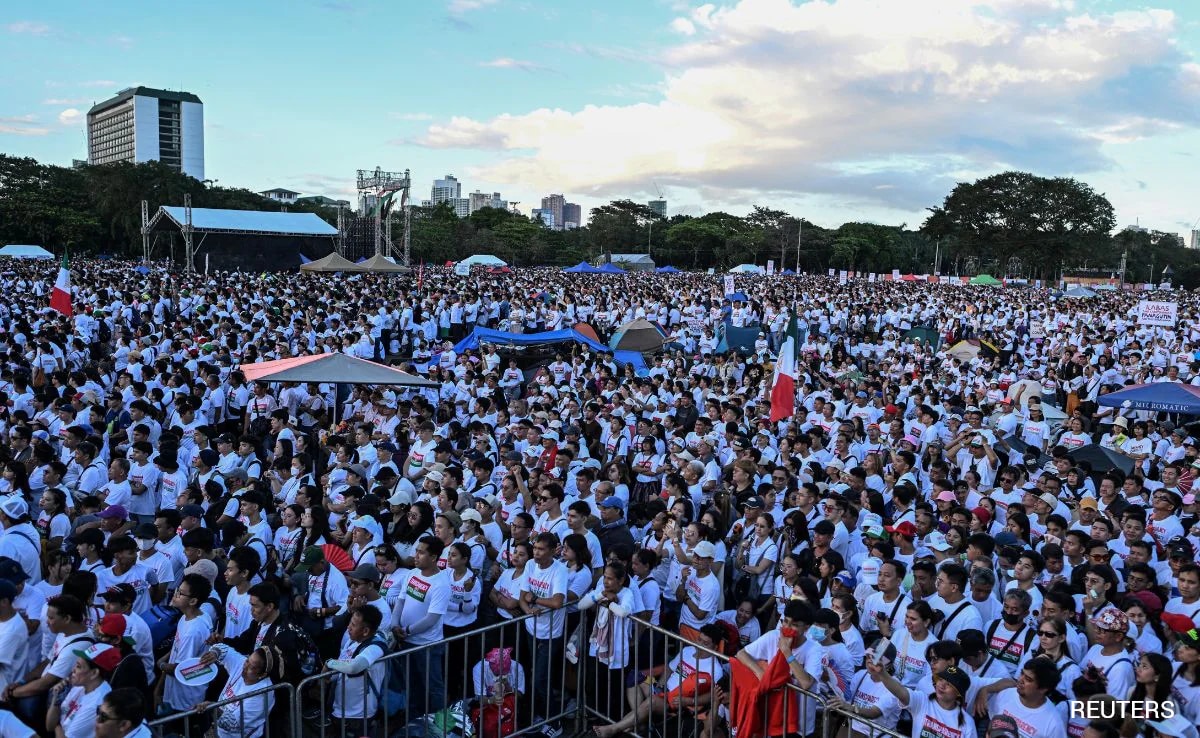
A massive demonstration unfolded on Monday as over 200,000 protesters gathered for the second consecutive day of anti-corruption rallies in the Philippines. These protests represent part of a broader movement that began in August, with citizens demanding accountability regarding alleged corruption in flood control infrastructure projects.
The catalyst for these demonstrations came in August when President Ferdinand Marcos Jr. disclosed findings from an internal audit that revealed significant irregularities in multi-billion-peso flood control initiatives. These projects gained heightened attention in recent months following allegations of mismanagement during a period of intense monsoon rains and storms that submerged numerous towns and cities across this disaster-prone nation.
According to the audit findings, of the 545 billion pesos ($9.24 billion) allocated since 2022, thousands of projects were found to be substandard, poorly documented, or completely non-existent. Some projects displayed identical costs despite being located in different regions, and remarkably, just 15 contractors out of more than 2,000 accredited firms had secured 20% of the entire budget.
In response to these revelations, President Marcos' disclosure prompted congressional hearings, though these have yet to produce concrete results as contractors, politicians, and public works officials exchange accusations of bribery. The President also established a commission headed by a former Supreme Court judge to investigate the matter. This commission has since recommended both criminal and administrative charges against dozens of individuals, including lawmakers, and has referred cases to the Ombudsman.
Authorities have taken action by freezing more than 6 billion pesos in assets connected to implicated parties and are planning to pursue forfeiture proceedings.
The scandal has had significant repercussions, implicating numerous officials and lawmakers while raising serious questions about integrity in public spending and undermining investor confidence. Economic growth slowed dramatically in the third quarter, falling short of forecasts. Economic Planning Secretary Arsenio Balisacan attributed this underperformance to what he described as "shocking" corruption, noting that stricter validation procedures had delayed fund releases for various projects.
Looking ahead, as the commission's investigation continues, President Marcos has pledged that those responsible for the flawed projects would face imprisonment before Christmas. Ombudsman Jesus Crispin Remulla stated in a Facts First podcast interview on Sunday that authorities have cases ready for filing, which could happen as early as this week.
Protest leaders have committed to maintaining pressure to ensure accountability, with another demonstration scheduled for late November.
Source: https://www.ndtv.com/world-news/whats-fuelling-anti-graft-protests-in-the-philippines-9649965