
New Fed Governor Says He Was Not Told How To Vote By Trump
- Date & Time:
- |
- Views: 70
- |
- From: India News Bull
A Trump appointee to the Federal Reserve Board, Stephan Miran, clarified on Friday that President Trump did not instruct him on how to vote regarding interest rates prior to the recent central bank meeting.
During a CNBC interview, Miran stated, "The president called me to congratulate me. He didn't request any specific actions, and I made no commitments to take any particular actions."
Miran emphasized that his decisions would be based on "independent analysis" reflecting his economic assessment.
As the lone dissenter in the Fed's recent decision to implement a quarter-point rate cut, Miran advocated for a more substantial half-point reduction—a position that aligns with Trump's frequent calls for aggressive rate cuts.
He promised to provide a "comprehensive explanation" of his economic perspective on Monday.
When questioned about his dissenting vote, Miran explained, "I don't observe any significant inflation resulting from tariffs. I see no evidence supporting such a claim."
The Federal Reserve typically maintains higher interest rates to control inflation, and policymakers had kept rates steady throughout most of the year while evaluating the impact of Trump's tariffs on prices.
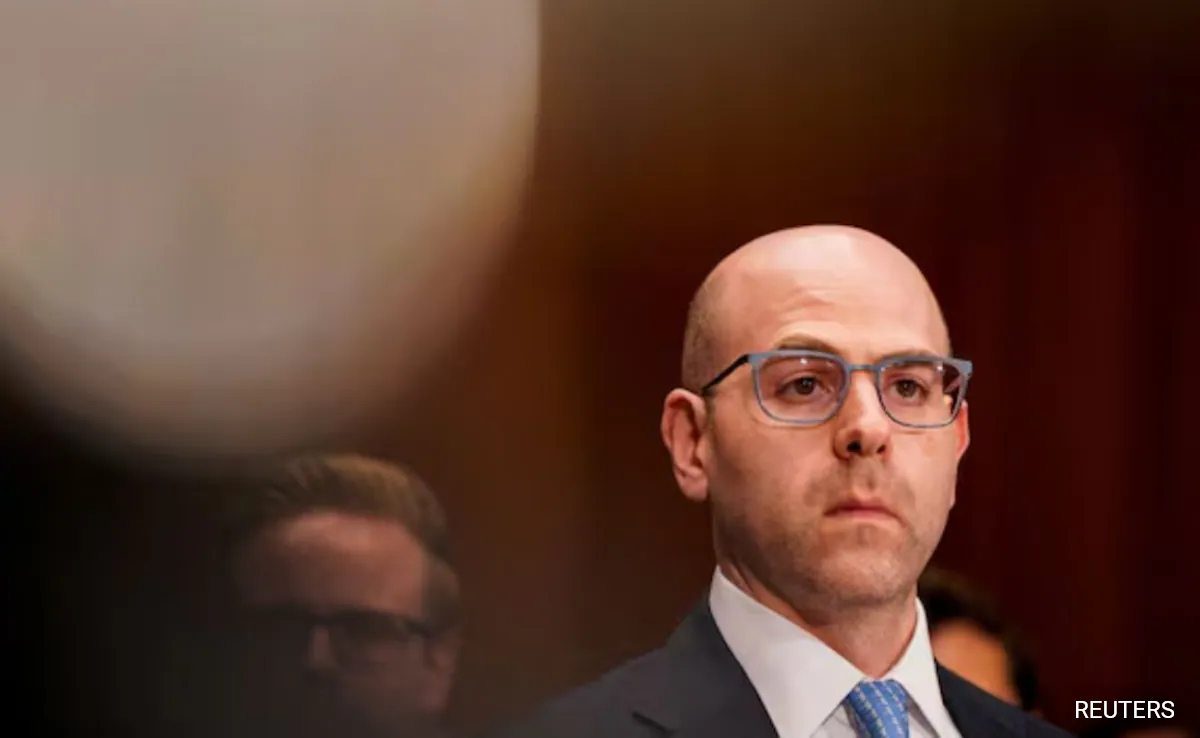
Miran's quick appointment to the Fed coincided with Trump intensifying pressure on the independent central bank by repeatedly demanding substantial interest rate reductions.
Before joining the Federal Reserve, Miran chaired the White House Council of Economic Advisers. The Senate confirmed him on Monday night, and he was sworn in just before the rate-setting meeting commenced early Tuesday.
He told CNBC that he hopes to convince some of his Fed colleagues to adopt his viewpoint.
Miran is serving a term that concludes on January 31, replacing another Fed governor who resigned prematurely.
His decision to take a leave of absence rather than resign from his White House position provoked strong criticism from Democratic lawmakers concerned about threats to the Federal Reserve's independence.
Addressing this criticism, Miran explained his rationale for not resigning from the CEA: "If the President had indicated I would remain in the position beyond January, I would have resigned immediately."
When announcing their first rate cut of the year on Wednesday, Fed policymakers noted the deteriorating labor market and projected two additional cuts this year.
Meanwhile, attention has focused on Fed Governor Lisa Cook's legal challenge against Trump's attempt to remove her this week. She has thus far maintained her position as her lawsuit proceeds.