
Fleeing Horror: Survivors Recount Brutal Violence and Mass Exodus from Sudan's El-Fasher
- Date & Time:
- |
- Views: 57
- |
- From: India News Bull
Between 2003 and 2008, approximately 300,000 people were killed in Sudan during campaigns of ethnic cleansing.
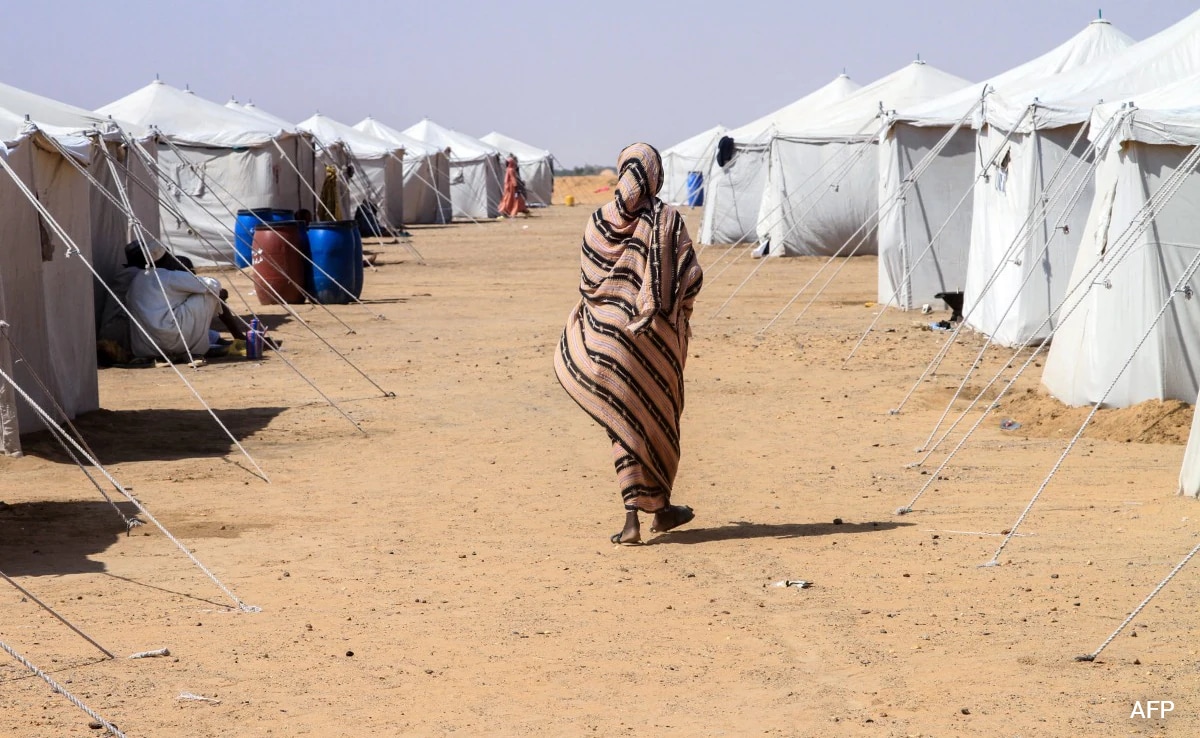
Sixteen-year-old Mounir Abderahmane spent 11 days traveling to reach the Tine refugee transit camp in Chad after escaping the violence in Sudan's El-Fasher city. He journeyed across arid terrain to safety.
When the Rapid Support Forces (RSF) invaded El-Fasher in late October, Abderahmane was at the Saudi hospital caring for his father, a soldier in the regular army who had been injured fighting against the militia days earlier.
"They called seven nurses into a room. We heard gunshots and I saw blood flowing from underneath the door," he recounted to AFP, his voice breaking with emotion.
Abderahmane escaped the city that same day with his injured father, who unfortunately died during their westward journey toward Chad.
The RSF, engaged in civil war with the army since April 2023, seized El-Fasher, the army's final stronghold in the extensive western Darfur region, on October 26 following an 18-month siege.
Both warring parties have been accused of committing atrocities.
The RSF has its origins in the Janjaweed, predominantly an Arab militia that was armed by the Sudanese government to target mainly black African tribes in Darfur two decades ago.
Between 2003 and 2008, an estimated 300,000 people were massacred in those ethnic cleansing campaigns and nearly 2.7 million were displaced from their homes.
At the Tine camp in eastern Chad—more than 300 kilometers (185 miles) from El-Fasher—survivors reported that drone attacks had intensified in the city on October 24, just before it fell to the RSF forces.
Residents crowded into improvised shelters to escape the bombing, with only "peanut shells" for nourishment, according to 53-year-old Hamid Souleymane Chogar.
"Whenever I went outside for air, I discovered new bodies in the street, often people from the community I recognized," he recalled with horror.
Chogar utilized a moment of calm to escape during the night.
Having been disabled by the Janjaweed in 2011, he had to be lifted onto a cart that navigated through the city between debris and corpses.
They moved silently without lights to avoid detection.
When an RSF vehicle's headlights swept through the darkness, Mahamat Ahmat Abdelkerim, 53, rushed into a nearby house with his wife and six children.
Their seventh child had been killed by a drone strike days before.
"There were approximately 10 bodies inside, all civilians," he recalled. "Blood was still seeping from their corpses."
Mouna Mahamat Oumour, 42, was fleeing with her family when a shell struck their group.
"When I looked back, I saw my aunt's body torn apart. We covered her with cloth and continued moving," she said through tears.
"We proceeded without ever looking back."
At the southern edge of the city, escapees witnessed bodies piled in the massive trench that the RSF had excavated to encircle El-Fasher.
Samira Abdallah Bachir, 29, described how she and her three young children had to descend into the ditch to escape, carefully navigating through the bodies "to avoid stepping on them."
After crossing the trench, refugees encountered checkpoints on the two main roads leading from El-Fasher, where witnesses reported incidents of rape and theft.
At each roadblock, fighters demanded payment—$800 to $1,600—for safe passage.
The United Nations estimates nearly 90,000 people have fled El-Fasher in the past two weeks, with many enduring days without food.
"People are being transferred from Tine to reduce overcrowding and create space for new refugees," explained Ameni Rahmani, 42, from medical organization Doctors Without Borders (MSF).
The power struggle between the RSF and the army—partly over control of Sudan's gold and oil resources—has killed tens of thousands since April 2023, displaced nearly 12 million people, and triggered what the UN describes as the world's most extensive hunger crisis.
Source: https://www.ndtv.com/world-news/blood-oozing-from-corpses-haunts-escapees-from-sudans-el-fasher-9633885