
Nepal Shifts Currency Printing from India to China: Strategic, Economic and Political Implications
- Date & Time:
- |
- Views: 47
- |
- From: India News Bull
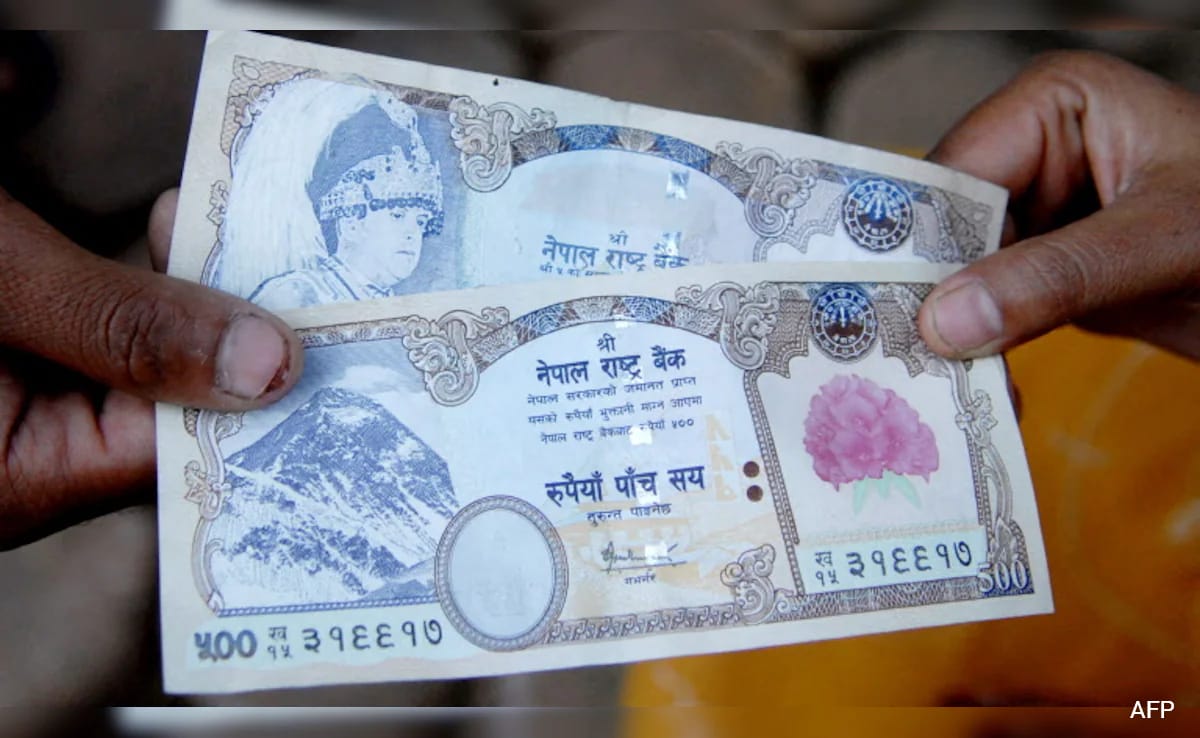
Nepal's 500 Rupee note featuring water mark of King Gyanendra covered by a Rhododendron in 2007
Nepal Rastra Bank (NRB), the central bank of Nepal, has recently issued a letter of intent to China Banknote Printing and Minting Corporation (CBPMC) to design, print and deliver 430 million pieces of Nepal's Rs 1,000 denomination banknotes.
The contract is valued at $16.985 million, with the NRB stating that the Chinese company was selected as the substantially responsive and lowest evaluated bidder.
Over the past three years, CBPMC, a Chinese state-owned enterprise, has been consistently winning bids to print Nepal's currency, securing contracts seven consecutive times.
During this period, the Chinese corporation stands to earn approximately $63 million from Nepal for printing around 2.38 billion pieces of banknotes.
CBPMC first entered Nepal's currency printing market in 2016 when it secured its initial contract to print Nepalese banknotes.
Historically, from 1945 to 1955, Nepal's currency was printed at India's Security Press in Nashik. The most recent contract awarded to an Indian company occurred on January 10, 2023, when NRB granted Security Printing and Minting Corporation of India Limited a contract worth $5.048 million to design, print, and deliver 300 million pieces of NPR 50 denomination banknotes.
However, cost efficiency is not the only factor driving Nepal's shift from India to China for its currency production. Nepal's new banknotes include the disputed territories of Lipulekh, Limpiyadhura, and Kalapani as part of Nepal's territory, creating a politically sensitive situation for India if it were to print these notes.
Beyond economic advantages and avoiding political complications, China offers advanced security features in its currency printing, influencing Nepal's decision to choose Chinese services. Currently, all of Nepal's banknotes are produced in China.
Nepal is not alone in selecting China for currency printing. Other South Asian nations, including Bangladesh, Sri Lanka, Malaysia, Thailand, and Afghanistan, also have their currencies printed in China.
China Banknote Printing and Minting Corporation stands as the world's largest money printer by scale. Other major government-operated entities in currency and high-security document printing include Japan's National Printing Bureau (NPB), Russia's Goznak, and the US Bureau of Engraving and Printing.
Source: https://www.ndtv.com/world-news/why-nepals-banknotes-now-come-from-china-not-india-9629407