
Europe's Regulatory Failure: The Shein and Temu E-commerce Safety Crisis
- Date & Time:
- |
- Views: 61
- |
- From: India News Bull
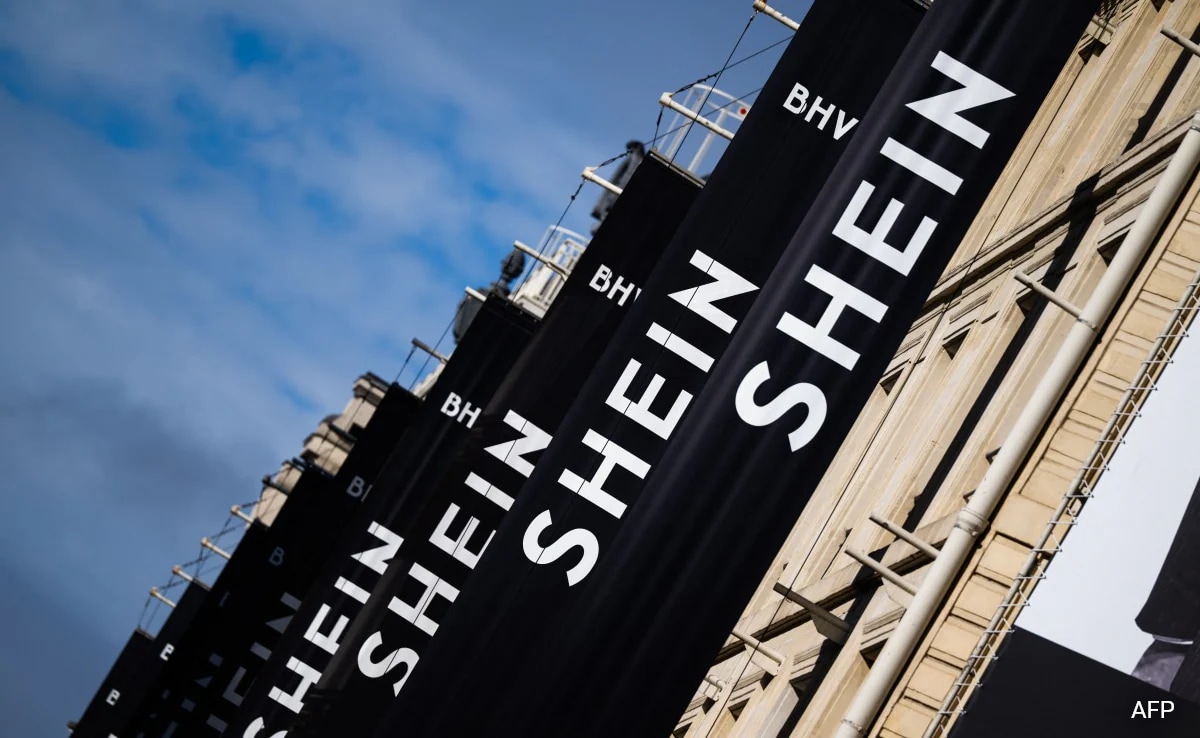
The enormous poster featuring Shein Ltd. Chairman Donald Tang at Paris's BHV department store, where the Chinese e-commerce giant just launched its first physical store, perfectly symbolizes Europe's regulatory shortcomings. European consumer protection agencies have long cautioned about unsafe, inexpensive counterfeits flooding in from Shein and Temu (owned by PDD Holdings Inc.). Governmental action has been minimal, even as recent tests revealed 70% of items ordered from these platforms—including toys, chargers, and jewelry—failed safety standards.
French authorities have finally moved to suspend Shein's website and requested a European Commission investigation following discoveries of weapons and childlike sex dolls being sold through its platform—prompting the question: "Why now, after so much delay?" Concerns have persisted about Shein's complex network of 7,000 factories (mostly China-based) and numerous third-party vendors, highlighting issues of insufficient oversight and transparency. With e-commerce platforms delivering approximately 145 parcels per second into the EU last year, the eventual appearance of prohibited items was inevitable.
While Shein claims complete cooperation and has prohibited all sex dolls from its websites, the problems are fundamentally systemic. They arise both from Shein's business model and Europe's ineffective enforcement of existing regulations. Packages evade scrutiny primarily because items valued below €150 ($173) are exempt from customs duties—a threshold easily avoided by Shein and Temu's low-priced merchandise. This parallels the "de minimis" import provision in America that the Trump administration suspended. Though the EU has proposed similar reforms, implementation remains years away.
There's been insufficient urgency to address these issues. Politicians hesitate to obstruct a shopping phenomenon that helps voters forget economic hardships—particularly when such businesses might bring stock market listings or revitalize iconic retail establishments. A former French government minister's recent advisory role with Shein demonstrates the company's lobbying influence in a nation that has lost 50,000 ready-to-wear industry jobs over ten years. Geopolitical considerations likely play a role too, with France reluctant to give Beijing additional reasons to target luxury brands like Louis Vuitton or Remy Cointreau.
Now that Paris acknowledges the situation's unsustainability, clear enforcement pathways exist. Customs reform is crucial, as is platform-level regulation and establishing accountability structures. These regulations already exist—in June, European consumer organization BEUC accused Shein of violating the Unfair Commercial Practices Directive through alleged deceptive discount practices and high-pressure selling tactics like "low stock" notifications.
The EU cannot expect France alone to manage these challenges in a borderless market spanning 27 nations. The UK, neither an EU member nor currently pursuing a Shein IPO, has no justification for inaction.
These regulatory challenges need not prove fatal for companies like Shein, which attributes its competitive pricing to supply chain efficiencies and has shown adaptability toward governmental crackdowns on loopholes. With projected net income of $2 billion for 2025, Shein continues transforming retail, putting pressure on established retailers from Asos Plc to Zara's parent company Inditex SA.
Nevertheless, even as e-commerce continues its unstoppable expansion, establishing fair competitive conditions remains essential—and if platforms cannot adhere to regulations, prohibition must remain an option. Allowing a lawless vacuum within the European single market doesn't represent sovereignty—it constitutes humiliation.
Source: https://www.ndtv.com/opinion/shein-sex-doll-standoff-is-a-european-humiliation-9593053