
Typhoon Kalmaegi Death Toll Rises to 114: Philippines Declares State of Emergency Amid Widespread Flooding and Displacement
- Date & Time:
- |
- Views: 61
- |
- From: India News Bull
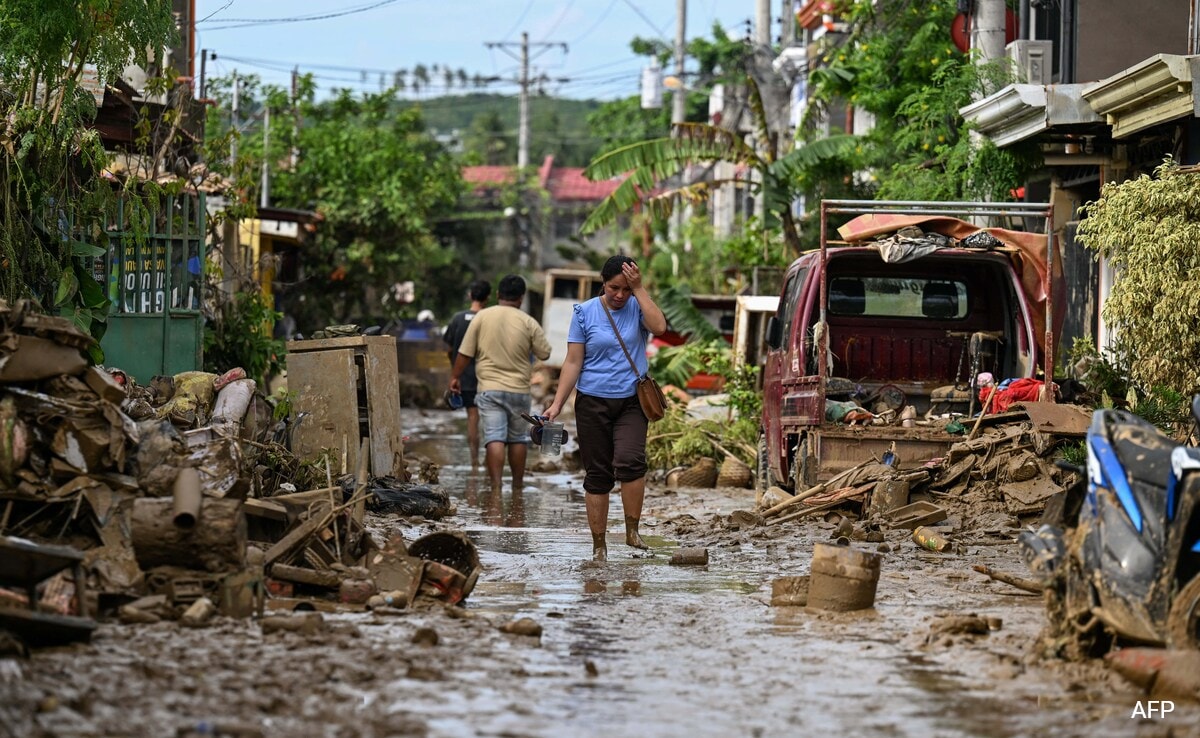
Typhoon Kalmaegi has displaced over 560,000 villagers across the Philippines, leading President Ferdinand Marcos Jr. to declare a state of emergency on Thursday.
The devastating tropical cyclone has claimed at least 114 lives, primarily from drowning in flash floods, with 127 people still missing, many in Cebu province. This marks the deadliest natural disaster to hit the country this year.
According to the Office of Civil Defense, nearly 2 million people have been affected by the typhoon, with more than 560,000 displaced, including approximately 450,000 evacuated to emergency shelters before the storm exited into the South China Sea on Wednesday.
The "state of national calamity" declaration enables faster disbursement of emergency funds and helps prevent food hoarding and price manipulation during the crisis period.
As officials continue managing Kalmaegi's aftermath, authorities have warned that another tropical cyclone approaching from the Pacific could strengthen into a super typhoon and potentially strike the northern Philippines by early next week.
The death toll includes six people killed when a Philippine air force helicopter crashed in Agusan del Sur province on Tuesday while en route to provide humanitarian assistance to typhoon-affected areas.
In Cebu province, flash floods and swollen waterways inundated residential communities, forcing residents to seek refuge on rooftops while awaiting rescue as floodwaters continued rising. Provincial officials reported at least 71 fatalities in Cebu, predominantly from drowning, with 65 people missing and 69 injured.
The neighboring province of Negros Occidental reported an additional 62 missing persons according to civil defense officials.
"We did everything we can for the typhoon but, you know, there are really some unexpected things like flash floods," Cebu Governor Pamela Baricuatro told The Associated Press.
Governor Baricuatro suggested that years of quarrying may have contributed to river clogging, while substandard flood control projects exacerbated the flooding. These issues connect to a nationwide corruption scandal involving inadequate or non-existent flood control projects that has sparked public outrage and protests in recent months.
Cebu was still recovering from a 6.9 magnitude earthquake on September 30 that killed at least 79 people and displaced thousands when Kalmaegi struck. Fortunately, northern towns most devastated by the earthquake largely avoided the typhoon-generated floods.
Maritime authorities prohibited ferries and fishing boats from venturing into increasingly rough seas, stranding more than 3,500 passengers and cargo truck drivers across nearly 100 seaports. Additionally, at least 186 domestic flights were canceled due to the typhoon.
The Philippines typically experiences approximately 20 typhoons and storms annually, alongside frequent earthquakes and volcanic activity, making it one of the world's most disaster-prone countries.
Source: https://www.ndtv.com/world-news/philippines-declares-state-of-emergency-after-typhoon-kalmaegi-kills-114-9583904