
Supreme Court Evaluates Constitutionality of Trump's Tariff Powers in Landmark Case
- Date & Time:
- |
- Views: 60
- |
- From: India News Bull
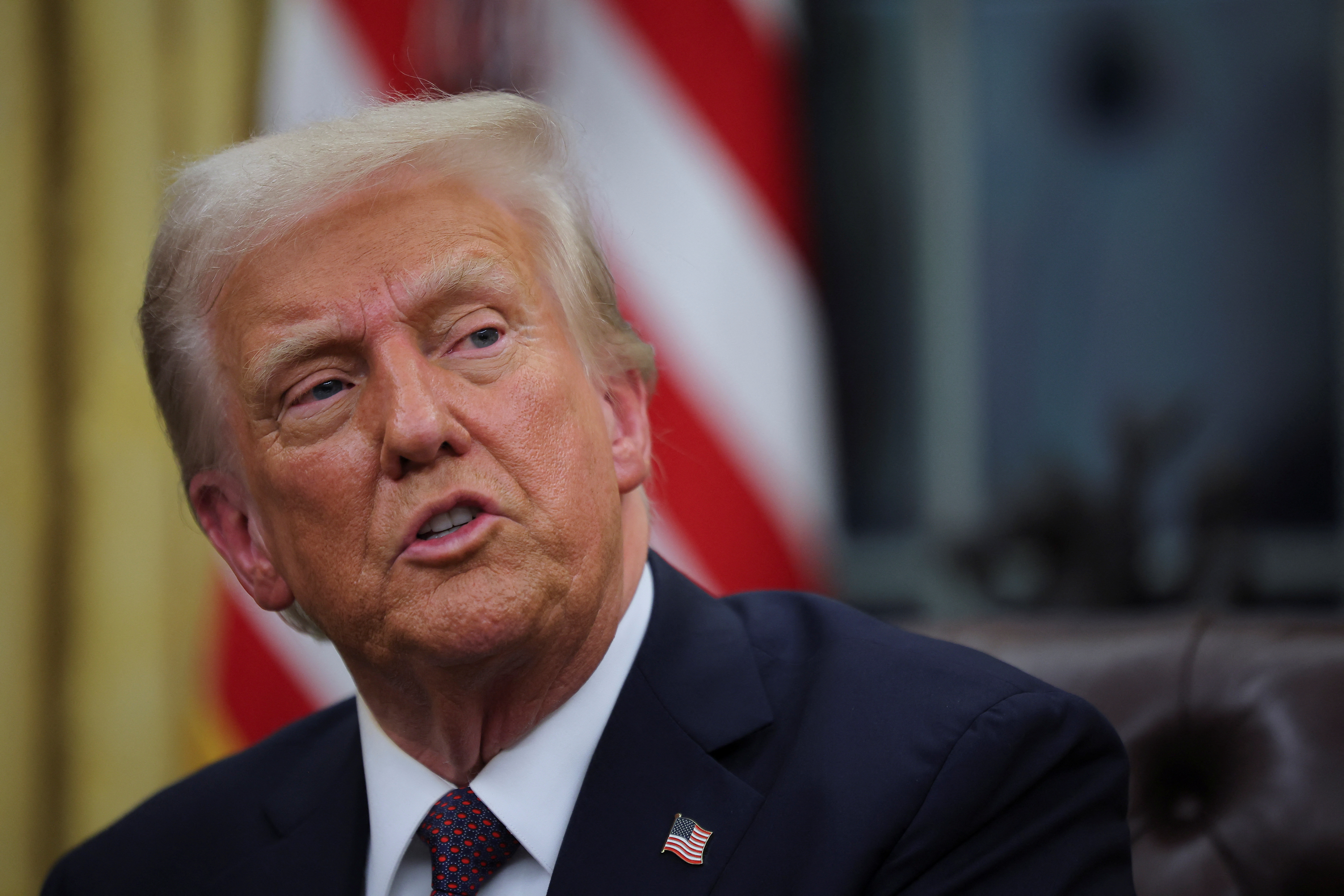
Trump has characterized this case as "one of the most important" in American history.
United States:
The US Supreme Court justices on Wednesday scrutinized the legal foundation of Donald Trump's extensive tariff policies during a landmark hearing that could either validate or dismantle the president's economic strategy.
At stake are billions in customs revenue and a crucial tool in Trump's trade negotiations, as the conservative-majority court examines another Republican attempt to expand presidential authority.
The nine justices are reviewing Trump's use of emergency powers to implement "reciprocal" tariffs affecting nearly all US trading partners, as well as specific levies targeting Mexico, Canada, and China for their alleged connections to illicit drug trafficking.
Critics contend that such broad-ranging tariffs exceed the authority granted under the International Emergency Economic Powers Act (IEEPA), which Trump cited when implementing these measures.
A central consideration before the court is the applicability of the "major questions doctrine," which requires clear congressional authorization for policies with significant economic or political implications.
Solicitor General John Sauer, representing the Trump administration, faced questioning from multiple justices about this doctrine. He argued it doesn't apply given the president's inherently broad authority, adding that Congress would naturally grant the president substantial powers to address international crises.
Sauer further distinguished that the issue concerns regulation of foreign commerce rather than taxation power. He characterized tariff imposition as a "core application" of such authority.
The court's ruling, which may take months to finalize, doesn't affect sector-specific tariffs Trump separately imposed on steel, aluminum, and automobiles.
Since returning to office, Trump has raised the average effective tariff rate to its highest level since the 1930s. A lower court ruled in May that he had exceeded his authority, precipitating this Supreme Court case.
Trump has emphasized the case's significance and warned of dire consequences should his tariffs be overturned.
'Ringside Seat'
The president initially suggested he might attend Wednesday's court hearing personally but ultimately decided against it, stating he did "not want to distract" from the case's importance.
Treasury Secretary Scott Bessent told Fox News he planned to "have a ringside seat," while US Trade Representative Jamieson Greer was also present at the court, his office confirmed.
When questioned whether his attendance might be perceived as intimidation, Bessent responded: "I am there to emphasize that this is an economic emergency."
ING analysts noted Wednesday that "in recent years, the court has been reluctant to overrule presidential decisions of this magnitude." However, they acknowledged this case is difficult to predict, as "upholding Trump's tariffs would shift the balance of power from Congress to the President, further enhancing his executive power."
Trump's administration contends that under IEEPA, the president can "regulate" trade by unilaterally setting import tax rates.
Challengers point out that neither the words "tariff" nor "tax" appear in the statute, and that the US Constitution explicitly assigns Congress the power to establish levies.
Approximately 40 legal briefs have been filed against the president's global tariffs by businesses, lawmakers, and former US officials, with only a few briefs supporting his actions.
While Trump's tariffs haven't triggered widespread inflation, companies—particularly small businesses—report bearing the burden of increased import costs.
Legal experts note that if the Supreme Court finds Trump's global tariffs illegal, the government can utilize alternative laws to impose tariffs up to 15 percent for 150 days, while pursuing more permanent measures.
Countries that have already negotiated tariff agreements with Trump may therefore prefer to maintain existing arrangements rather than renegotiate.
Source: https://www.ndtv.com/world-news/us-supreme-court-weighs-legality-of-trump-tariffs-in-high-stakes-hearing-9582896