
Economic Concerns Dominate 2025 Elections as Democrats Gain Ground Despite Trump Presidency
- Date & Time:
- |
- Views: 66
- |
- From: India News Bull
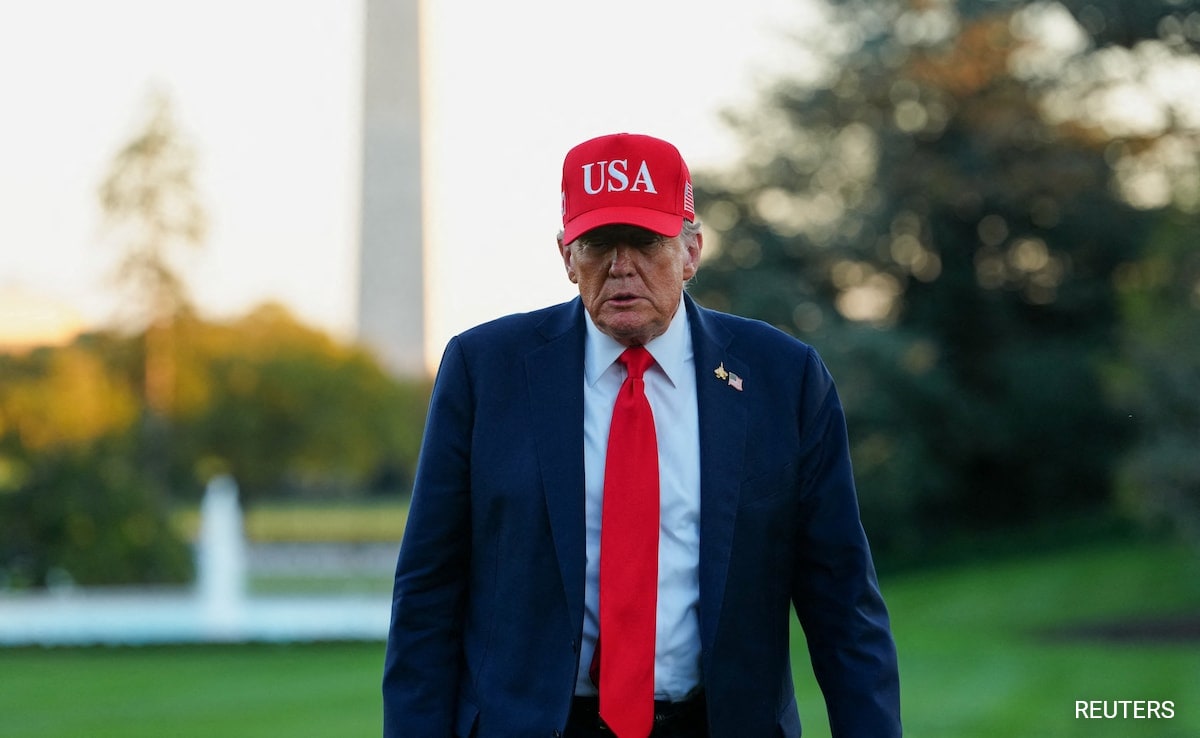
Trump and his Republican allies have focused primarily on immigration, crime and conservative cultural issues throughout their campaigns.
Washington:
The first major Election Day since President Donald Trump's return to the White House began positively for Democrats.
While discussions about the Democratic Party's future may only be starting, evidence suggests that economic factors—particularly Trump's failure to deliver on his promised economic turnaround from last fall—could negatively impact the Republican Party in coming elections.
A Democratic candidate secured the Virginia governor's race, one of Tuesday's two major contests. New Jersey represented the only other state electing a governor this year.
Despite Trump's limited campaign trail presence, Republican candidates closely aligned themselves with the president, hoping his significant victory last year would provide a winning strategy, even though the party holding the White House typically underperforms in off-year elections.
In Virginia at least, this approach proved unsuccessful.
Democrats remain hopeful that strong performances could establish a path back to national relevance—even as top Democratic candidates have adopted significantly different approaches, ranging from maintaining moderate positions to fully embracing increased government spending aimed at improving voters' lives.
In New York City, a self-described democratic socialist, already targeted by Trump's criticism, could emerge as a national political figure if elected mayor. Meanwhile, California voters will determine whether to redraw the state's House map, as Democrats attempt to counter Trump's efforts to reshape congressional power balance.
Here are key takeaways:
Former Representative Abigail Spanberger will become Virginia's next governor—and its first female chief executive—following a campaign primarily focused on economic issues, public safety, and healthcare. She deliberately distanced herself from far-left Democratic Party policies.
Democratic Representative Mikie Sherrill employed a similar approach in New Jersey's gubernatorial race.
An increasing number of Democratic leaders believe this moderate strategy holds the key to party revival after Republicans captured the White House and both congressional chambers last year.
Above all, Democrats in both states emphasized rising costs of groceries, energy, and healthcare—areas where Trump has struggled to demonstrate effective control.
Beyond adopting centrist positions on economic issues, Spanberger and Sherrill downplayed support for progressive priorities, including LGBTQ rights and resistance against Trump's challenges to American institutions. Spanberger rarely mentioned Trump by name during campaign events.
Both candidates possess backgrounds likely to appeal to moderate voters.
Spanberger previously worked as a CIA case officer spending years abroad undercover, while Sherrill served a decade as an active-duty Navy helicopter pilot before entering Congress. Both emphasized their public safety credentials as direct responses to Republican accusations that Democrats are soft on crime.
While Trump and Republican allies have particularly emphasized immigration, crime, and conservative cultural issues, voters determining Tuesday's major elections appeared more concerned with economic matters: the economy, jobs, and persistently high living costs. According to the AP Voter Poll—an extensive survey of over 17,000 voters in New Jersey, Virginia, California, and New York City—many voters feel unable to advance financially in the current economy, even when their personal finances remain stable.
Ironically, similar economic anxieties helped propel Trump to the White House just one year ago. Now, these economic concerns appear to undermine his party's political objectives in 2025—and could present greater challenges for Republicans in next year's midterm elections, which will determine the balance of power during Trump's final two years in office.
This occurs even as Trump regularly celebrates stock market gains and claims leadership in an American manufacturing renaissance.
Approximately half of Virginia voters identified the economy as their state's most important issue, while most New Jersey voters cited either taxes or the economy as their primary concern. Just over half of New York City voters indicated cost of living as their top concern.
It remains unclear whether these kitchen table concerns weighing heavily on voters might help resolve the impasse behind the government shutdown, now extending beyond a month.
Congressional Democrats are demanding extension of expiring tax credits that have helped millions afford health insurance, while Republicans refuse negotiations until government reopens. Voters nationwide indicated healthcare costs were important, though generally secondary to core economic concerns.
President Trump did not personally campaign in Virginia or New Jersey with Republican gubernatorial candidates Winsome Earle-Sears or Jack Ciattarelli, yet both contests will likely be viewed as referendums on Trump's performance thus far.
Though Trump endorsed Ciattarelli in New Jersey's governor's race, he only participated in two tele-town halls supporting him, including one Monday night. Trump also conducted a Monday night tele-town hall for Virginia Republican candidates but didn't mention Earle-Sears, speaking primarily in support of the GOP attorney general candidate.
Earlier in the campaign, Trump offered Earle-Sears only lukewarm support, stating he backed the Republican gubernatorial candidate without using her name. Nevertheless, Earle-Sears remained a strong Trump defender, as did Ciattarelli in New Jersey.
Despite Trump's limited direct involvement, his policies—including his "big, beautiful" budget bill and massive federal workforce reductions—played central roles in Virginia, New Jersey, and even New York City's mayoral races. Republicans in each contest refused to distance themselves from the president or his agenda.
A disappointing night for Republicans would give Democrats significant—though potentially temporary—momentum heading into next year's midterm elections.
Source: https://www.ndtv.com/world-news/trumps-strength-democrats-message-economy-takeaways-from-election-2025-9577269