
Trauma and Uncertainty: Israeli Families Hesitate to Return to Kibbutz Nahal Oz After Hamas Attack
- Date & Time:
- |
- Views: 54
- |
- From: India News Bull
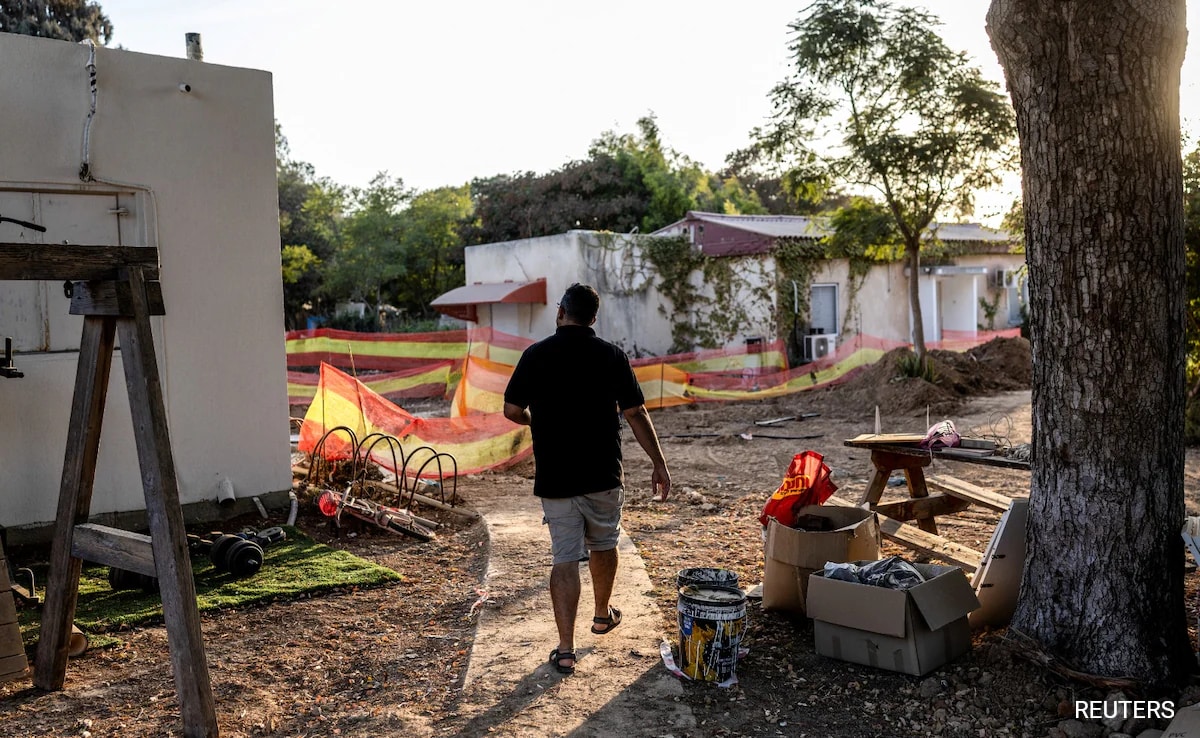
Avishay Edri, 41, finds himself torn about returning to Nahal Oz kibbutz in southern Israel, which he evacuated following a devastating Palestinian attack two years ago. Despite cherishing memories of raising his four children there, the trauma of spending 17 hours hiding in a bomb shelter during the Hamas assault that killed 15 residents and led to eight hostages being taken to Gaza haunts him.
Following the recent ceasefire agreement between Hamas and Israel, relative calm has returned to the area. However, Edri and many former residents remain apprehensive about what lies ahead.
"We are very conflicted about moving back," Edri explained during a phone conversation from northern Israel. "Emotionally, returning has become crucial for closure after experiencing such helplessness and humiliation. Yet this conflicts with logical concerns about future security."
The Hamas-led attack on southern Israeli communities in October 2023 triggered two years of conflict until the ceasefire negotiated by U.S. President Donald Trump. While the Israeli government has lifted the state of emergency near the Gaza border and discontinued financial support for displaced residents to encourage their return, approximately half of Nahal Oz's 400 inhabitants have yet to come back.
The kibbutz sits merely hundreds of meters from Gaza, separated only by agricultural fields and barbed wire. Early returners reported rockets occasionally landing in Nahal Oz during the conflict. Recent visitors noted buildings still bearing damage from attacks, with Israeli artillery fire audible and black smoke visible over Gaza.
Before the war, many kibbutz residents advocated for peace with Palestinians. Edri himself used to transport sick Gazans to Israeli hospitals, an action he now considers difficult to resume. He described his previous perspective as "naive" for believing individual actions could prevent conflict.
When asked about peace prospects, Edri suggested: "Perhaps after this huge catastrophe, people on both sides will see there is nothing to gain from this kind of war." However, he acknowledged this seemed unlikely, reflecting widespread Israeli sentiment. According to Pew Research Center data, the percentage of Israelis believing in peaceful coexistence with a Palestinian state has dropped from around 50% in 2013 to just 21% this year.
Nahal Oz, an agricultural community established by soldiers three years after Israel's 1948 independence, was traditionally viewed by residents as important for securing Israeli territory despite the risks. The 2023 attack dramatically altered this perspective when militants killed residents while livestreaming their actions on stolen phones.
Yael Raz Lachyani, 49, who returned to the kibbutz in August after growing up there, remembers visiting Gaza's beaches and restaurants in the early 1980s. She once considered the suffering of people across the border during conflicts but stated she no longer has "a place in my very broken heart to think about them."
Regarding future violence, she expressed: "I hope not, but at the moment it feels most likely."
Source: https://www.ndtv.com/world-news/israel-hamas-war-may-resume-some-israelis-hesitate-to-return-to-kibbutz-attacked-by-hamas-9565922