
Israel Confirms Bodies from Gaza Not Hostages as Fragile Ceasefire Continues
- Date & Time:
- |
- Views: 77
- |
- From: India News Bull
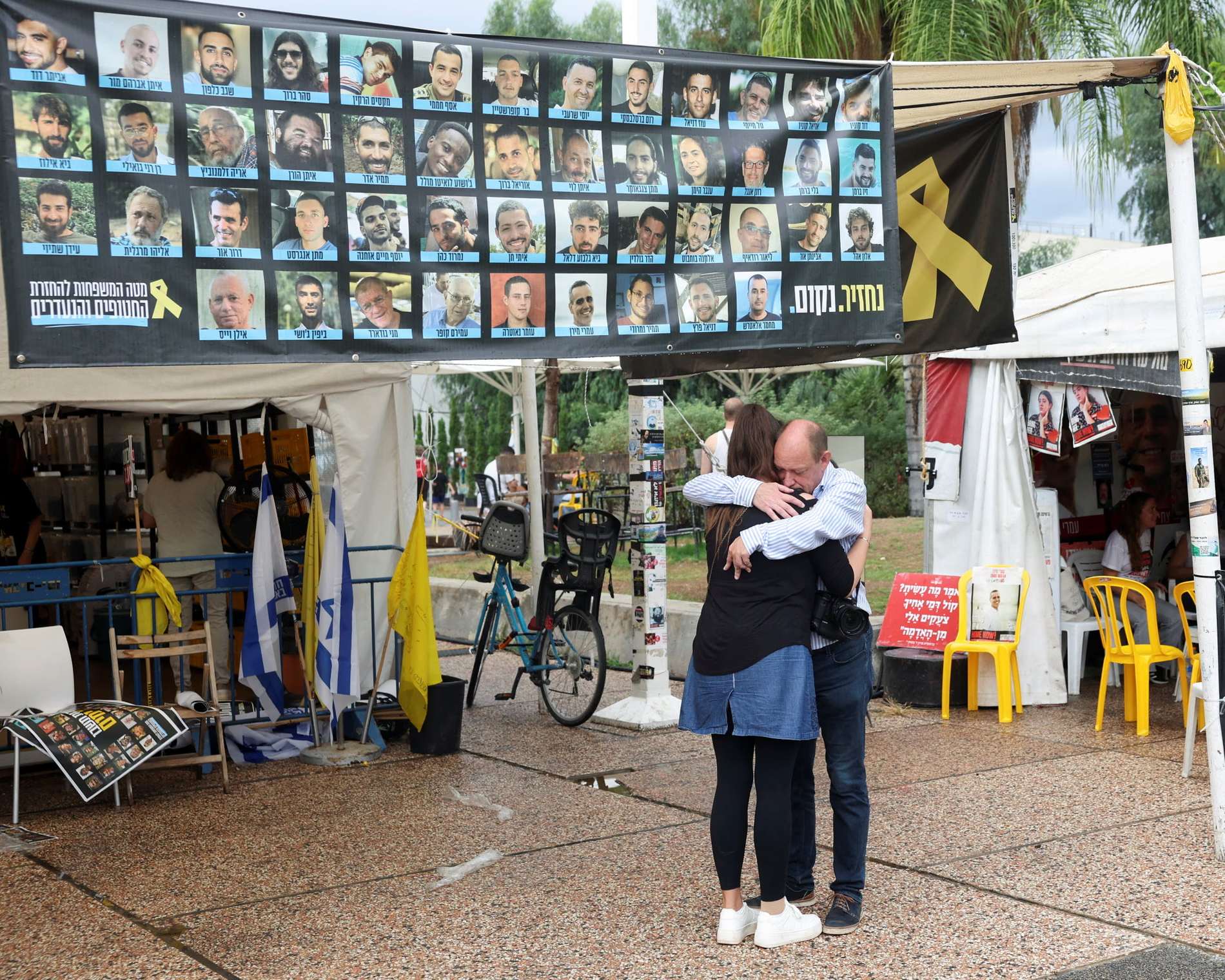
Israel confirmed on Saturday that three bodies received from Gaza the previous night were not hostages held in the Palestinian territory, while Hamas security sources reported new strikes in southern Gaza.
A fragile ceasefire has generally held in Gaza since October 10, despite occasional flare-ups. The truce is based on a US-brokered agreement centered on returning all Israeli hostages, both alive and deceased.
According to Israel's military, forensic analysis revealed that the three bodies received through the Red Cross on Friday did not belong to any of the deceased captives still awaiting return under the ceasefire agreement.
Hamas's armed wing, the Ezzedine Al-Qassam Brigades, stated Saturday that they had handed over bodies they had not positively identified. They claimed Israel declined their offer to provide samples for testing and instead "demanded the bodies for examination."
"We handed them over to preempt any enemy claims," the Brigades explained in their statement.
Following the truce implementation, Hamas returned 20 surviving hostages still in their custody and began returning the remains of those who died.
Of the 17 bodies returned since the ceasefire began, 15 were Israelis, one Thai, and one Nepalese.
Hamas has also returned an unidentified body not included among the 28 missing persons, plus partial remains of a dead Israeli hostage whose body had already been recovered earlier in the conflict.
The latter incident provoked outrage in Israel, which accused Hamas of violating the agreement by returning partial remains instead of another hostage's complete body.
Israel has criticized Hamas for not returning deceased hostages quickly enough, while Hamas maintains that locating remains buried in Gaza's ruins requires time.
In its Saturday statement, the Al-Qassam Brigades urged mediators and the Red Cross to provide the "necessary equipment and personnel to work on recovering all the bodies simultaneously."
Both Hamas and Israel have accused each other of violating the ceasefire. A Hamas security source told AFP on Saturday that Israel conducted several air strikes in southern Gaza at dawn, and that "warships opened fire toward the shores of Khan Yunis."
Earlier that week, Israel launched its deadliest bombing campaign since the truce began after one of its soldiers was killed in southern Gaza. The territory's civil defense agency reported more than 100 people killed in these strikes.
Hamas denied involvement in the attack on the Israeli soldier, and Israel subsequently stated it had begun "renewed enforcement of the ceasefire."
Hisham al-Bardai, a father of five who recently returned to northern Gaza's Jabalia camp, told AFP on Saturday that he heard "gunfire several times from the occupation forces" during the night.
"The truce has begun, but the war hasn't ended, and Israel's policy of starvation continues," he said, referring to Israel's strict blockade on supplies entering Gaza, which was partially relaxed after the ceasefire took effect.
Like many Gazans who returned to neighborhoods previously under evacuation orders, Bardai found his home had been reduced to rubble.
"Despite the widespread destruction in Jabalia camp, people are starting to return, even though the situation is dangerous," the 37-year-old said.
The later stages of US President Donald Trump's ceasefire plan still require agreement, particularly regarding Hamas disarmament, establishing a transitional authority, and deploying an international stabilization force.
This force is expected to comprise mainly Arab and Muslim nations, training and supporting vetted Palestinian police with backing from Egypt and Jordan, while securing border areas and preventing weapons smuggling.
At a conference in Bahrain, the foreign ministers of Jordan and Germany insisted that any international force must have United Nations authorization.
"We all agree that in order for that stabilisation force to be able to be effective in getting the job done, it has to have a Security Council mandate," said Jordanian Foreign Minister Ayman Safadi.
His German counterpart Johann Wadephul added that such a mandate would be of "utmost importance to those countries who might be willing to send troops to Gaza, and for the Palestinians."
Many Gazans remain displaced, living in tents or makeshift shelters.
Sumaya Daloul, a 27-year-old living in a tent with her family in Gaza City, expressed little hope for the future.
"I expect the suffering in Gaza to continue for years. There's no hope for life to return, even partially," she told AFP.
Source: https://www.ndtv.com/world-news/israel-says-3-bodies-received-from-gaza-not-of-hostages-9558063