
US Government Shutdown Crisis: Federal Workers Face Financial Hardship as Food Assistance Programs Near Collapse
- Date & Time:
- |
- Views: 68
- |
- From: India News Bull
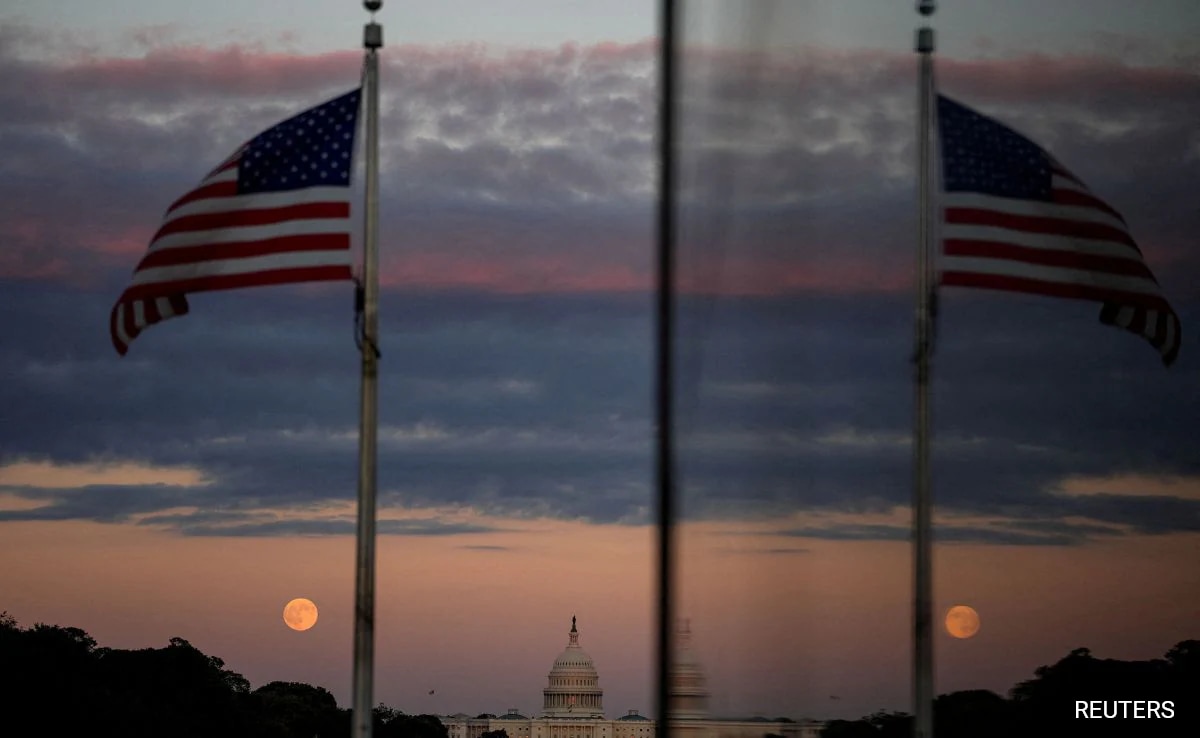
Democrats insist they will not reopen the government until subsidies are extended (Representational)
United States:
As the US government shutdown approaches its second month on Friday, the widespread impact is intensifying—federal employees are financially strained, food assistance programs are at risk, and millions of Americans are caught in the political standoff.
What began as a minor political dispute on October 1 has escalated into a major disruption of public services and an economic crisis, with federal offices closed and President Donald Trump's administration effectively paralyzed.
Republican legislators have cautioned that this weekend will mark a turning point when millions of Americans begin to fully experience the shutdown's consequences, particularly as unresolved disputes over healthcare funding and food stamp programs threaten to leave many hungry and financially vulnerable.
Republican House Whip Tom Emmer told Fox News, "Most people haven't noticed up until this week. Thanks to Donald Trump finding a way to pay our troops last month, that pain was delayed. But, starting this week... this is starting to become very real."
The core issue involves expired insurance subsidies that make healthcare accessible for over 20 million Americans. Healthcare premiums are expected to increase dramatically when the new enrollment period begins Saturday.
Democrats are refusing to vote for government reopening without securing these healthcare subsidies, while Republicans maintain they won't negotiate until government operations resume.
As Washington remains deadlocked, the shutdown is affecting Americans in fundamental ways—particularly their ability to put food on the table.
The Supplemental Nutrition Assistance Program (SNAP), which supports 42 million low-income Americans with grocery assistance, is projected to exhaust its funding this weekend.
A federal judge in Rhode Island temporarily intervened, ordering the administration on Friday to utilize emergency funds for food stamps during the shutdown, following legal action by charitable organizations.
However, the administration has contended it lacks legal authority to access those emergency funds, and despite the judicial ruling, it remains unclear whether Americans will receive their weekend SNAP benefits.
CNN reported asking Agriculture Secretary Brooke Rollins if the administration would comply with the judge's order to release funds, to which she replied: "We're looking at all the options."
The Special Supplemental Nutrition Program for Women, Infants, and Children (WIC) is also facing imminent funding issues, while "Head Start" programs providing nutritional and family support to 65,000 infants may begin closing from Saturday.
With uncertainty surrounding food assistance programs, communities are mobilizing to help vulnerable neighbors.
Kerry Chausmer, a 55-year-old Bethesda, Maryland resident, reported purchasing groceries for two local families in need, likely spending at least $200 of her own money.
"I think that you can judge a culture by how they help the people that need it most... We're failing, and I am honestly despondent and embarrassed to be an American," she told AFP.
The administration claims it has gathered sufficient funds to cover Friday's payroll for active-duty military personnel but acknowledges they could go unpaid by mid-November.
US air travel has also been significantly impacted, with New York area airports—John F. Kennedy, Newark Liberty, and LaGuardia—all operating under restrictions partly due to reduced staffing at control towers.
JFK implemented a ground stop until mid-afternoon, with delays ranging from 60 to 100 minutes. Newark passengers faced potential delays exceeding three hours, while LaGuardia travelers prepared for possible five-hour waits.
President Trump, whose influence shapes Republican strategy, has largely remained on the sidelines of the shutdown negotiations, though lawmakers from both parties hope he will eventually intervene to broker a healthcare subsidy agreement.
He reiterated his willingness to meet with Democrats regarding their demands—but only after the government reopens.
"We'll meet very quickly, but they have to open up the country," he told reporters. "It's their fault. Everything is their fault. It's so easily solved."
Source: https://www.ndtv.com/world-news/us-government-shutdown-us-federal-workers-broke-running-out-of-food-as-shutdown-enters-2nd-month-9554687