
Exiled Bangladesh Leader Sheikh Hasina: "Millions Will Boycott Election Without Awami League"
- Date & Time:
- |
- Views: 59
- |
- From: India News Bull
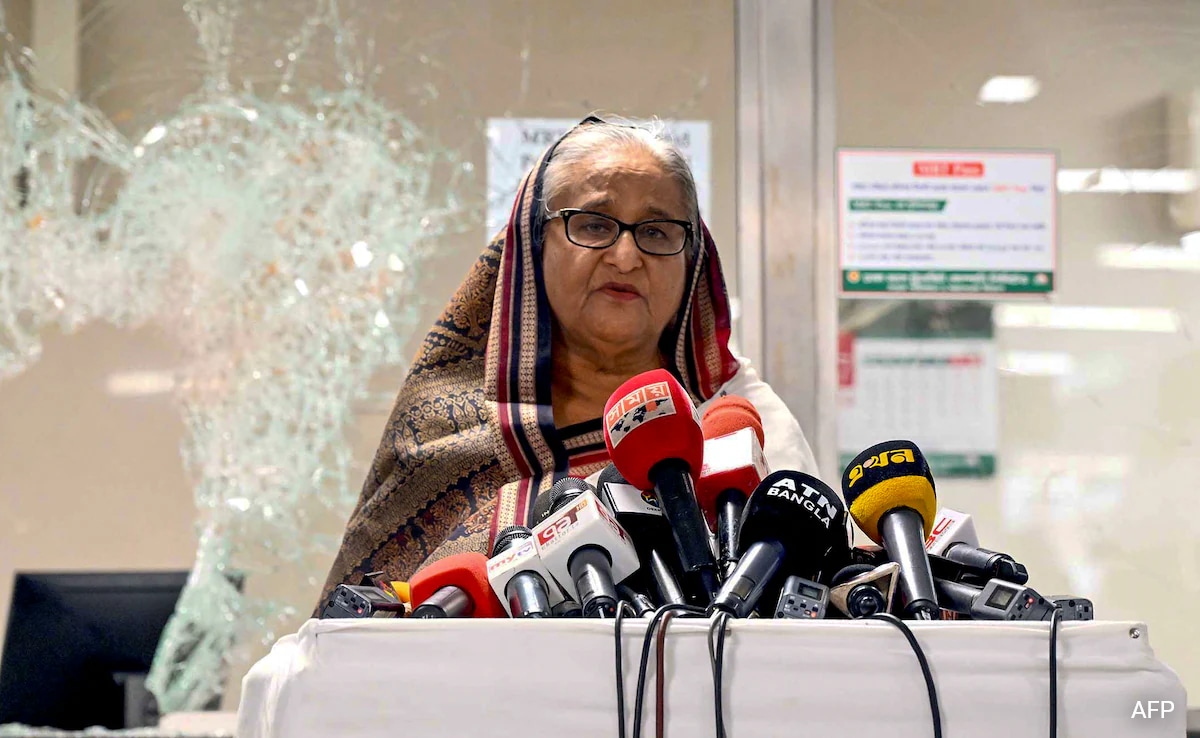
Sheikh Hasina has been residing in India since her abrupt departure from Bangladesh on August 5 last year following a nationwide uprising.
Former Bangladesh Prime Minister Sheikh Hasina revealed to Reuters on Wednesday that millions of her Awami League supporters will not participate in next year's national election, as the party has been barred from contesting.
Speaking from her exile in New Delhi, the 78-year-old leader stated she has no intention of returning to Bangladesh under any government formed after elections that exclude her party, preferring to remain in India where she sought refuge after the student-led protests that toppled her administration in August 2024.
Since Hasina's departure, Bangladesh has been governed by an interim administration led by Nobel peace laureate Muhammad Yunus, which has committed to holding elections in February next year.
"Banning the Awami League is both unjust and counterproductive," Hasina explained in her emailed responses to Reuters, marking her first media interaction since her dramatic fall from power after 15 consecutive years at Bangladesh's helm.
"Electoral legitimacy is essential for the next government. With millions of Awami League supporters likely to abstain from voting, the political system cannot function effectively when so many citizens are disenfranchised."
Bangladesh counts over 126 million registered voters. Historically, the political landscape has been dominated by the Awami League and the Bangladesh Nationalist Party, with the latter widely anticipated to emerge victorious in the upcoming election.
In May, Bangladesh's Election Commission suspended the Awami League's registration. Prior to this, the Yunus-led government had prohibited all activities of the party, citing national security concerns and ongoing war crimes investigations involving senior Awami League leaders.
"We aren't directing our voters to support alternative parties," Hasina remarked. "We remain hopeful that rationality will prevail, allowing us to participate in the electoral process."
She did not disclose whether she or representatives were engaged in any behind-the-scenes negotiations with Bangladeshi authorities regarding the Awami League's electoral participation.
Representatives for Yunus did not provide immediate responses to comment requests.
While credited with transforming Bangladesh's economy, Hasina faced accusations of human rights violations and suppressing opposition during her tenure. She secured a fourth consecutive term in 2024 in an election boycotted by the main opposition, whose principal leaders were either imprisoned or exiled.
Bangladesh's International Crimes Tribunal has completed proceedings against Hasina, who faces charges of crimes against humanity related to the violent suppression of student demonstrations in mid-2024.
According to United Nations reporting, the protests between July 15 and August 5, 2024, may have resulted in up to 1,400 fatalities and thousands of injuries—predominantly from security forces' gunfire—marking the worst violence in Bangladesh since its 1971 independence war.
Prosecutors further allege that she oversaw forced disappearances and torture of opposition activists through secret detention facilities operated by security agencies.
A verdict is scheduled for November 13.
Hasina has denied these allegations, asserting she was not personally involved in the authorization of lethal force or other alleged crimes.
"These proceedings represent politically motivated theater," she stated. "They've been initiated by illegitimate courts with predetermined guilty verdicts. I was largely denied proper notice or any meaningful opportunity to defend myself."
Despite the ongoing political turbulence, Hasina expressed confidence that the Awami League would eventually resume its role in Bangladesh's political future—either in government or opposition—and emphasized that her family need not lead the party.
Her son and adviser, Sajeeb Wazed, currently residing in Washington, indicated to Reuters last year that he might consider assuming party leadership if requested.
"This transcends me or my family," Hasina said. "Bangladesh's desired future requires a restoration of constitutional governance and political stability. No individual or family singularly determines our nation's path forward."
Hasina, whose father and three brothers were assassinated during a 1975 military coup while she and her sister were abroad, described living freely in Delhi but maintaining vigilance given her family's violent history.
Several months ago, a Reuters journalist observed Hasina taking a quiet walk through Delhi's historic Lodhi Garden, accompanied by what appeared to be two personal security officers. She acknowledged passersby with subtle nods as some recognized her.
"Naturally, I would cherish returning home, provided the government there was legitimate, the constitution was being upheld, and genuine law and order prevailed," she remarked.
Hasina's departure triggered targeted violence against Awami League workers, though streets have since remained relatively peaceful. However, clashes erupted earlier this month during the signing ceremony for a state reform charter.
Source: https://www.ndtv.com/world-news/living-freely-in-delhi-but-would-love-to-return-home-sheikh-hasina-9539581