
Bangladesh Referendum Controversy: How Pre-Election Vote Proposals Threaten February Election Timeline
- Date & Time:
- |
- Views: 73
- |
- From: India News Bull
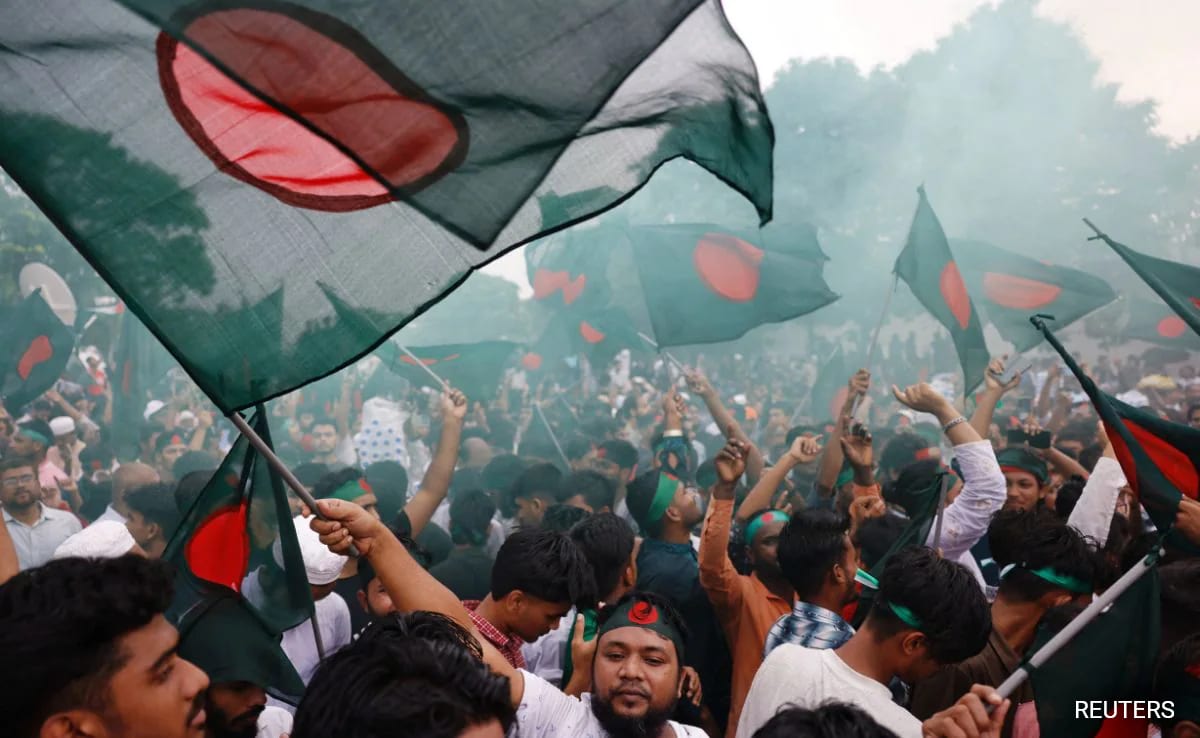
While Interim Government Chief Adviser Muhammad Yunus has scheduled elections for February, controversy has erupted over proposals for a referendum to precede the electoral process.
New Delhi:
The proposal for a referendum prior to Bangladesh's elections might become a significant obstacle to the electoral timeline. Following an official recommendation supporting this referendum, the issue is expected to dominate discussions about Bangladesh's political future.
The National Consensus Commission, comprised of seven members appointed by the Interim Government to evaluate recommendations from six reform commissions, has proposed conducting a referendum to implement the July National Charter. According to the commission, this referendum could be held either before the parliamentary election or simultaneously on election day.
The July Charter represents a political declaration based on consensus between political parties and the interim government regarding constitutional, electoral, and administrative reforms intended to guide Bangladesh's future direction.
Muhammad Yunus, Chief Adviser of the Interim Government, confirmed on social media platform X: "The National Consensus Commission has submitted its recommendations on the implementation of the July National Charter to the Chief Adviser of the Interim Government."
Salahuddin Ahmed, representing the Bangladesh Nationalist Party (BNP) - the primary opposition during Sheikh Hasina's administration - criticized the process, saying, "A new element has been introduced here-an idea under the name of a Constitutional Reform Council, which was never on the table or discussed in the National Consensus Commission before. No consensus was reached on this matter."
Ahmed further expressed his concerns: "Till now we used to think the commission was playing the role of a referee or playing the role of a facilitator. Yesterday they submitted recommendations to the interim government, and one of the signatories is the chief adviser himself as the chief of the commission, and therefore it has the endorsement of the government. We have never seen referees score goals."
"During the discussions I felt that the commission, the government, and some other parties are one side and I am the opposition player," he added.
The BNP, widely considered the frontrunner in the upcoming February elections, opposes holding a referendum before the polls. The party has rejected the National Consensus Commission's recommendation, arguing that such a move would further divide the country.
Jamaat-E-Islami Bangladesh, a hardline Islamist organization previously banned under Hasina's government through anti-terror legislation, strongly advocates for a pre-election referendum, preferably in November. The party has formally raised this demand in meetings with the election commission.
Jamaat maintains that holding a referendum concurrently with general elections would not provide voters adequate time to comprehend proposed reforms and could increase the risk of violence at polling stations.
Critics of Muhammad Yunus claim he receives support from hardline Islamic groups like Jamaat-E-Islami Bangladesh and is accommodating their interests to extend his tenure in power. Though Yunus has committed to February elections, the controversy centers on whether a referendum should precede these elections as recommended by the commission.
Opponents of the referendum argue that once a democratically elected government takes office through elections, that government could handle the implementation of reforms without requiring a separate referendum.
Meanwhile, Yunus recently chaired a high-level meeting focused on election preparations at the State Guest House Jamuna on Wednesday.
Source: https://www.ndtv.com/world-news/muhammad-yunus-bangladesh-elections-why-talks-of-a-referendum-may-hinder-elections-in-bangladesh-9536883