
Pakistan-Afghanistan Peace Talks Collapse Over US Drone Dispute: Diplomatic Crisis Unfolds in Istanbul
- Date & Time:
- |
- Views: 55
- |
- From: India News Bull
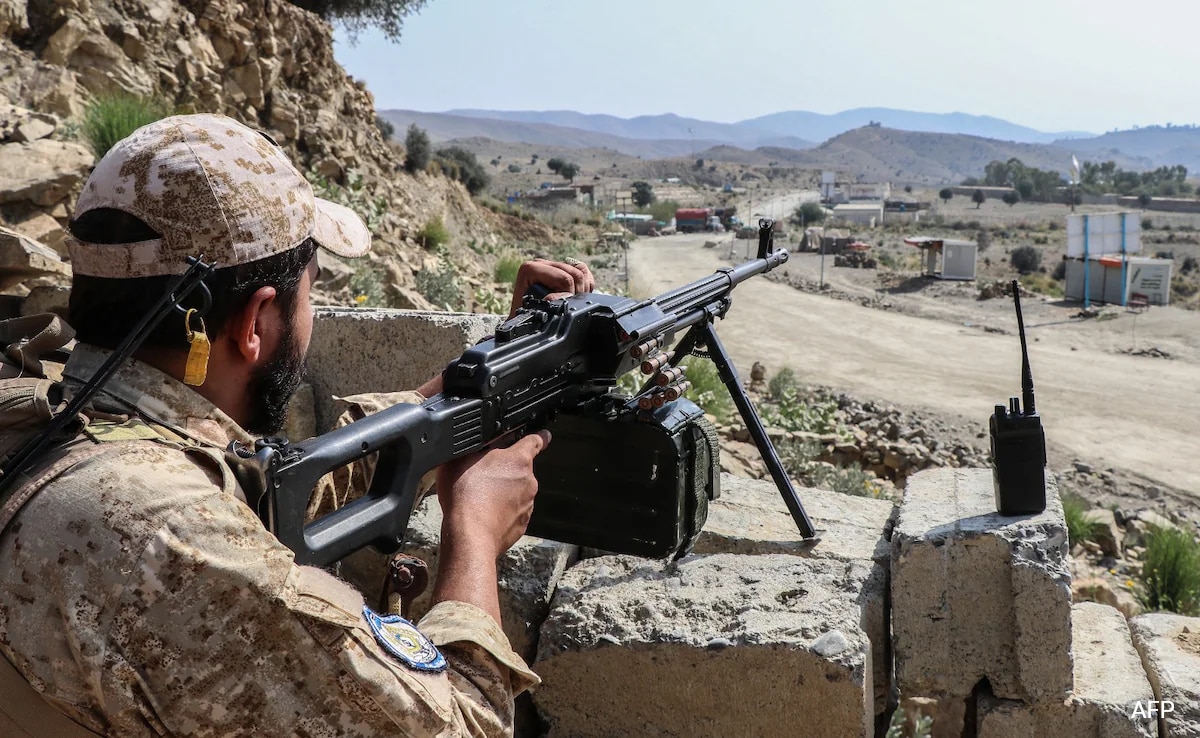
A Taliban security personnel stands guard along a road between Afghanistan and Pakistan in Gurbuz
The highly anticipated peace negotiations between Pakistan and the Afghan Taliban in Istanbul have dramatically collapsed, sending bilateral relations to unprecedented lows and leaving Qatari and Turkish mediators astonished by the breakdown, according to sources who spoke to NDTV. What was intended as a progressive step toward regional stability instead revealed profound mistrust, disunity, and conflicting agendas, particularly regarding US drone operations and cross-border terrorism concerns.
The Istanbul dialogue began with cautious optimism, according to multiple diplomatic sources. With the agenda nearly finalized and only one key issue remaining unresolved, the talks unexpectedly disintegrated. Observers reported that the Pakistani delegation's conduct deteriorated rapidly, characterized by disorganization, heated exchanges, and disrespectful behavior toward both their Afghan counterparts and the mediators.
The pivotal moment triggering the collapse appears to have been Pakistan's unprecedented public acknowledgment of an agreement with the United States permitting drone operations from Pakistani territory. Pakistani officials reportedly insisted this arrangement "cannot be broken," provoking strong opposition from the Afghan delegation, which demanded assurances that Pakistan would prevent US drones from violating Afghan airspace.
When Afghan representatives requested non-interference guarantees, Pakistan initially seemed receptive. However, following an "unknown phone call" received by senior officials from Islamabad, Pakistani negotiators abruptly reversed their position, declaring they had no control over American drones or Islamic State (Daesh) activities. This sudden reversal effectively derailed the entire meeting, according to sources.
The Qatari and Turkish mediators, having invested substantial diplomatic resources in facilitating these talks, were reportedly shocked by the Pakistani delegation's conduct. One observer described the situation as "unprecedented in diplomatic circles," with Pakistani representatives "losing composure and resorting to insults." The breakdown was so severe that one source characterized it as "sabotage by design."
The Pakistani delegation head, identified as Major General Shahab Aslam, who leads the ISI's Special Operations Division, reportedly demanded that the Afghan Taliban "summon and control" all violent groups operating against Pakistan, including the Tehrik-i-Taliban Pakistan (TTP). The Afghan representatives countered forcefully, noting that TTP members are Pakistani nationals, not Afghans, and that it exceeded Kabul's authority to "control Pakistan's own citizens."
Major General Aslam has previously been implicated in coordinating the Pahalgam terror attack by Pakistan's Lashkar e Tayyiba in India's Jammu & Kashmir, which resulted in 26 civilian casualties.
The Afghan representatives maintained their commitment to preventing attacks on Pakistan originating from Afghan territory, reiterating the Islamic Emirate's position that the TTP issue constitutes Pakistan's internal matter. In exchange, they requested Pakistan guarantee Afghan airspace integrity and cease hosting or supporting US drone missions.
Sources report that tensions escalated when Major General Aslam dismissed drone concerns as "off the table." The Qatari ambassador reportedly intervened, emphasizing that Afghan concerns deserved attention. In a tense exchange, when the Pakistani general noted that American drones operate from a US airbase in Qatar and questioned why Doha did not halt them, the ambassador responded, "We have an agreement with the US." Major General Aslam's reply—"So do we"—effectively confirmed Pakistan's formal cooperation with US drone operations.
The Istanbul talks' failure has not only frozen the peace process but heightened the risk of military confrontation along the Afghanistan-Pakistan border. Afghan sources have warned that future Pakistani strikes will trigger "reciprocal action," suggesting that if Afghan territory faces bombardment, "Islamabad will be targeted."
The Afghan delegation maintains they participated in the talks "in good faith," while accusing Pakistan of using the platform to deflect blame and pursue unrealistic concessions. Pakistan's apparent internal divisions, particularly between civilian officials in Khyber Pakhtunkhwa and the military establishment, seem to have undermined Islamabad's negotiating consistency.
Analysts note that Pakistan's domestic instability, contentious relationship with Washington, and controversial drone deployments against Afghan and Pashtun civilians have intensified mutual distrust.
The Istanbul breakdown represents not merely a diplomatic failure but a significant setback for regional stability. These talks had been viewed as a rare opportunity to reset relations between the neighboring countries, which share an extensive, porous, and frequently violent border. Instead, the meeting concluded in acrimony and mutual accusations, leaving Pakistan-Afghanistan relations more uncertain than ever.
Currently, dialogue appears suspended as both sides retreat into hardened positions, while mediators, caught in the diplomatic crossfire, question whether peace between Islamabad and Kabul was ever truly achievable.
Source: https://www.ndtv.com/world-news/pakistan-afghanistan-peace-talks-fail-amid-us-drone-dispute-diplomatic-meltdown-in-istanbul-9533115