
Pakistan-Afghanistan Peace Talks Stall in Istanbul Despite Turkish Mediation Efforts
- Date & Time:
- |
- Views: 57
- |
- From: India News Bull
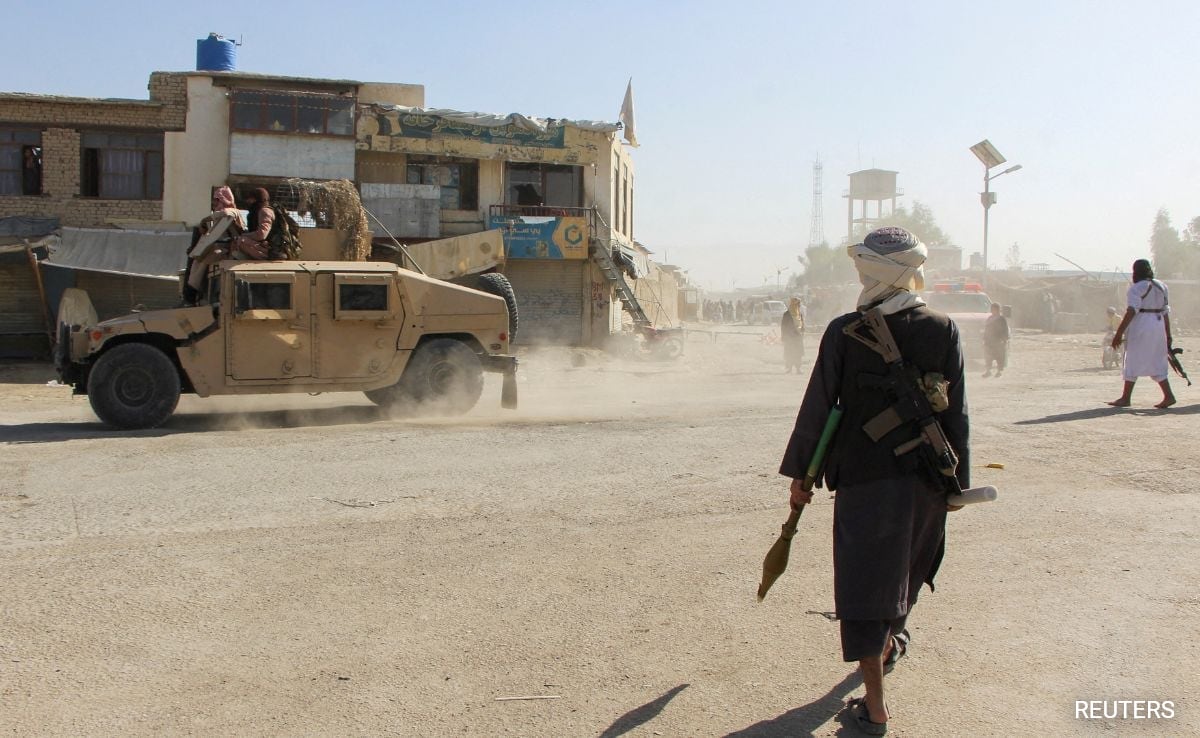
A deadlock has emerged in the peace talks in Istanbul.
Ankara, Turkey:
After three days of negotiations, peace talks between Pakistan and Afghanistan have reached an impasse in Istanbul. On Tuesday, state media from both countries attributed blame to the other side for failing to achieve a resolution, while Turkish efforts continued to break the deadlock.
The Istanbul negotiations are part of a wider diplomatic initiative to alleviate months of escalating tension between Islamabad and Kabul regarding cross-border attacks and militant safe havens—issues that have created friction in bilateral relations since the Taliban regained power in Afghanistan four years ago.
Delegations from both neighboring countries remain in Turkey, though it was uncertain whether a fourth day of discussions would proceed.
Pakistan Television reported early Tuesday that Turkish officials and representatives from several other countries are working to maintain the ceasefire established on October 19 in Doha following the first round of negotiations. The agreement came after deadly cross-border clashes that resulted in numerous casualties among soldiers, militants, and civilians on both sides.
Three Pakistani security officials with direct knowledge of the negotiations informed The Associated Press about the deadlock in Istanbul. They cited Kabul's reluctance to accept what they described as Pakistan's logical and legitimate demands for guarantees that Afghan territory would not be used against Pakistan.
These officials spoke anonymously as they lacked authorization to communicate with media. They indicated that the host country was attempting to resolve the impasse to enable the final round of talks to resume promptly.
According to the Pakistani officials, the Taliban delegation appeared "not fully willing" to accept Pakistan's proposals and continually sought guidance from Kabul before making decisions.
There was no immediate response from Kabul regarding these claims, which were reiterated by Pakistan Television on Tuesday.
Afghanistan's state-controlled media RTA made similar allegations against Pakistan, stating that Kabul "made every effort to hold constructive talks," but that the "Pakistani side does not seem to have this intention."
While the latest round of talks was underway in Turkey, U.S. President Donald Trump pledged on Sunday to help resolve the crisis between the two neighbors quickly.
The recent fighting prompted Qatar to host the initial round of talks, which produced a ceasefire that both sides acknowledge is still holding despite the stalemate in Istanbul.
Neither side has released an official statement regarding the status of the negotiations.
Islamabad-based security analyst Syed Mohammad Ali suggested on Tuesday that Afghanistan's strategy during the talks was to decelerate the diplomatic process and redirect attention to other bilateral issues. He noted Afghanistan's "reluctance to give clear, unambiguous and internationally verifiable commitment to act against Afghanistan-based Pakistani Taliban and other militants."
In recent years, Pakistan has experienced an increase in militant attacks, predominantly attributed to the Pakistani Taliban, or Tehrik-e-Taliban Pakistan, an organization closely allied with the Taliban in Afghanistan. Islamabad contends that the group has been sheltered in Afghanistan since the Taliban assumed power in 2021.
Pakistani authorities have stated that their military targeted hideouts of the TTP in Afghanistan earlier this month. This action triggered deadly confrontations between the two countries until Qatar brokered the ceasefire.
Nevertheless, all border crossings between the two nations have remained closed for over two weeks, with transport vehicles carrying goods stranded and waiting for the reopening of key trade routes.
Source: https://www.ndtv.com/world-news/pakistan-afghanistan-peace-talks-hosted-by-turkey-hit-impasse-in-istanbul-9529348