
Strategic Diplomacy: How Japan's Prime Minister Takaichi Strengthened US Alliance During Trump's Visit
- Date & Time:
- |
- Views: 54
- |
- From: India News Bull
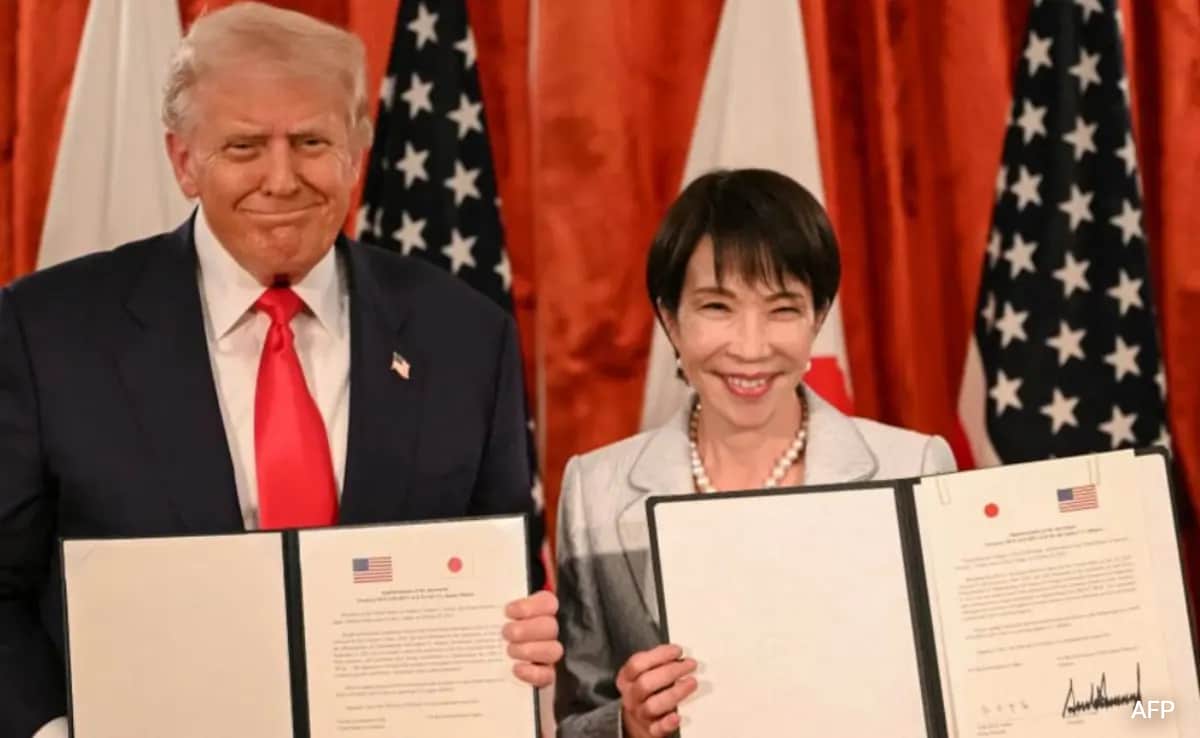
Tokyo secured a vital agreement with Washington regarding critical minerals supplies.
Japan deployed comprehensive diplomatic efforts during US President Donald Trump's recent visit - his first meeting with newly appointed Prime Minister Sanae Takaichi.
The presidential visit represented a significant diplomatic challenge for Takaichi, who assumed office merely a week prior.
From Tokyo's commitments to substantially increase defense spending to supporting Trump's Nobel Peace Prize nomination, here's how Takaichi strategically engaged with the unpredictable US leader:
Takaichi expressed admiration during their meeting, stating, "I was very impressed and inspired by you," while advocating for "a new golden age of the Japan-US alliance."
During the visit, Takaichi formally announced her intention to nominate Trump for a Nobel Peace Prize.
Since beginning his second White House term in January, Trump has consistently maintained that his conflict resolution efforts merit the prestigious award.
Analysts generally consider Trump's claims about fostering global peace to be considerably overstated.
Nevertheless, Tokyo enthusiastically supported the US leader's aspirations to join laureates like Barack Obama and Maria Ressa, commending Trump's mediation between Thailand and Cambodia and his "unprecedented historic achievement" regarding Gaza negotiations.
Summit meal selections typically involve careful diplomatic considerations, and Tokyo's choices skillfully combined American products with Japanese ingredients.
The first course featured "US rice cheese risotto with chicken," followed by New York strip steak with gravy accompanied by vegetables from Nara, Takaichi's hometown in southern Japan.
While not traditional Japanese cuisine, the menu was strategically designed to support Trump's promotion of American agricultural exports and his commitment to US farmers, a crucial constituency.
Trump has long criticized Asian allies including Japan for insufficient defense spending and has urged increased financial contributions for US military presence in their territories.
Shortly before Trump's arrival, Takaichi informed Japan's parliament that Tokyo would achieve its target of allocating two percent of GDP to defense during the current fiscal year—two years ahead of schedule.
Japan had previously committed to acquiring counter-strike capabilities from the United States, including Tomahawk cruise missiles—part of an agreement finalized in January 2024.
Tokyo also established a key agreement with Washington focused on "securing" critical minerals and rare earths supplies.
Under this arrangement, both nations will "jointly identify projects of interest to address gaps in supply chains for critical minerals and rare earths."
This initiative aligns with America's efforts to increase access to critical minerals while China tightens control over rare earths.
China, the world's second-largest economy, maintains virtual monopoly control over rare earth metals, which are essential components in numerous products ranging from household appliances to vehicles, energy systems, and weapons.
An additional cooperation agreement regarding shipbuilding was expected to be signed Tuesday between Tokyo and Washington, addressing a sector where Japan and South Korea seek to challenge Chinese dominance.
Takaichi possessed another strategic advantage—her close association with her mentor, the late Prime Minister Shinzo Abe, who was assassinated in 2022 and had developed a strong relationship with Trump during his first administration.
Meeting Trump, she expressed gratitude for his "enduring friendship" with Abe.
On Tuesday, she presented Trump with a golf putter previously used by the late premier.
Golf represented a shared passion between Trump and Abe, who frequently met on golf courses.
Japanese media reported that the US president was scheduled to meet Abe's widow on Thursday.
According to local media reports, Tokyo also planned to present gold-plated golf balls as another gift.
Source: https://www.ndtv.com/world-news/beef-defence-deals-and-rare-earths-how-japans-new-leader-wooed-trump-9528859